
 Save to Pinterest
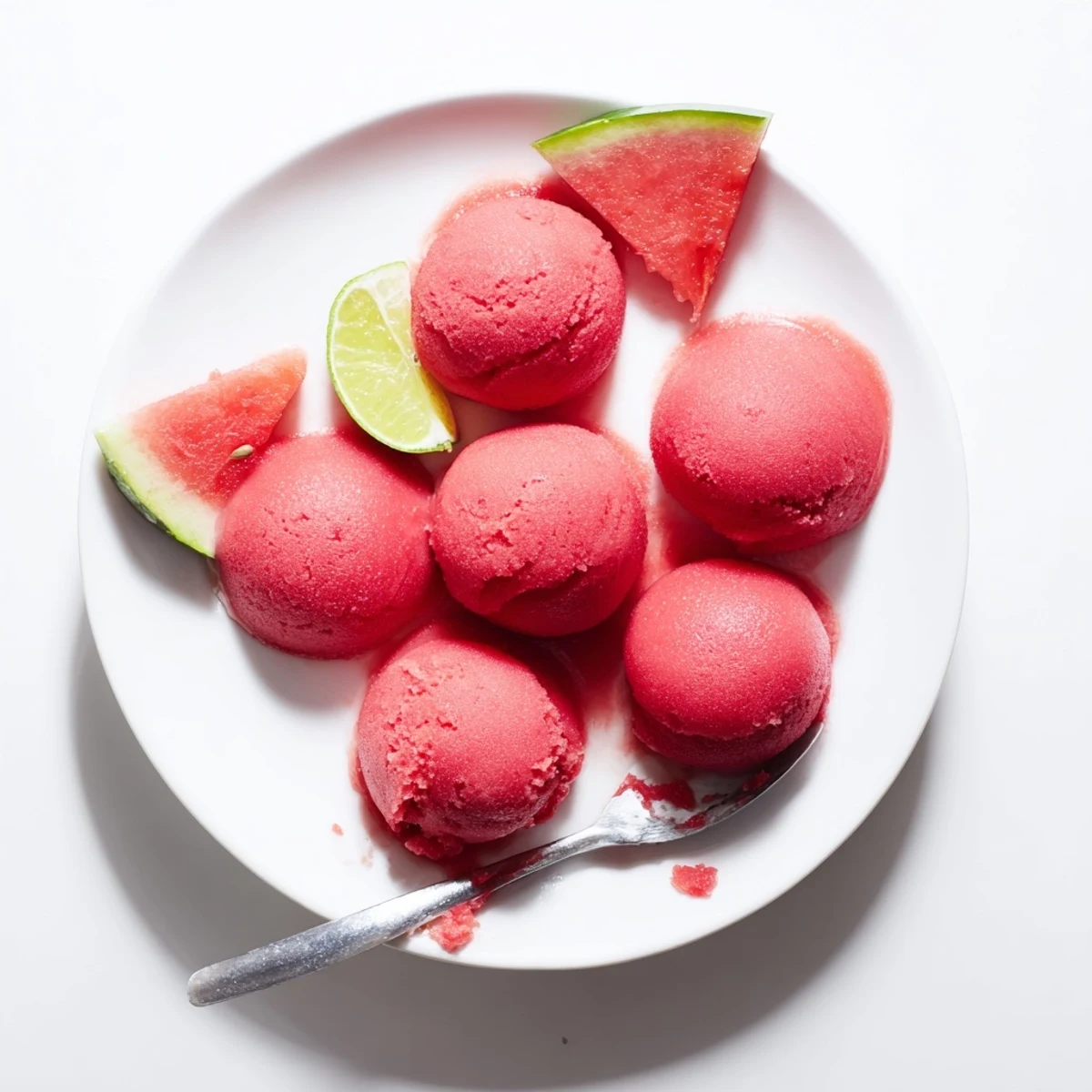
 This vibrant frozen dessert transforms fresh watermelon into a silky-smooth treat that's perfect for warm weather. The natural sweetness of ripe melon pairs beautifully with bright lime juice, creating a balanced flavor that's neither too sweet nor too tart. What makes this especially appealing is how simple it is to prepare—just blend, strain, freeze, and stir occasionally for the perfect texture. The result is a refreshing finale to any meal or a cooling afternoon snack that everyone will love. Plus, it's naturally vegan, gluten-free, and dairy-free, making it inclusive for various dietary preferences.
Last July, my air conditioning died during a heatwave and a friend dropped off a massive watermelon from her father's garden. We ate so much of it straight from the rind that I had to figure out something creative to do with the remaining chunks before they turned to mush in my sweltering kitchen.
I brought a batch to a backyard potluck that same week and watched my friends skeptical expressions melt away when they took their first bites. Someone actually asked if I had hidden some fancy ice cream maker in my tiny apartment.
Ingredients
- Seedless watermelon: The riper and heavier the melon, the more intense your sorbet will taste so give it a thump at the market
- Granulated sugar: Essential for proper freezing consistency because the sugar molecules prevent ice crystals from forming large chunks
- Lime juice: Freshly squeezed is non negotiable here as bottled juice has a strange metallic aftertaste that ruins the delicate watermelon flavor
- Salt: Just enough to wake up all the flavors and make the watermelon taste more like itself
Instructions
- Blend the watermelon:
- Toss those cubes into your blender and let it run until you have a completely smooth hot pink liquid that looks like something from a cartoon.
- Strain the puree:
- Pour everything through a fine mesh sieve and use the back of a spoon to push through as much juice as possible while leaving the fibrous pulp behind.
- Mix in the sweetness:
- Whisk in your sugar, lime juice, and that crucial pinch of salt until you cannot see any granules on the bottom of the bowl.
- First freeze:
- Pour the mixture into a shallow dish because more surface area means faster freezing and more even crystals.
- The stirring ritual:
- Every thirty minutes, attack the freezing mixture with a fork and scrape vigorously to break up ice crystals.
- Repeat and wait:
- Keep up the stirring routine for about three hours until you have a fluffy scoopable consistency instead of a solid block.
- Final serve:
- Let it soften for a few minutes on the counter if it has been in the freezer longer than four hours.
 Save to Pinterest
 My niece now requests this for her birthday instead of cake and I have started keeping seedless watermelon cubes in the freezer just in case she decides to visit on short notice.
Serving Suggestions That Work
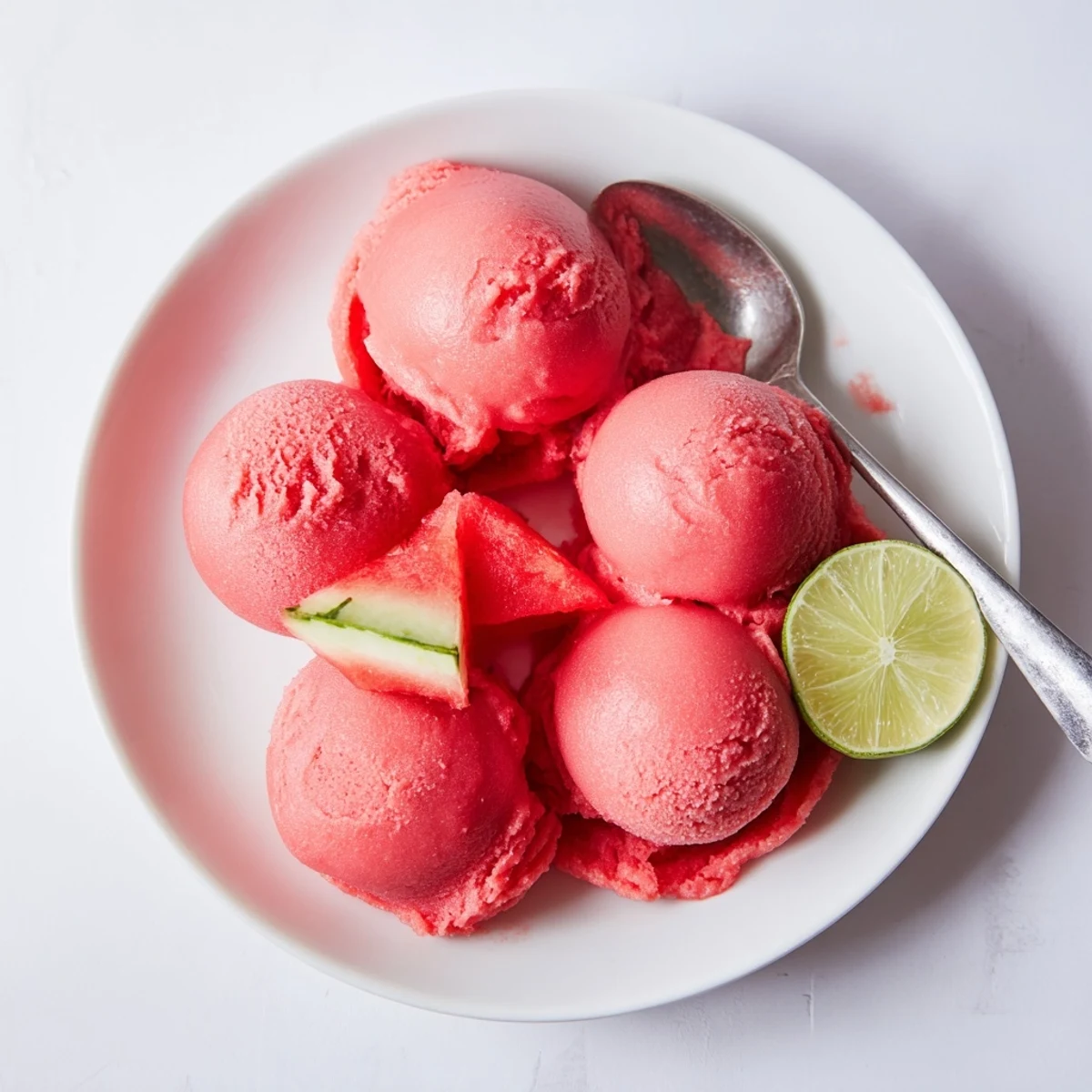
Scoop into chilled bowls and garnish with tiny mint leaves or thin lime wheels for something that looks like it came from a restaurant kitchen. A splash of prosecco over the top turns it into an adult dessert that feels absolutely celebratory.
Making It Ahead
This keeps beautifully in the freezer for up to two weeks though the texture is best within the first week. Cover the surface directly with parchment paper to prevent freezer burn and that strange frozen flavor that sometimes develops.
Flavor Variations
Stir in a handful of fresh basil leaves with the lime juice for an unexpected herbal note that somehow works perfectly. A splash of coconut milk creates a creamier version while a teaspoon of grated ginger adds a warming kick that plays beautifully against the cold sweetness.
- Mint leaves should be added in the last freezing stage to prevent them from turning brown
- A splash of vodka helps keep the sorbet softer if you plan to freeze it for several days
- Try pairing it with sliced fresh strawberries for a simple but stunning dessert presentation
 Save to Pinterest
 There is something deeply satisfying about turning the simplest summer fruit into something that feels like a proper dessert without turning on your oven once.
Recipe Questions & Answers
- → How do I know when my watermelon is ripe enough for sorbet?
-
Look for a watermelon that feels heavy for its size and has a creamy yellow spot where it rested on the ground. When you tap it, you should hear a deep hollow sound. The flesh should be deep red and fragrant. Ripe watermelon will be naturally sweet, reducing the amount of added sugar needed in your sorbet.
- → Can I make this sorbet without an ice cream maker?
-
Absolutely! This method uses the fork-stirring technique, which works perfectly well. The key is freezing in a shallow dish and stirring every 30 minutes for the first few hours. This breaks up ice crystals and creates that smooth, scoopable texture without needing any special equipment beyond a blender and freezer-safe container.
- → How long can I store homemade watermelon sorbet?
-
Your sorbet will keep well in the freezer for up to 2 weeks if stored in an airtight container. For best texture and flavor, enjoy within the first week. If it becomes too hard after extended freezing, simply let it sit at room temperature for 5-10 minutes before scooping to soften slightly.
- → Can I use honey or maple syrup instead of granulated sugar?
-
You can substitute liquid sweeteners, but keep in mind they may affect the freezing texture. Honey works well and adds a subtle floral note, while maple syrup introduces its distinct flavor. Start with less than the sugar amount called for since these sweeteners are more concentrated, and adjust to taste while blending.
- → What other fruits work well with this simple sorbet method?
-
This technique works beautifully with many juicy fruits like cantaloupe, honeydew, strawberries, mangoes, and peaches. The key is using fruit with high water content and natural sweetness. Simply follow the same process of blending, straining if needed, sweetening to taste, and freezing with periodic stirring.
- → Why strain the watermelon puree before freezing?
-
Straining through a fine-mesh sieve removes any fibrous pulp or remaining bits of flesh, resulting in an exceptionally smooth and silky texture. If you don't mind a bit of texture, you can skip this step, but straining makes the sorbet feel more professional and refined on the palate.