
 Save to Pinterest
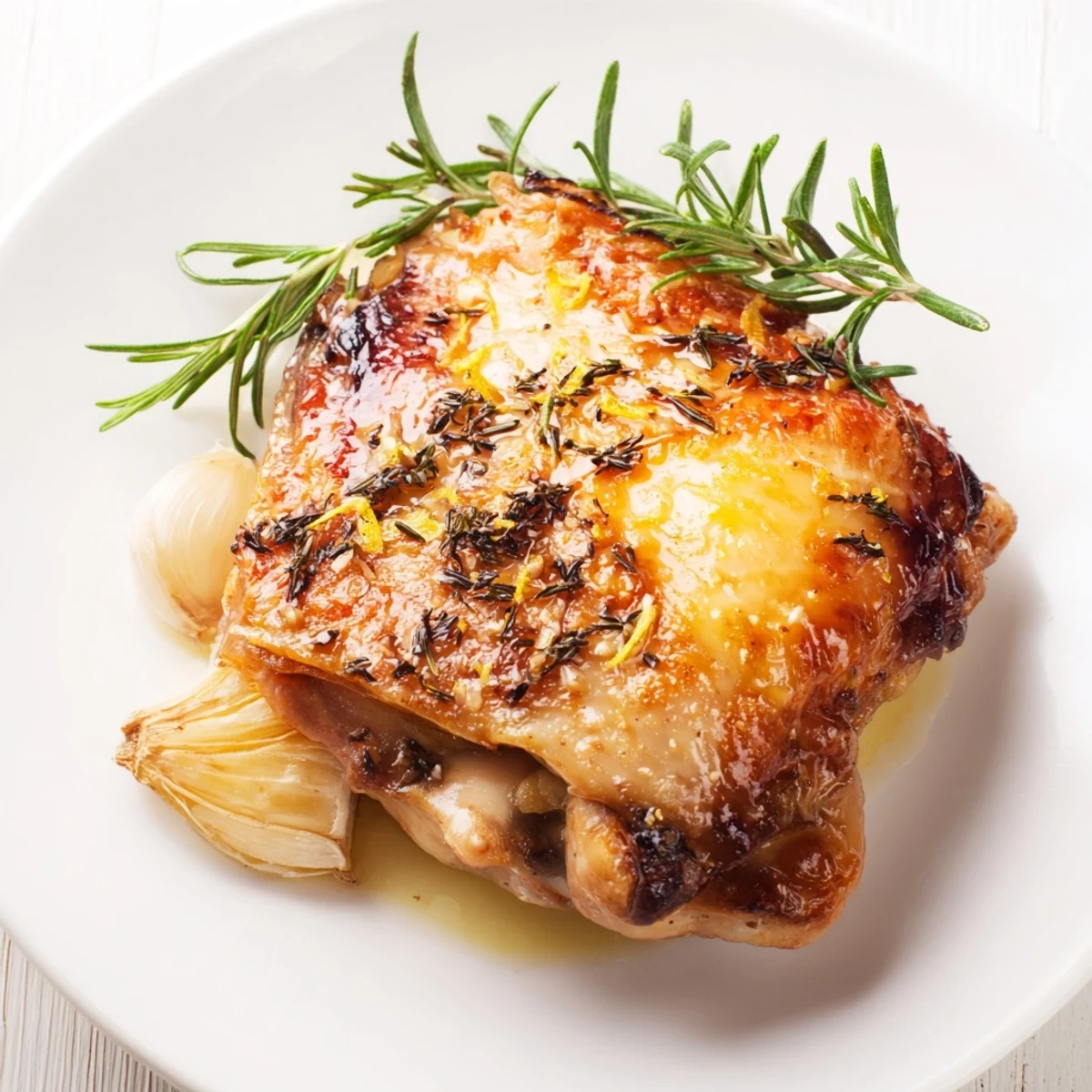
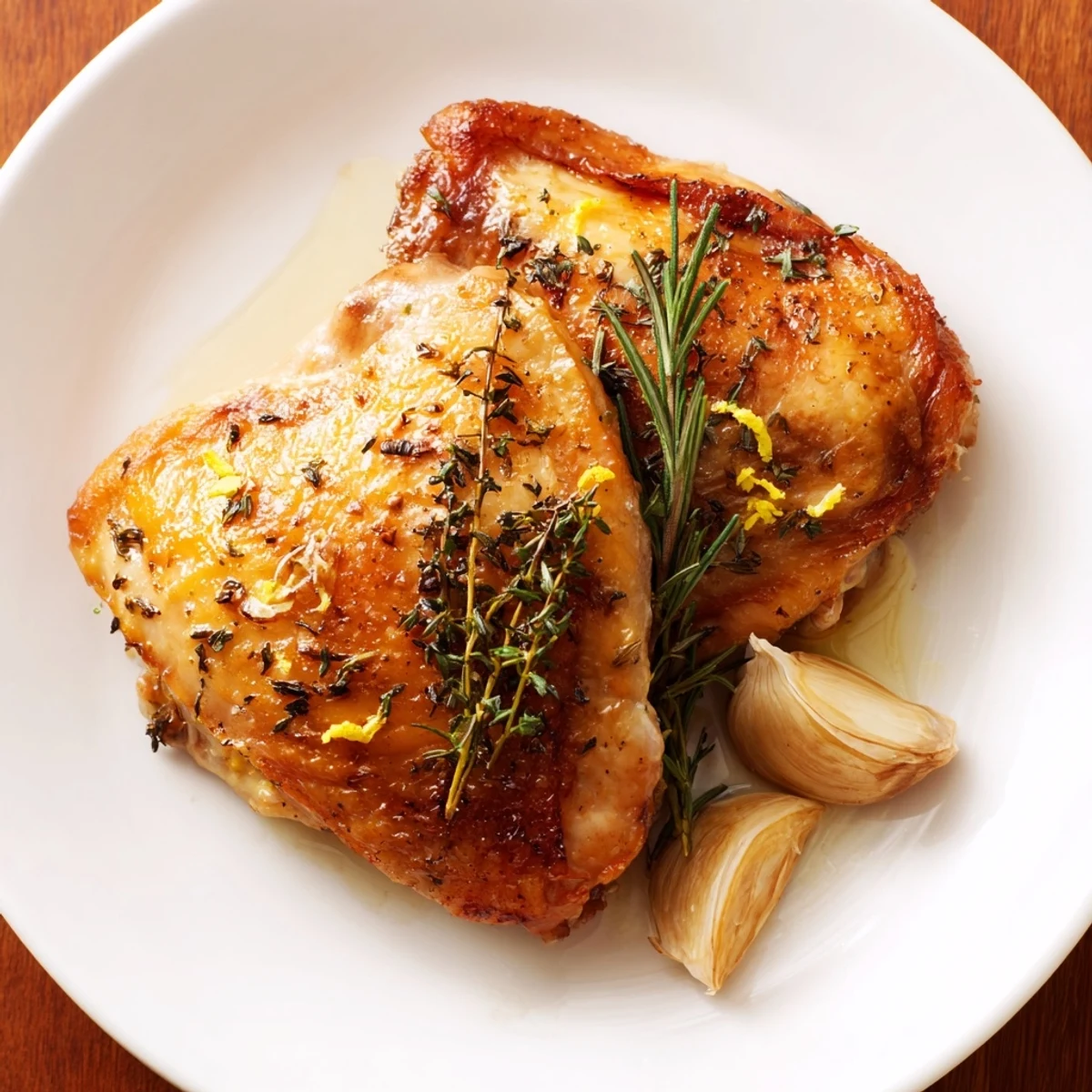
 This dish features a whole chicken roasted to perfection, infused with fresh herbs and bright lemon, creating a crisp exterior and juicy interior. Aromatic herbs like rosemary, thyme, and parsley combine with garlic and olive oil to elevate the meat’s natural flavors. Roasting vegetables like onions and carrots alongside add depth and serve as a natural rack. Resting the chicken after cooking allows the juices to redistribute, ensuring every slice is moist and flavorful.
Simple seasoning with kosher salt and black pepper enhances the savory profile, while careful preparation helps achieve extra crisp skin. This wholesome, gluten-free dish is ideal for comforting meals, offering a classic European taste with fresh, natural ingredients.
The smell of rosemary and lemon wafting through the house on a Sunday afternoon still takes me back to my tiny first apartment, where a cheap roasting pan from the discount store became my most trusted kitchen companion. My roommate and I would take turns playing music while the chicken cooked, dancing around the narrow kitchen and checking the oven through the cloudy glass door every ten minutes. Those simple roast chickens taught me that good cooking doesn't require fancy equipment or techniques, just patience and the right ingredients.
Last winter, during that relentless snowstorm that kept us inside for three days straight, I made this chicken for my neighbors who were trapped without power. We huddled around my oven, watching the skin transform from pale pink to golden brown while the kids pressed their faces against the glass, mesmerized by the roasting magic. Something about a whole roasted chicken turns strangers into family faster than anything else I know.
Ingredients
- Whole chicken: Bring it to room temperature before cooking for even roasting and better seasoning penetration
- Lemon: Fresh lemon inside the cavity steams the meat from within while imparting subtle citrus brightness
- Fresh rosemary, thyme, and parsley: These woody herbs can withstand high roasting temperatures without turning bitter
- Garlic cloves: Leave them smashed but not minced so they mellow and sweeten as they roast
- Olive oil: Helps the skin crisp up and carries the seasoning evenly across every surface
- Kosher salt: The coarse crystals create tiny crusty pockets of flavor that table salt simply cannot achieve
- Onion, carrots, and celery: These vegetables become a natural roasting rack and eventual base for pan gravy
Instructions
- Get your oven ready:
- Preheat to 425°F because that initial blast of high heat is what creates the coveted crispy skin everyone fights over
- Prep your chicken:
- Pat it completely dry with paper towels since any surface moisture will steam the skin instead of crisping it
- Stuff the cavity:
- Fill the inside with lemon halves, most of the herbs, and all those smashed garlic cloves so the chicken seasons itself from within
- Secure the bird:
- Tuck the wings underneath and tie the legs together with kitchen twine so everything roasts evenly and looks presentable
- Season generously:
- Rub olive oil everywhere the skin shows, then sprinkle salt and pepper like you mean it because underseasoned chicken is a kitchen tragedy
- Create the roasting bed:
- Scatter those onion quarters, carrot chunks, and celery pieces underneath so they catch all the delicious drippings
- Add final herb touches:
- Scatter the remaining rosemary and thyme sprigs over the top so their oils infuse the skin as it roasts
- Roast until perfect:
- Cook for about 1 hour 15 minutes until a thermometer hits 165°F in the thickest part of the thigh
- Rest before carving:
- Let the chicken rest under foil for 10 minutes so the juices redistribute instead of running all over your cutting board
 Save to Pinterest
 My grandmother insisted that letting the chicken rest was the most important step, calling it the moment when the cooking finishes and the eating begins. She would hover over the cutting board, shooing everyone away with her wooden spoon while the chicken sat under its foil tent, explaining that patience at this stage separates good cooks from great ones. Now I find myself doing the same dance, guarding that resting chicken like it contains the secrets to the universe.
Choosing The Right Bird
After years of buying whatever chicken was on sale, I learned that air chilled chickens taste noticeably better and produce crisper skin than water chilled ones. The extra dollar or two makes a genuine difference in both texture and flavor, plus you're not paying for water weight that evaporates in the oven. Small farms often produce chickens with more developed flavor and better fat distribution, so check your local farmers market if budget allows.
Mastering The Crispy Skin
The secret restaurant chefs won't tell you is that salt needs time to work its magic into the skin and meat, so seasoning at least an hour ahead or even overnight transforms everything. Some cooks swear by a light dusting of baking powder blended into the salt, which alters the skin's pH level and promotes extra browning. Whatever method you choose, the real key is ensuring the skin is absolutely dry before it hits the hot oven.
Building Flavor Layers
Think about seasoning in layers rather than dumping everything on at once for more complex flavor throughout every bite. The aromatics inside the cavity steam the meat with subtle perfume while the exterior rub creates that beautiful crust everyone craves. Those roasting vegetables underneath aren't just garnish, they're becoming deeply flavored by the chicken drippings and can be served alongside or pureed into sauce.
- Slide pats of butter under the skin of the breast for extra richness and insurance against dryness
- Add a splash of white wine to the pan during the last 20 minutes for instant pan sauce base
- Save the pan drippings and roasted vegetables to make gravy the next day
 Save to Pinterest
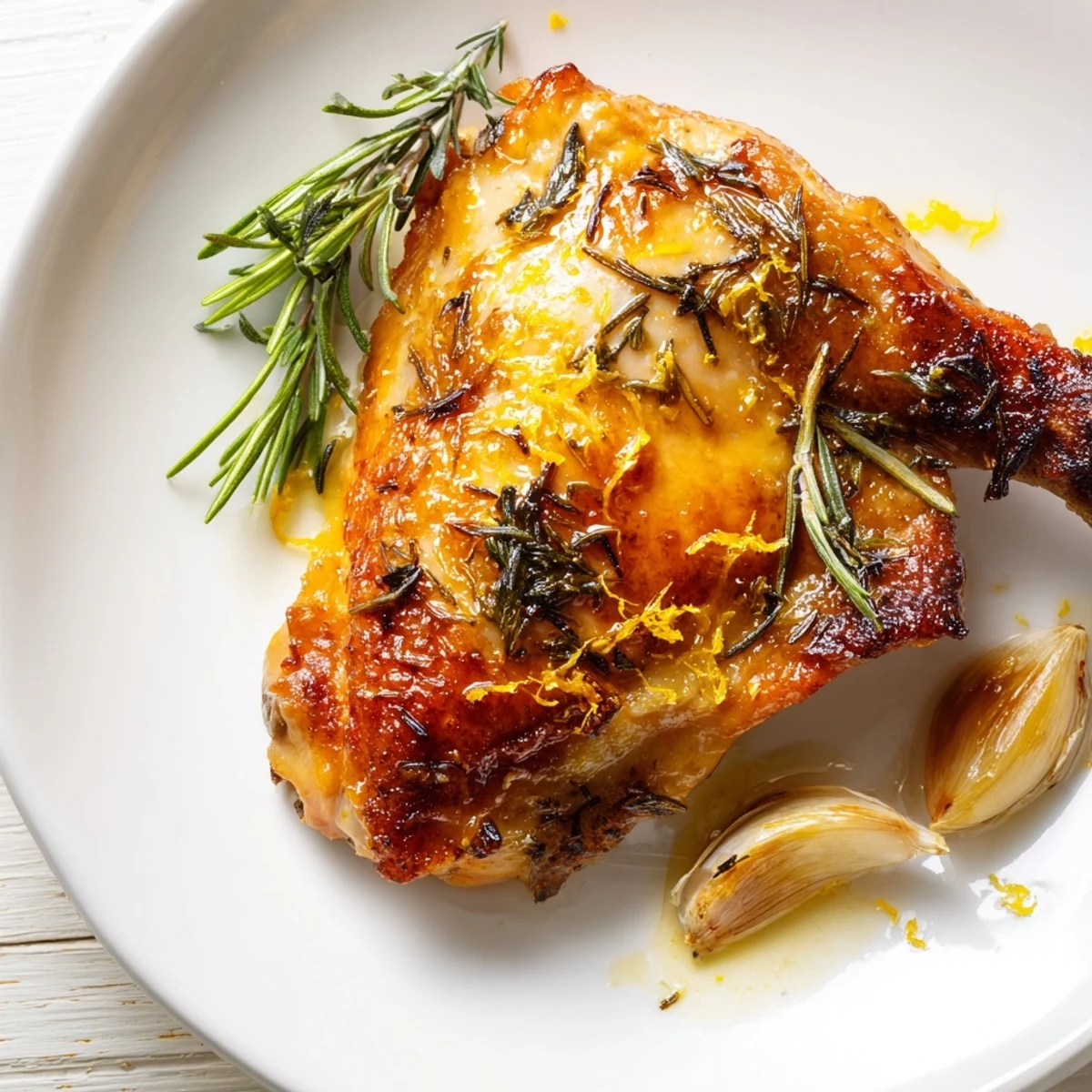
 There's something deeply satisfying about a perfectly roasted chicken, the way it brings people together around the table and fills the house with comfort. Every time I make this recipe, I think about all the hands that prepared similar chickens throughout history, passing down the simple technique from generation to generation.
Recipe Questions & Answers
- → How do I ensure the chicken skin is crispy?
-
Dry the chicken thoroughly before roasting and leave it uncovered in the fridge for a few hours to help the skin crisp up during cooking.
- → Can I substitute the fresh herbs?
-
Yes, herbs like sage or tarragon work well as alternatives, bringing slightly different but complementary flavors.
- → What internal temperature should the chicken reach?
-
Roast until the thickest part of the thigh reaches 165°F (74°C) to ensure it’s fully cooked and safe to eat.
- → Is it necessary to use vegetables in the roasting pan?
-
Vegetables like onion, carrots, and celery create a flavorful bed and help lift the chicken for even roasting, but they are optional.
- → How long should the chicken rest after roasting?
-
Rest the chicken for about 10 minutes tented loosely with foil to allow juices to redistribute for moist, tender meat.