
 Save to Pinterest
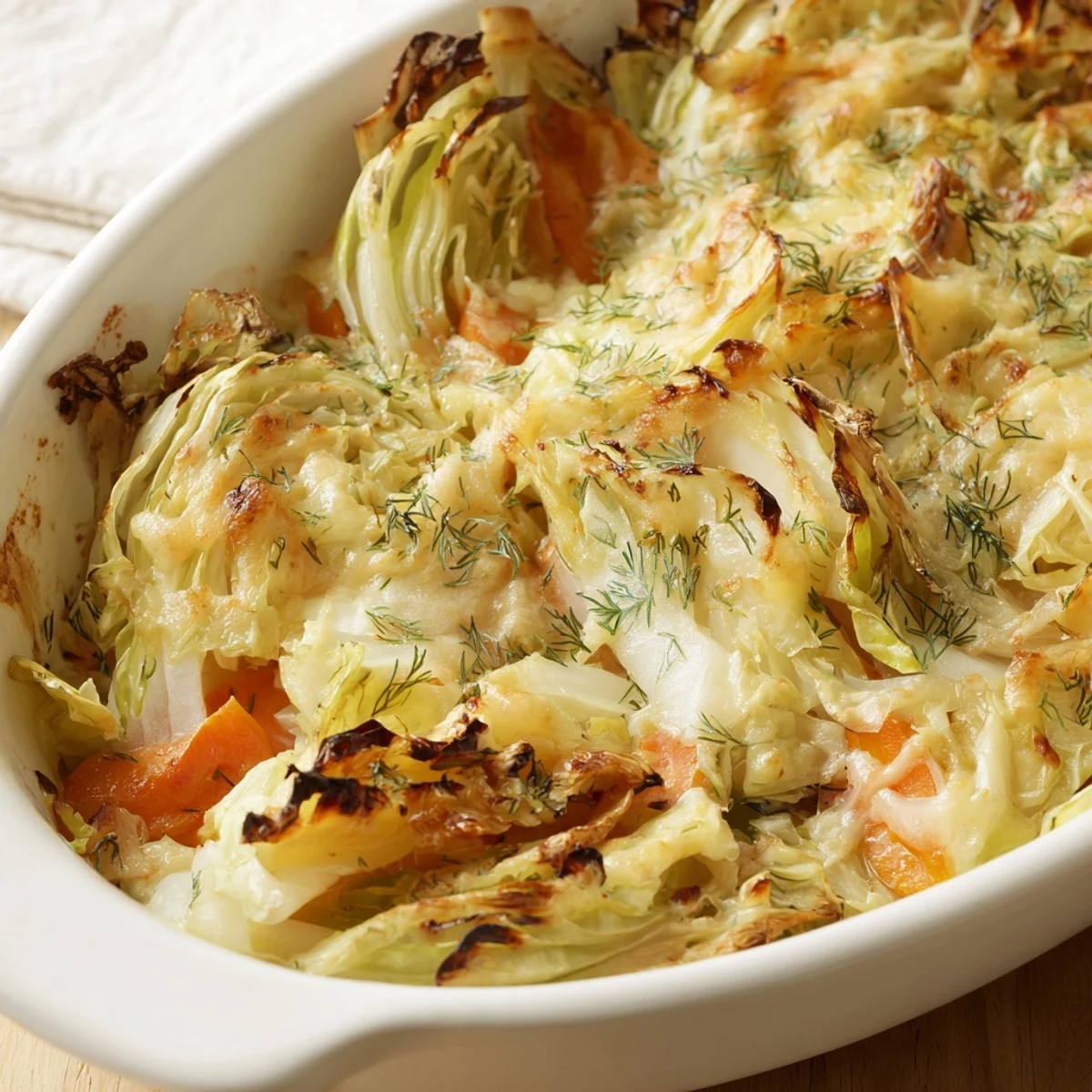
 This comforting casserole transforms humble cabbage and sauerkraut into a hearty, flavorful dish through slow roasting. The tender roasted cabbage combines perfectly with tangy fermented kraut, while aromatic onions, garlic, and carrots add depth. Traditional caraway seeds and smoked paprika provide authentic German-inspired flavors that develop beautifully over two hours of gentle baking.
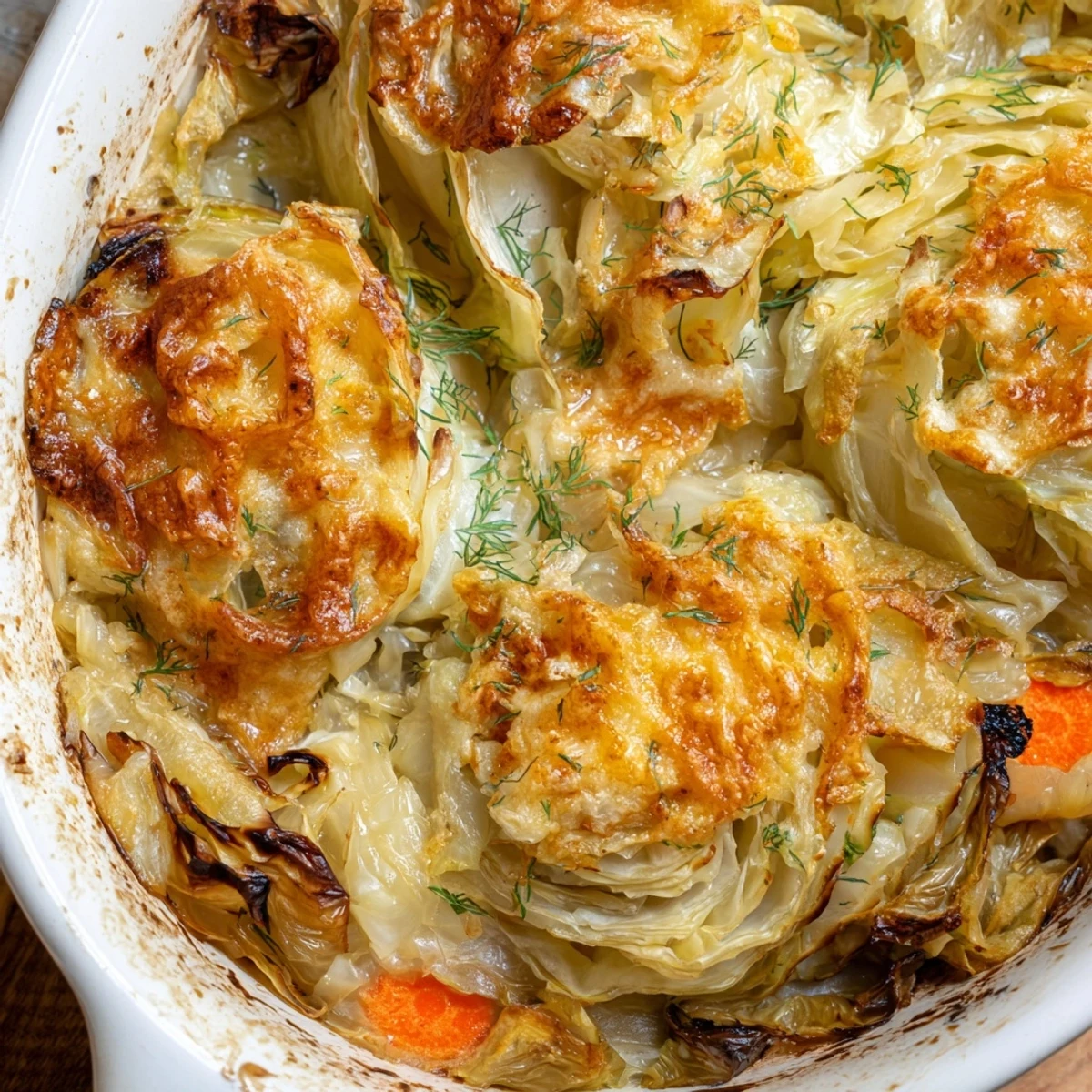
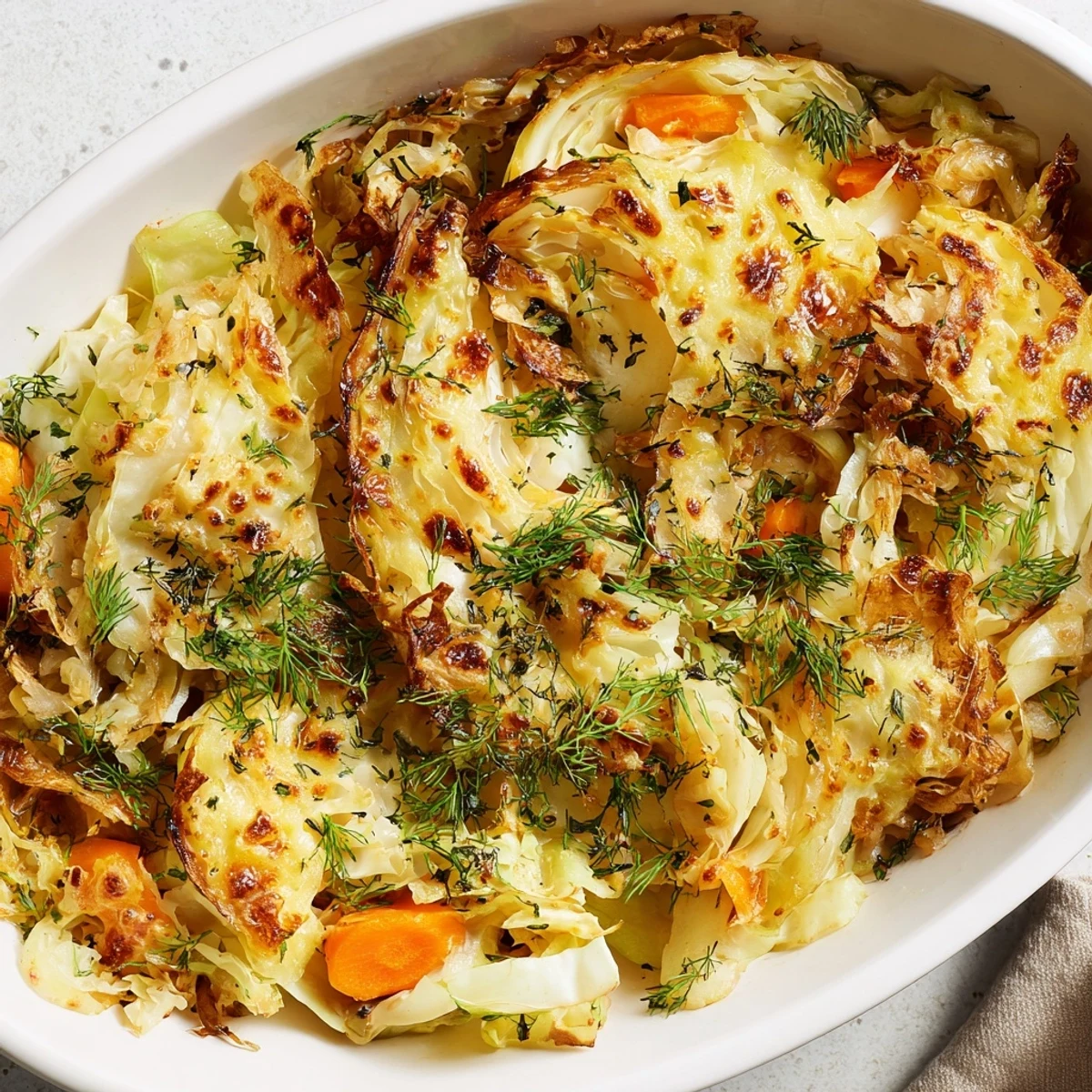
The slow cooking process allows the vegetables to caramelize and meld together, creating rich, savory layers. Optional cheese topping adds a golden, bubbling finish while sour cream brings cool creaminess to each serving. This versatile dish works wonderfully as a satisfying vegetarian main or pairs perfectly alongside sausages and rye bread for a complete meal.
The smell of cabbage roasting low and slow in the oven is one of those quiet comforts that sneaks up on you, filling every hallway and corner until the whole house feels like it is wrapped in something warm. My grandmother used to say that cabbage is the most honest vegetable there is, unpretentious and deeply satisfying when you give it enough time. This casserole became my winter ritual somewhere along the way, the dish I reach for when the days grow short and I want the oven to do most of the work. It is humble, deeply flavored, and surprisingly addictive.
One January evening my neighbor walked over with a jar of homemade sauerkraut and I had no idea what to do with it, so I layered it with cabbage and hoped for the best. Two hours later she was sitting at my kitchen table, spooning seconds onto her plate and asking for the recipe. That jar turned out to be the best kitchen surprise I have had in years.
Ingredients
- 1 medium green cabbage, about 2 lbs, cored and sliced: The star of the dish, so pick one that feels heavy and dense with crisp, tight leaves.
- 2 cups sauerkraut, drained and rinsed: Rinsing tames the sharpness just enough while keeping that signature tang alive.
- 2 medium onions, thinly sliced: They melt into sweetness during the long roast and tie everything together.
- 2 carrots, grated: A quiet addition that adds subtle sweetness and a lovely golden fleck throughout.
- 2 cloves garlic, minced: Fresh garlic sauteed with the onions creates an aromatic base you can smell from the next room.
- 2 tbsp olive oil: Just enough to soften the aromatics and keep the cabbage from drying out.
- 1 tsp caraway seeds: Totally optional but they give that unmistakable Old World character that makes the dish feel authentic.
- 1 tsp smoked paprika: Adds a gentle smokiness that tricks you into thinking this came off a backyard grill.
- 1/2 tsp ground black pepper: A modest amount, you can always adjust upward after tasting.
- 1 tsp salt, adjusted to taste: Sauerkraut brings its own salt so start conservatively and season at the end.
- 2 tbsp fresh dill, chopped, or 2 tsp dried dill: Dill and cabbage are old friends and the herb brightens the whole casserole.
- 1 cup vegetable broth: Poured over before baking, it creates steam that tenderizes everything slowly.
- 1 cup sour cream, for serving: A cool dollop on top is the finishing touch nobody skips.
- 1/2 cup grated Gruyere or Swiss cheese: Melts into a golden crust that makes the top irresistible.
Instructions
- Get the oven ready:
- Preheat to 325 degrees Fahrenheit and grease a large casserole dish so nothing sticks later.
- Wake up the aromatics:
- Warm the olive oil in a large skillet over medium heat, then add the onions and garlic, stirring until they soften and turn fragrant, about four minutes.
- Bring everything together:
- In a large bowl, combine the sliced cabbage, grated carrots, sauteed onion mixture, sauerkraut, caraway seeds, smoked paprika, pepper, salt, and dill, tossing with your hands until evenly mixed.
- Build the casserole:
- Transfer the mixture into your prepared dish and pour the vegetable broth evenly across the top so every layer gets moisture.
- Slow roast covered:
- Cover tightly with foil or a lid and slide it into the oven for one hour and thirty minutes, letting everything steam and soften into tenderness.
- Finish uncovered:
- Remove the foil, give everything a gentle stir, and sprinkle the cheese on top if using, then return uncovered for another thirty minutes until the edges caramelize and the cheese bubbles.
- Rest and serve:
- Let the casserole sit for ten minutes before serving so the juices settle, then serve warm with a generous spoonful of sour cream.
 Save to Pinterest
 The first time I served this at a potluck it disappeared faster than the fancy cheese platter next to it, and three people asked if it was a family recipe. That is the thing about cabbage, it never asks to be the center of attention but somehow ends up being exactly that.
Making It Your Own
This recipe bends easily in whatever direction your fridge or cravings take you. Toss in sliced kielbasa or smoked sausage if you want something heartier, or scatter toasted breadcrumbs on top for crunch without the cheese. I have even stirred in chopped apples during autumn and loved the unexpected sweetness against the tangy sauerkraut.
What to Serve Alongside
A thick slice of dark rye bread is really all you need to make this a complete meal, the kind that anchors a cold evening with almost no effort. A cold German lager beside it does not hurt either, the crisp carbonation cutting through the richness in the best way. Simple sides are the answer here because the casserole already does the heavy lifting.
Storage and Reheating
This casserole keeps beautifully in the fridge for up to four days and honestly tastes even better the next day when the flavors have had time to mingle and settle. Reheat it covered in a low oven so the cabbage stays soft rather than drying out at the edges.
- Freeze individual portions in airtight containers for up to three months for an easy weeknight rescue.
- Avoid microwaving uncovered or the cabbage will toughen and lose its melting texture.
- Always taste for salt before serving again because the sauerkraut continues to release flavor as it sits.
 Save to Pinterest
 Some dishes earn their place in your kitchen not because they are flashy but because they make you feel like you have been cooking all day when really the oven did all the work. This is that kind of recipe, and I suspect it will find a permanent spot in your rotation too.
Recipe Questions & Answers
- → What makes this cabbage casserole traditional?
-
The combination of cabbage and sauerkraut with caraway seeds reflects classic German cooking traditions. These ingredients have been used together in Central European cuisine for centuries, creating the characteristic tangy and aromatic flavor profile that defines hearty comfort food from the region.
- → Can I prepare this dish ahead of time?
-
Absolutely. This casserole actually benefits from being made a day in advance, as the flavors continue to develop and meld. Simply prepare through step 5, refrigerate, then complete the final 30 minutes of baking before serving. You may need to add 5-10 extra minutes if baking from cold.
- → How do I store leftovers?
-
Leftovers keep well in an airtight container in the refrigerator for 4-5 days. The flavors actually deepen and improve after resting. Reheat in a 350°F oven until warmed through, about 20-25 minutes, or microwave individual portions for 2-3 minutes, stirring halfway.
- → What proteins pair well with this casserole?
-
Smoked sausages, bratwurst, kielbasa, or pork chops complement the tangy flavors beautifully. For vegetarian protein, serve alongside lentils or white beans. The dish also works as a satisfying main on its own thanks to the substantial cabbage and cheese topping.
- → Can I use red cabbage instead?
-
Yes, red cabbage works wonderfully and adds vibrant color. The cooking time remains the same, though the final dish will have a slightly sweeter profile and deep purple hue. Consider reducing the smoked paprika slightly to let the natural cabbage flavors shine.
- → Is sauerkraut necessary or can I substitute it?
-
Sauerkraut provides essential tang and depth that balances the sweet cabbage. If unavailable, substitute with shredded fresh cabbage plus 2 tablespoons apple cider vinegar or white wine vinegar. You could also use kimchi for a spicy Korean-inspired variation.