
 Save to Pinterest
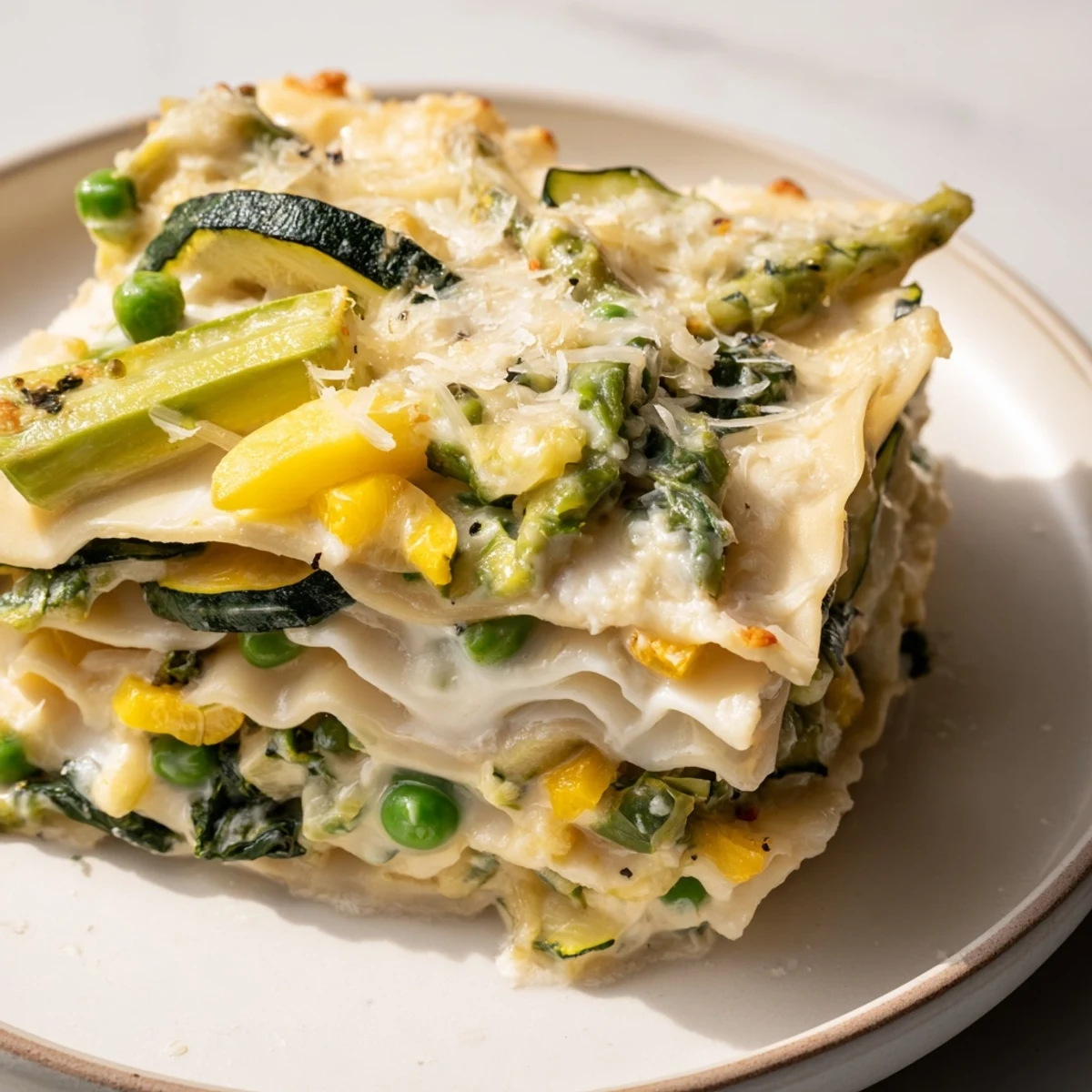
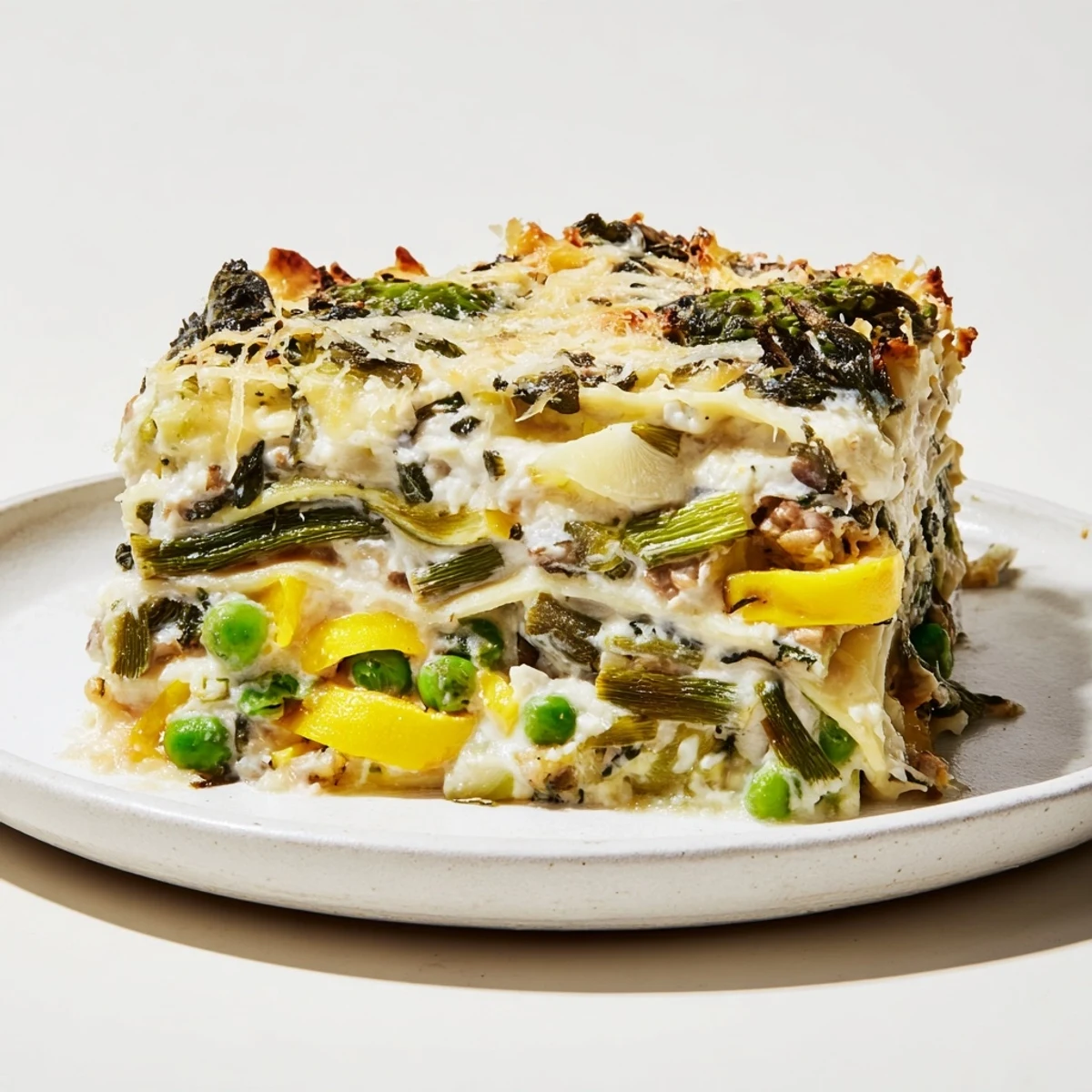
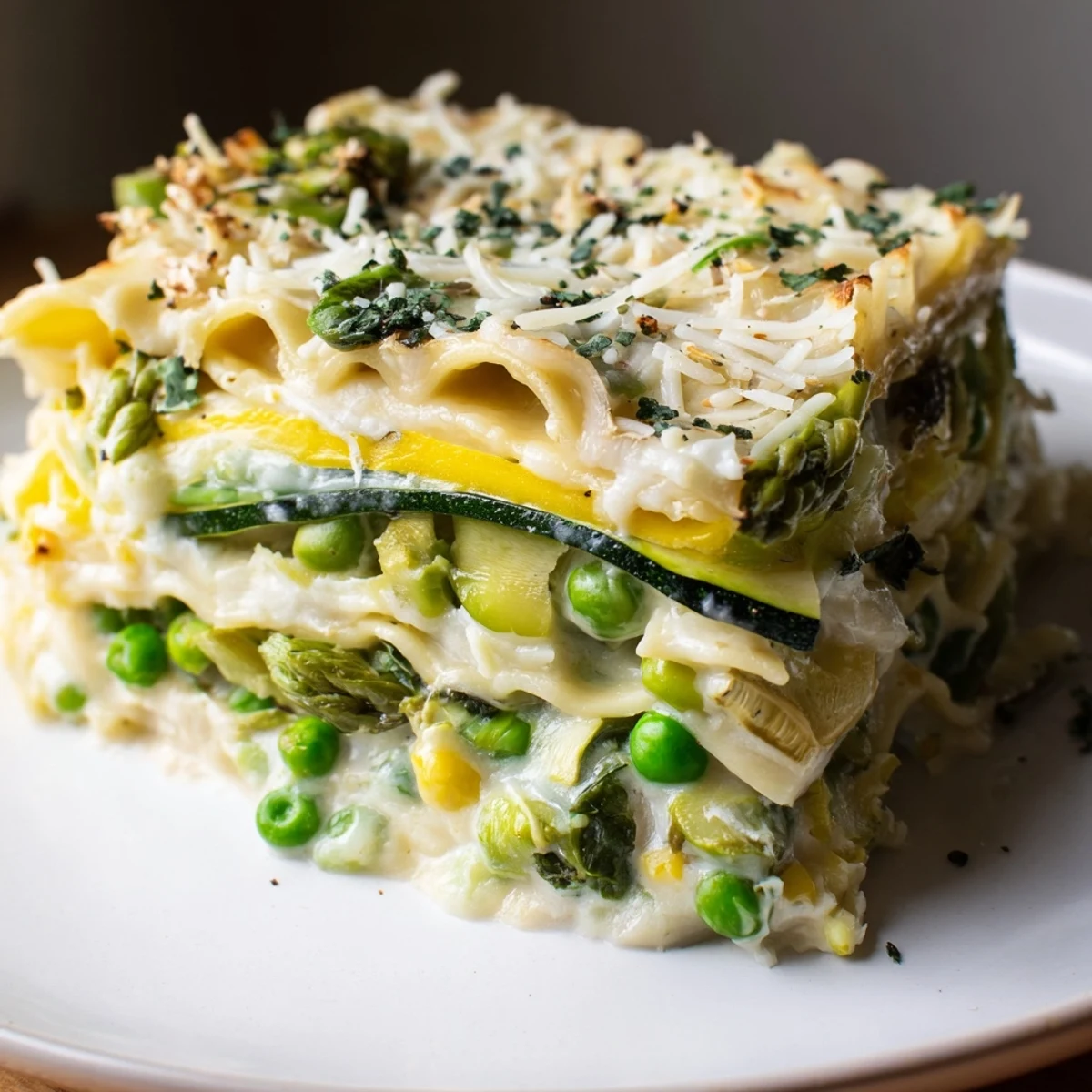
 This dish showcases tender spring vegetables like zucchini, asparagus, and peas, layered with creamy béchamel and rich cheeses. Sautéed leeks and garlic infuse delicate flavors while no-boil noodles keep preparation simple. Baked until golden and bubbling, this meal offers a light yet richly textured experience perfect for a satisfying leisurely dinner.
My kitchen windowsill was still cluttered with seedlings when I decided this lasagna needed to happen. The farmers market had exploded with spring produce, and I found myself with arms full of vegetables and no plan beyond cooking them all together. Sometimes the best meals start with that kind of abundance.
Last spring, I made this for my friend Sarahs birthday dinner. We were all squeezed around my tiny apartment table, candles flickering, when she took her first bite and went completely silent for a full ten seconds. She later confessed she usually skips lasagna because it feels too heavy, but this version disappeared faster than Ive ever seen.
Ingredients
- Olive oil: This is your canvas foundation, so use something you actually like tasting
- Zucchini and yellow squash: Thin slices are key here, they should be almost translucent to avoid watery layers
- Asparagus: Cut into 1 inch pieces, the tips add these pretty little green jewels throughout
- Baby spinach: It wilts down to almost nothing, so do not be afraid to pile it on
- Frozen peas: Honestly, these work better than fresh in lasagna because they hold their shape through baking
- Leek: Only use the white and light green parts, the darker ends can be tough and bitter
- Garlic: Freshly minced makes a noticeable difference over pre-minced
- Ricotta cheese: Whole milk ricotta gives you that restaurant creaminess, part skim works but is less luxurious
- Egg: This binds the ricotta so it does not separate during baking
- Mozzarella: Shredded from a block melts better than pre-shredded, which has anti-caking agents
- Parmesan: Buy a wedge and grate it yourself, the flavor difference is worth the effort
- Butter: Unsalted lets you control the seasoning in your béchamel
- All-purpose flour: This thickens your white sauce, whisk it thoroughly to avoid lumps
- Whole milk: The higher fat content creates a richer, more stable sauce
- Freshly grated nutmeg: This is the secret ingredient that makes béchamel taste professionally made
- No-boil lasagna noodles: These absorb excess moisture from the vegetables while cooking
Instructions
- Warm your oven and pan:
- Preheat to 375°F and heat olive oil in a large skillet over medium heat, you want the oil shimmering but not smoking
- Sauté the aromatics:
- Add leeks and garlic, cooking for about 2 minutes until they soften and become fragrant, stirring so they do not brown
- Add the harder vegetables:
- Toss in zucchini, squash, and asparagus, sautéing 4 to 5 minutes until just tender when pierced with a fork
- Wilt the greens:
- Add spinach and peas, stirring until spinach collapses and everything is heated through, then season generously with salt and pepper
- Make the ricotta filling:
- Mix ricotta with egg, ¼ cup Parmesan, salt and pepper until completely smooth
- Start the béchamel:
- Melt butter in a saucepan over medium heat, then whisk in flour and cook for 1 minute, it should bubble but not darken
- Add the milk:
- Gradually whisk in whole milk, about ½ cup at a time, letting it smooth out before adding more
- Thicken the sauce:
- Continue whisking for about 5 minutes until it coats the back of a spoon, then season with nutmeg, salt and pepper
- Begin layering:
- Spread a thin layer of béchamel on the bottom of your 9x13 baking dish, this prevents noodles from sticking
- Add first layer:
- Place 3 noodles over sauce, then spread ⅓ of ricotta, ⅓ of vegetables, and ⅓ of béchamel, sprinkle with some mozzarella
- Build remaining layers:
- Repeat the noodle, ricotta, vegetable, béchamel, cheese pattern two more times
- Finish the top:
- End with remaining béchamel, then sprinkle all remaining mozzarella and Parmesan across the surface
- Bake covered:
- Cover tightly with foil and bake for 30 minutes, the foil trap steam to help noodles cook through
- Brown the top:
- Remove foil and bake 10 to 15 minutes longer until cheese is golden and sauce is bubbling around edges
- Let it rest:
- Wait 10 minutes before slicing, this is absolutely crucial or the layers will slide apart
 Save to Pinterest
 This recipe became my go-to for welcoming neighbors to our street. There is something about lasagna that makes people feel at home, and the spring vegetables keep it from feeling like winter comfort food. Every time I make it now, I think of that first birthday dinner and how the best recipes are the ones that bring people back to the table.
Make It Your Own
I have played with this base recipe more times than I can count, which is how I know it is wonderfully forgiving. Swap in vegetables you love or whatever looks best at the market. The technique stays the same even when the ingredients change.
Wine Pairing
A crisp Sauvignon Blanc cuts through the creamy layers without overpowering the delicate vegetables. Pinot Grigio works beautifully too, especially if you want something slightly more floral. The acidity in both wines balances the rich béchamel.
Storage and Leftovers
This lasagna actually tastes better the next day, which might be the best thing I can say about it. The flavors meld overnight and the texture becomes even more cohesive. Wrap leftovers tightly and refrigerate up to four days, or freeze individual portions for those nights when cooking feels impossible.
- Reheat covered at 350°F for about 20 minutes if refrigerated
- Frozen portions can go directly into the oven, just add 10 minutes
- The top might not get as crispy during reheating, but the taste remains perfect
 Save to Pinterest
 I hope this recipe finds its way into your spring rotation and brings the same joy to your table as it has to mine. There is something deeply satisfying about turning a market haul into something this comforting.
Recipe Questions & Answers
- → Can I use other vegetables instead of spring vegetables?
-
Yes, feel free to substitute with seasonal veggies such as artichoke hearts or fava beans to suit your taste and availability.
- → How can I make the béchamel sauce thicker?
-
Ensure you cook the flour and butter mixture for at least one minute before adding milk and whisk continuously to achieve a smooth, thick sauce.
- → Is it necessary to use no-boil noodles?
-
No-boil noodles simplify preparation, but you can use regular noodles cooked until al dente according to package instructions.
- → What herbs enhance the flavor best in this dish?
-
Fresh basil or dill added to the cheese mixture brings a fresh herbal note that complements the vegetables beautifully.
- → How long should the dish rest before serving?
-
Allowing the lasagna to rest for about 10 minutes helps it set, making slicing easier and improving the flavors.