
 Save to Pinterest
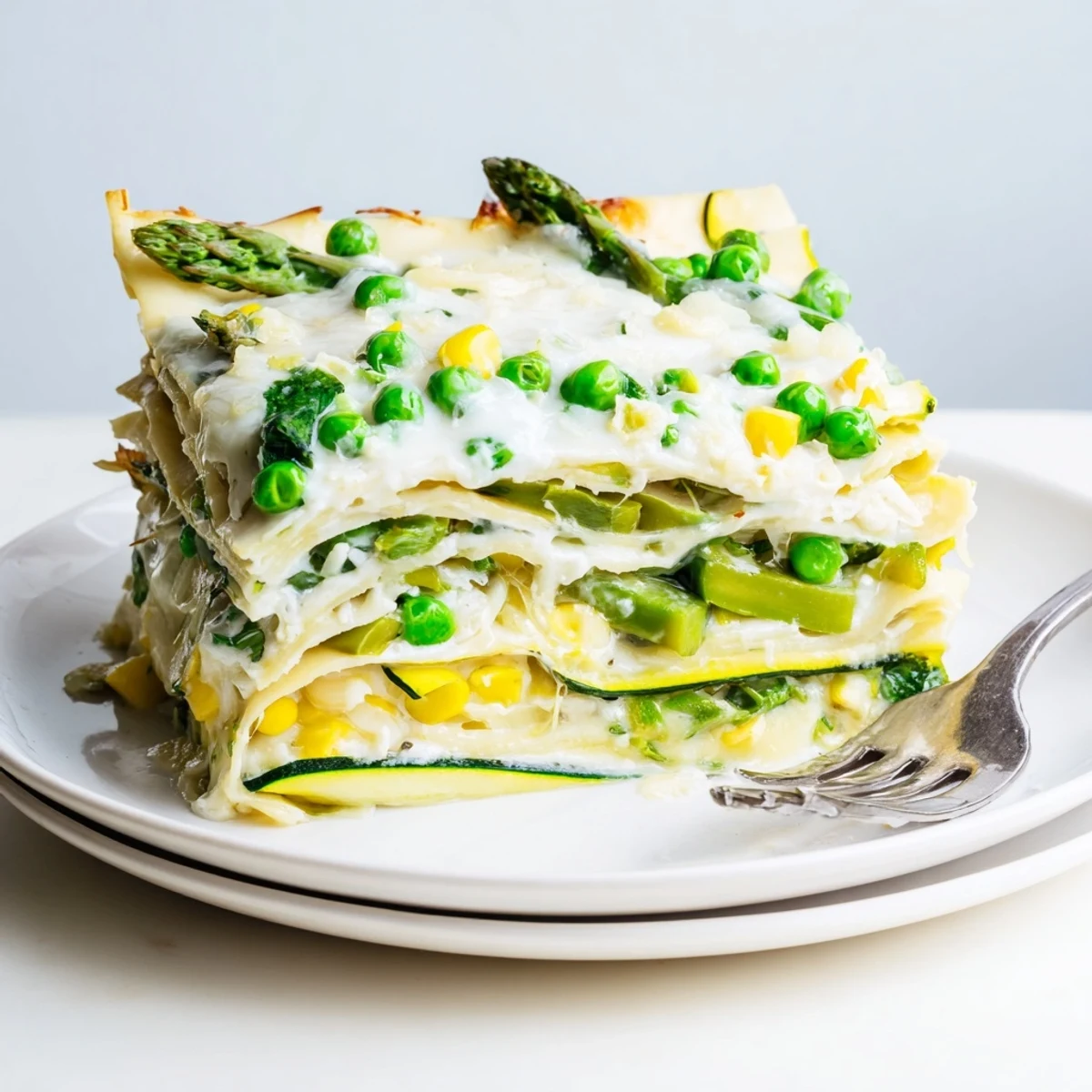
 This light lasagna celebrates fresh spring vegetables including zucchini, asparagus, peas, and spinach, layered with creamy béchamel and a blend of cheeses. The vegetables are sautéed to tender perfection before assembly with no-boil noodles and a silky sauce. Baked until golden and bubbling, it offers a comforting yet vibrant meal that highlights seasonal produce and smooth textures. Perfect for a medium-difficulty dish to serve six, it combines fresh flavors with rich dairy in a classic Italian style.
Last April, my neighbor dropped off a bag of vegetables from her garden and I somehow ended up with this lasagna on my table instead of my usual Saturday pasta. The asparagus was so fresh it snapped when I bent it, and those tiny peas made me feel like spring was actually happening after a long gray winter. Now I wait all year for that first bunch of tender vegetables to show up at the farmers market.
I made this for my book club last month and watched everyone go silent after the first bite, which is basically the highest compliment I can hope for. Someone actually asked if I had spent all day cooking, even though it came together in about an hour. There is something about layers of tender vegetables and creamy sauce that makes people feel taken care of, you know
Ingredients
- Zucchini and yellow squash: Thinly slice these yourself instead of buying pre-cut, the fresh slices hold their texture better during baking
- Asparagus: Trim the woody ends by bending each spear until it snaps naturally, it knows exactly where the tough part begins
- Fresh peas: If you can find them at the market, they are worth the shelling time, but frozen work perfectly fine too
- Baby spinach: Chop it roughly so it distributes evenly through the layers instead of clumping together
- Leek: Slice the white and light green parts thinly, then rinse well to remove any hidden grit between the layers
- Olive oil: Use a good quality one here since the vegetables are simply sautéed, the oil flavor really comes through
- Mozzarella cheese: Shred it yourself from a block if you have time, pre-shredded has anti-caking agents that prevent smooth melting
- Parmesan cheese: Buy a wedge and grate it fresh, the difference in flavor is honestly dramatic
- Ricotta cheese: Full-fat ricotta gives the best creamy texture, but part-skim works if you are watching calories
- No-boil lasagna noodles: These absorb excess moisture from the vegetables and sauce, preventing a watery lasagna
- Unsalted butter: Lets you control the salt level in your béchamel, which matters since the cheese is already salty
- All-purpose flour: This thickens the béchamel, and whisking it into the butter cooks out any raw flour taste
- Whole milk: Warm it slightly before adding to the roux, cold milk can cause lumps that are frustrating to whisk out
- Fresh nutmeg: Grate it yourself if possible, it adds this subtle warmth that makes the béchamel taste professionally made
Instructions
- Roast the vegetables just right:
- Heat olive oil in a large skillet over medium heat, add the leeks first and let them soften for about 2 minutes before adding the other vegetables. Toss in the zucchini, yellow squash, and asparagus, sautéing for 5 to 6 minutes until they are just tender, you want them to hold their shape in the oven. Stir in the peas and spinach, season generously with salt and pepper, and cook for 2 more minutes until the spinach wilts. Set this aside to cool slightly while you make the sauce.
- Whisk up the béchamel:
- Melt butter in a saucepan over medium heat, then whisk in the flour and cook for exactly 1 minute, it should bubble but not brown. Gradually whisk in the warm milk, about half a cup at a time, letting the mixture smooth out before adding more. Keep stirring constantly for 6 to 8 minutes until the sauce thickens enough to coat the back of a spoon. Season with salt, white pepper, and that pinch of nutmeg, then remove from heat.
- Build the layers:
- Spread a thin layer of béchamel on the bottom of your baking dish to prevent sticking. Arrange 3 noodles over the sauce, then top with half the vegetables, dollops of ricotta, a third of the mozzarella and Parmesan, and a quarter of the béchamel. Repeat this whole layer one more time. Finish with the last 3 noodles, the remaining béchamel, and the rest of the cheese.
- Bake until golden:
- Cover tightly with foil and bake for 30 minutes, then uncover and bake for another 10 to 15 minutes until the top is golden brown and bubbling around the edges. Let it rest for 10 minutes before slicing, this waiting time is torture but it keeps the layers from sliding apart when you cut it.
 Save to Pinterest
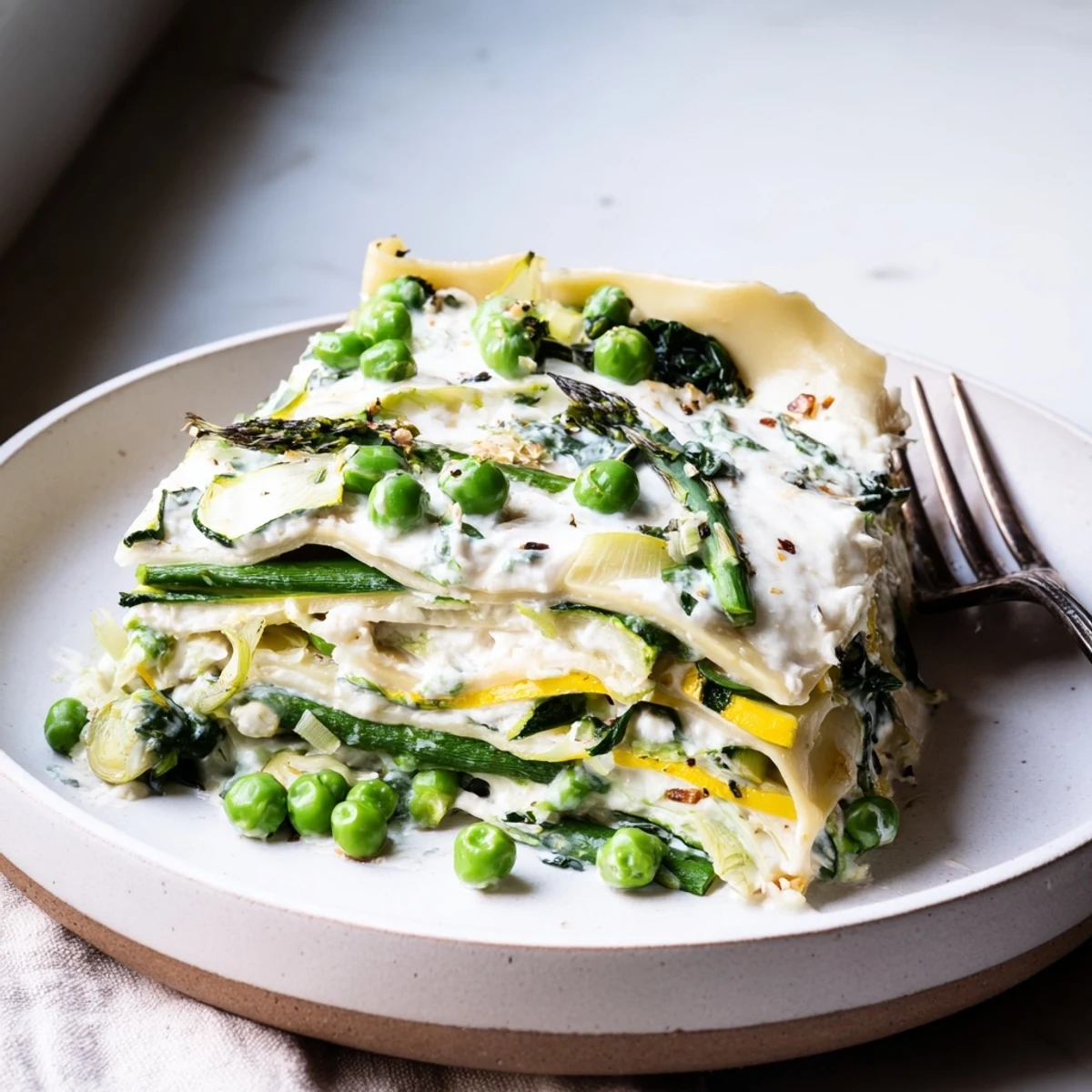
 This recipe has become my go-to for bringing dinner to friends who need a meal, because it travels well and reheats beautifully. Something about all those spring vegetables wrapped in creamy sauce feels like giving someone a hug in food form.
Making It Ahead
You can assemble this lasagna up to 24 hours ahead, cover it tightly, and keep it in the refrigerator. Add about 10 minutes to the baking time if it is cold from the fridge. I have also frozen unbaked lasagna for up to a month, just thaw it overnight before baking.
Vegetable Swaps
Feel free to use whatever looks best at the market. I have swapped in fava beans, artichoke hearts, or even thinly sliced spring carrots when asparagus was not available. The key is keeping the vegetables cut into similar sizes so they cook evenly.
Serving Suggestions
A simple green salad with lemon vinaigrette cuts through the richness perfectly. Crusty bread is almost mandatory for soaking up any extra sauce. This pairs beautifully with a crisp white wine like Pinot Grigio.
- Let the lasagna rest longer than you think you should, patience really does pay off here
- Cut through the layers with a sharp knife, wiping it clean between slices for the prettiest pieces
- Leftovers reheat surprisingly well in the microwave, though the oven gives a better texture
 Save to Pinterest
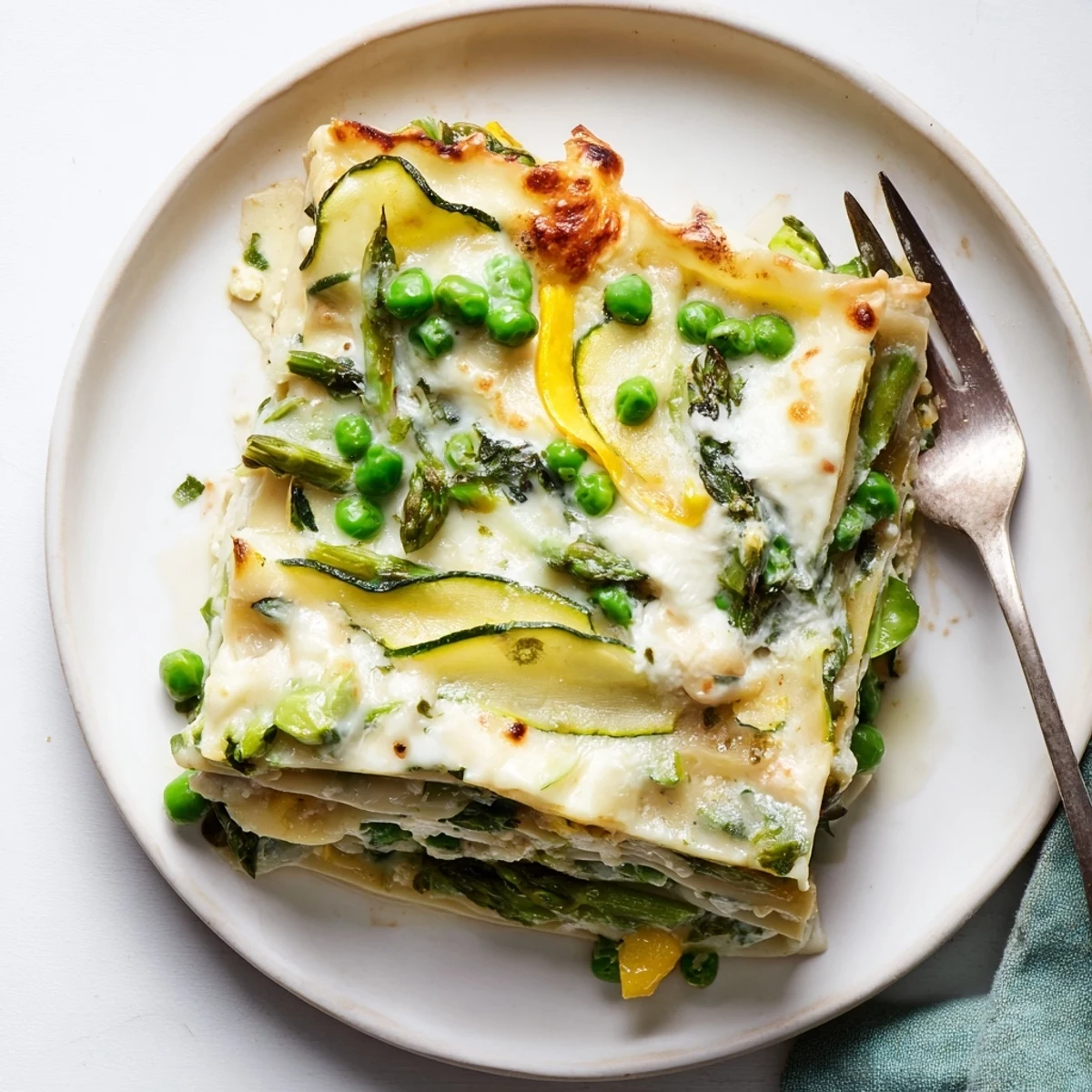
 Hope this brings some spring brightness to your table like it has to mine.
Recipe Questions & Answers
- → Can I substitute other vegetables in this dish?
-
Yes, feel free to use other spring vegetables like fava beans or artichoke hearts to suit your taste and seasonal availability.
- → How do I make the béchamel sauce smooth?
-
Gradually whisk warm milk into the butter and flour mixture while stirring constantly until the sauce thickens smoothly without lumps.
- → Is it necessary to use no-boil lasagna noodles?
-
No-boil noodles are convenient, but you can pre-cook regular noodles according to package instructions if preferred.
- → What wine pairs well with this dish?
-
A crisp Pinot Grigio or Sauvignon Blanc complements the creamy béchamel and fresh vegetables nicely.
- → Can I prepare this dish ahead of time?
-
Yes, you can assemble the layers in advance and refrigerate before baking for convenience.