
 Save to Pinterest
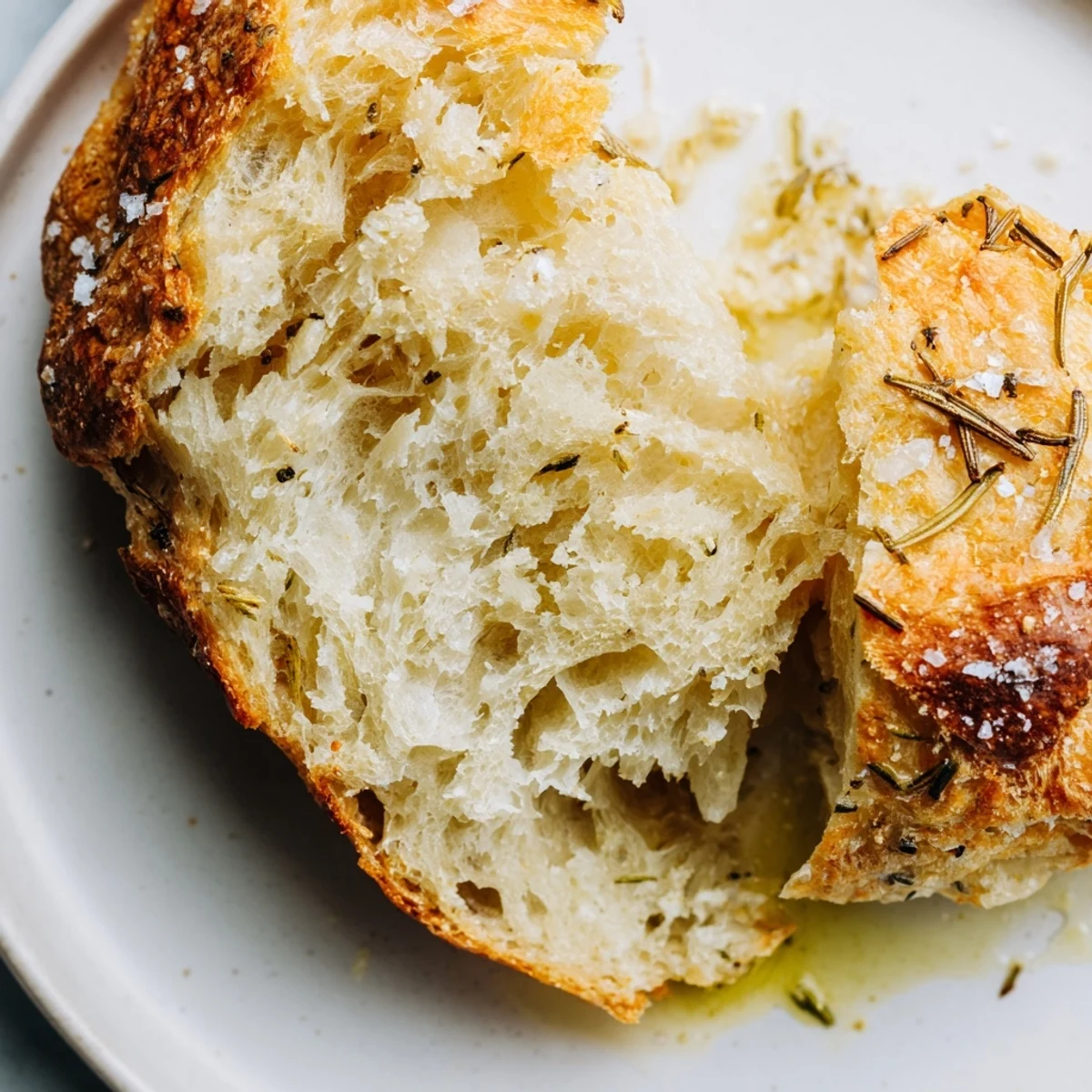
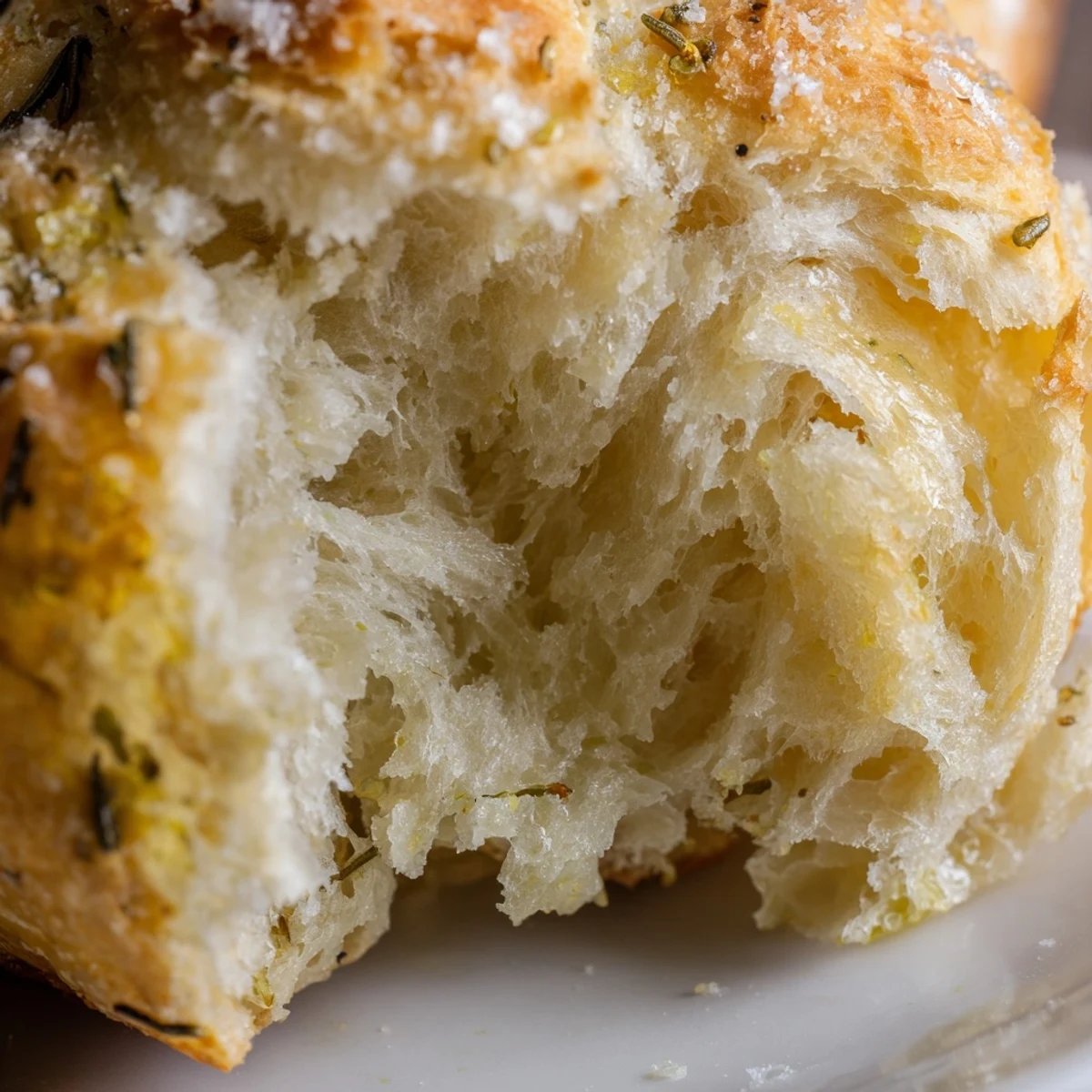
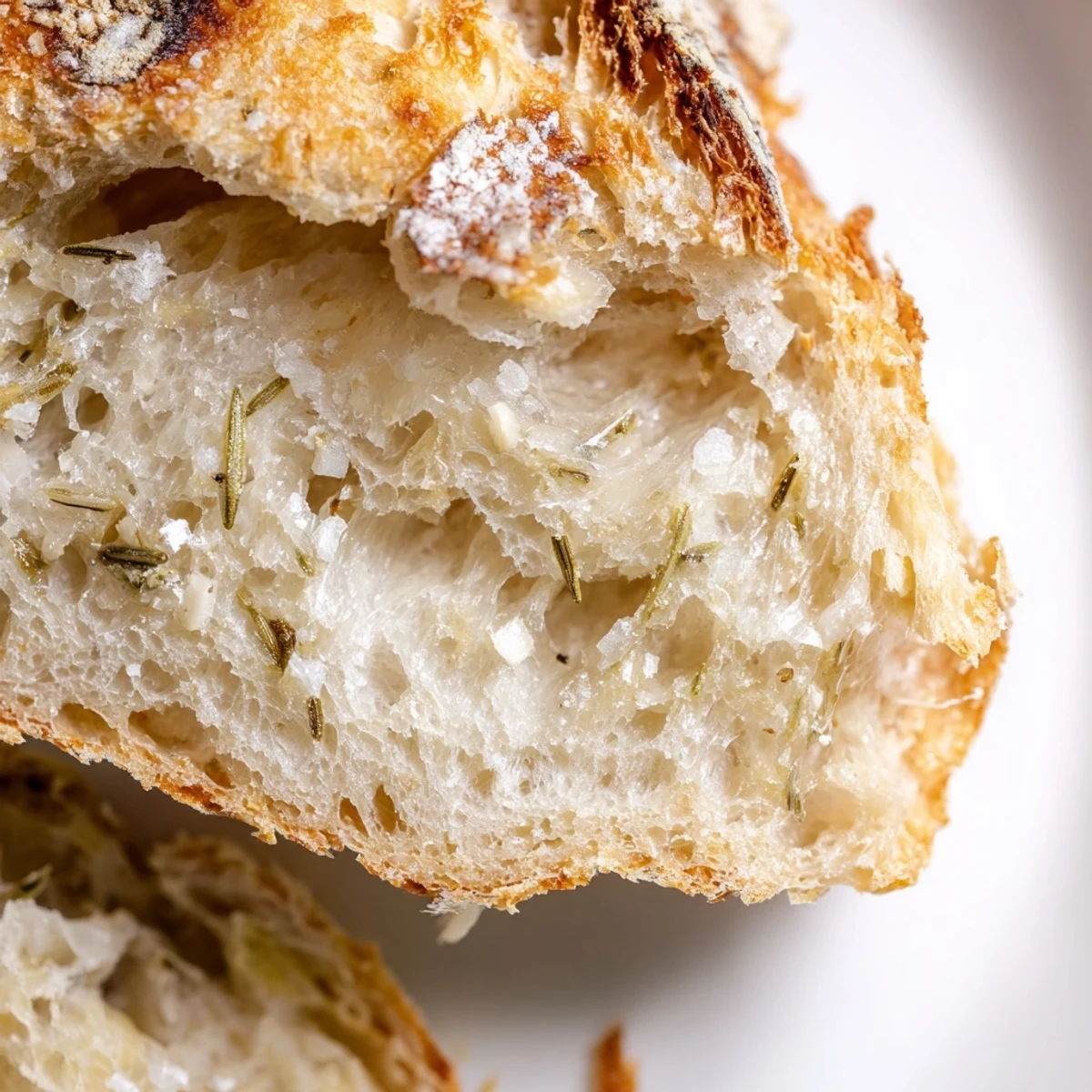
 Create a warm, comforting bread that transforms simple ingredients into something extraordinary. This European-style skillet bread features a crackling golden crust giving way to a tender, chewy interior scented with roasted garlic and fresh rosemary. The magic happens in a cast iron skillet, where the dough develops irresistibly crisp edges while staying soft inside. Perfect alongside soups, stews, or simply torn and shared with olive oil for dipping. With just 15 minutes of active prep and a straightforward rise, this aromatic loaf brings rustic bakery charm to your home kitchen.
My tiny apartment kitchen smelled like an Italian bakery that first afternoon I attempted skillet bread. I had forgotten to buy garlic powder at the store, so I minced four fresh cloves instead, watching them disappear into the elastic dough. The whole building seemed to know what I was baking before the bread even hit the oven. Now whenever that roasting garlic fragrance fills my kitchen, I remember how cooking can turn a mistake into something better.
Last winter my sister stayed over during that awful week our heat was barely working. We stood around the warm skillet with dipping oil, watching steam rise from each slice, talking about everything and nothing until the bread was gone. Sometimes the simplest meals become the ones you actually remember.
Ingredients
- Bread flour: Higher protein content gives this bread its structure and chewy texture, creating those beautiful air pockets inside
- Active dry yeast: Make sure your water is warm like bath water, around 105 to 115 degrees Fahrenheit, or the yeast will not wake up properly
- Fresh rosemary: Strip the needles off the woody stems and chop them finely so they distribute evenly throughout every bite
- Garlic: Mince it small so it infuses the dough without leaving harsh raw spots, or roast it first for a sweeter, milder flavor
- Flaky sea salt: This finishing salt creates those crunchy bursts on top that make each bite interesting and restaurant quality
- Olive oil: Use a good quality extra virgin oil since the flavor really shines in this simple bread
Instructions
- Wake up the yeast:
- Stir your yeast into warm water and walk away for five minutes. You should see tiny bubbles forming on top, which means the yeast is alive and ready to work.
- Build the dough:
- Whisk flour and salt into the yeast mixture until a shaggy, messy dough forms, then turn it out onto a floured surface and knead for about six minutes until it becomes smooth and slightly tacky.
- Add the magic:
- Drizzle in olive oil, minced garlic, and chopped rosemary, then knead just until everything is evenly distributed. The dough will feel fragrant and slightly oily.
- First rise:
- Place your dough in a lightly oiled bowl, cover it with a damp towel, and find a warm corner of your kitchen. Let it puff up for about an hour until it has doubled in size.
- Prepare the pan:
- Generously coat your oven safe skillet with olive oil, getting into all the corners and up the sides. This buttery layer creates that golden, crispy bottom crust.
- Shape and rise again:
- Gently press the dough into your prepared skillet, stretching it toward the edges without tearing it. Cover and let it rest for another thirty minutes to puff up.
- Preheat:
- While the dough rises, get your oven to 425 degrees Fahrenheit so it is screaming hot when the bread goes in.
- Finish and bake:
- Brush the top with olive oil and scatter flaky salt across the surface. Bake for thirty to thirty five minutes until the bread is deeply golden and sounds hollow when tapped.
 Save to Pinterest
 My neighbor actually knocked on my door the third time I made this, following that incredible garlic scent up the stairs. We ended up sharing the whole loaf with butter and talking until dark, which is basically my definition of a perfect evening.
Making It Your Own
Swap rosemary for thyme, sage, or even chopped olives and sun dried tomatoes for a completely different personality. I have added caramelized onions before, which sweetens the whole loaf and makes it feel like dinner bread instead of a side.
The Cast Iron Secret
That heavy skillet does something magical to the bottom crust, creating this shatteringly crisp base that makes people think you are a bread baking wizard. If you only have a lighter pan, start it on the stove top for two minutes before baking to get similar results.
Serving Ideas
This bread disappears fastest when served alongside a pot of soup or simply torn and dipped in good olive oil with balsamic vinegar. The next morning, slice any leftovers and toast them, rubbing with raw garlic and sprinkling with salt for breakfast bruschetta that will ruin you for regular toast forever.
- Leftovers freeze beautifully wrapped tightly and thawed at room temperature
- Try swapping in whole wheat flour for up to half the white flour if you want a heartier, nuttier version
- The dough can be mixed the night before and kept in the refrigerator to rise slowly, developing deeper flavor
 Save to Pinterest
 There is something deeply satisfying about pulling this golden, fragrant bread from the oven and watching people reach for it before it even hits the table. Hope your kitchen smells as wonderful as mine always does.
Recipe Questions & Answers
- → What makes skillet bread different from oven-baked bread?
-
The cast iron skillet creates superior heat distribution, producing exceptionally crisp edges and a golden bottom crust while maintaining a tender, airy interior. The enclosed cooking environment helps the dough rise evenly and develop a texture similar to artisan bakery loaves.
- → Can I use dried rosemary instead of fresh?
-
Fresh rosemary provides the best aromatic intensity, but you can substitute 1 teaspoon dried rosemary. Add it directly to the dry ingredients rather than the oil mixture, and consider rehydrating it in a tablespoon of warm water for 10 minutes before incorporating.
- → How do I know when the bread is fully baked?
-
The bread should be deep golden brown on top and sound hollow when tapped on the bottom. An instant thermometer inserted into the center should read 200-205°F (93-96°C). If the top browns too quickly, tent with foil for the final 10 minutes of baking.
- → Can I prepare the dough ahead of time?
-
After the first rise, you can refrigerate the dough for up to 24 hours. Let it come to room temperature for 30 minutes before shaping into the skillet for the second rise. This actually develops more complex flavor and makes handling easier.
- → What can I serve with this rustic bread?
-
This versatile bread pairs beautifully with hearty soups, stews, and pasta dishes. Serve warm with extra virgin olive oil and balsamic vinegar for dipping, use for bruschetta, or simply enjoy alongside a cheese board and cured meats for an appetizer spread.
- → Why roast the garlic before adding?
-
Roasted garlic mellows the sharp, pungent bite of raw garlic into sweet, mellow, buttery cloves that distribute evenly throughout the dough. This technique infuses the entire loaf with subtle depth rather than concentrated spicy pockets.