
 Save to Pinterest
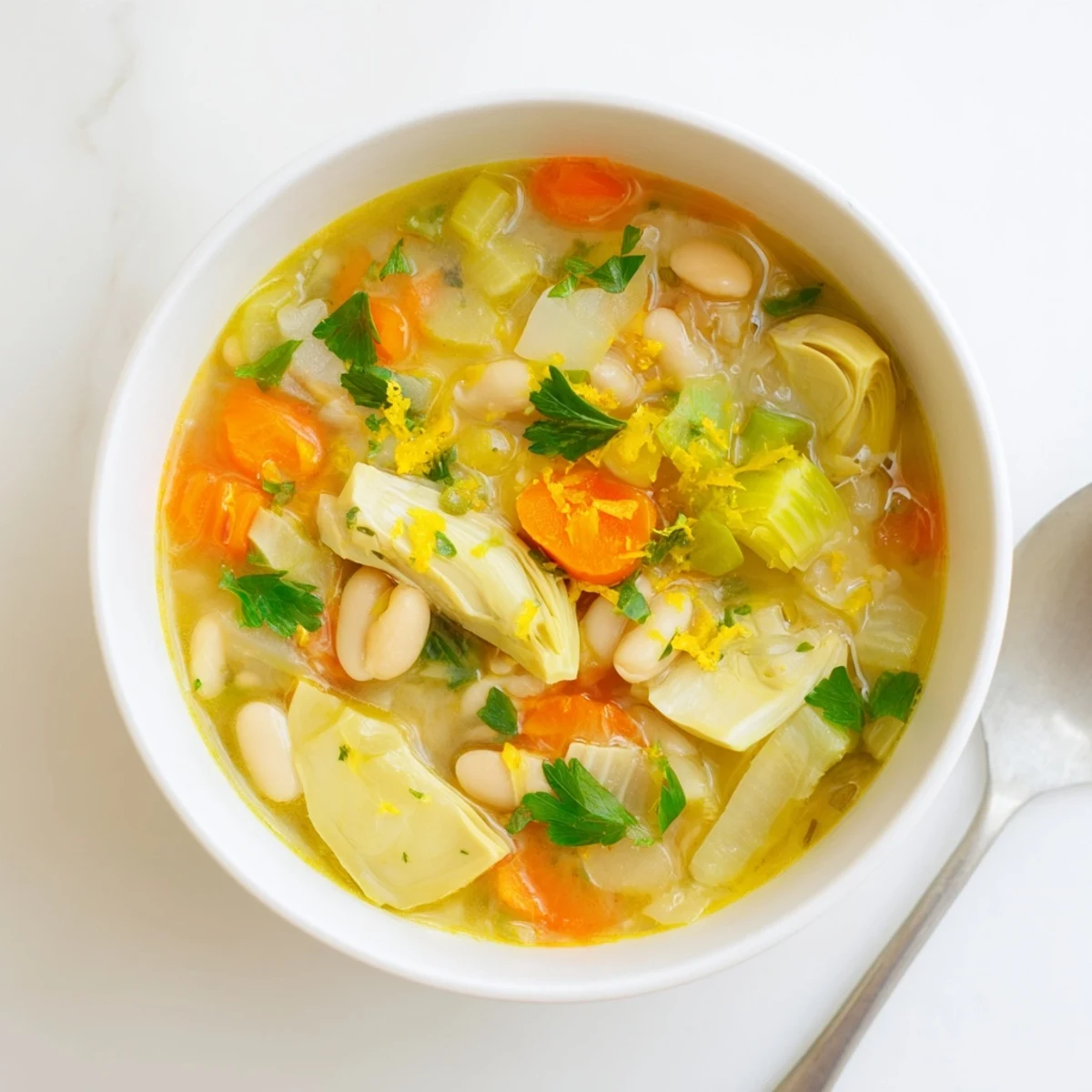
 This vibrant soup brings the essence of Tuscany to your table with tender artichoke hearts, creamy cannellini beans, and aromatic vegetables. The bright finish comes from fresh lemon zest and juice, while dried thyme and oregano add authentic Italian herbs. Ready in just 45 minutes, this versatile bowl can be partially blended for a creamy texture or left chunky for rustic appeal. Perfect with crusty bread and a sprinkle of Parmesan.
The first time I made this soup, it was a rainy Tuesday and I was craving something bright enough to cut through the gray afternoon. I'd just returned from a trip to Florence where artichokes appeared on every menu in some form, and I wanted to recreate that memory in my tiny kitchen. The lemon zest hit the hot broth and suddenly my whole apartment smelled like an Italian spring morning.
Last winter my friend Sarah came over feeling under the weather, and I swear this soup was part of her recovery. She kept asking what made it taste so alive, and I confessed it was the double hit of lemon juice and zest right at the end. Now she calls it her sick day soup, even though it's really just Tuscan home cooking.
Ingredients
- Olive oil: This creates your flavor foundation, so use something you'd drizzle on a salad
- Yellow onion: Sweetness that balances the artichoke's slight bitterness
- Celery and carrots: The classic mirepoix base that builds depth
- Garlic: Three cloves might feel generous, but it needs that aromatic punch
- Lemon: Both zest and juice, because the oils in the zest carry the brightest flavor
- Artichoke hearts: Canned work perfectly here, just give them a good drain
- Cannellini beans: Creamy without dairy, they make the soup substantial
- Vegetable broth: Use a quality brand since it's the main liquid
- Dried thyme and oregano: These earthy herbs keep it grounded
- Red pepper flakes: Optional, but that tiny warmth makes everything pop
- Fresh parsley: Adds a final burst of green and freshness
Instructions
- Build your base:
- Heat that olive oil in your big soup pot over medium heat, then add your onion, celery, and carrots. Let them soften and become fragrant for about 5 minutes, stirring occasionally. This is where the foundation gets built, so don't rush this step.
- Wake up the aromatics:
- Stir in your garlic, thyme, oregano, and red pepper flakes. You'll want to cook this for just a minute until the garlic becomes fragrant but don't let it brown. The moment that scent hits your nose, you're on the right track.
- Add the hearts:
- Toss in your artichoke hearts and cannellini beans, giving everything a good stir to combine. The artichokes should look comfortable nestled among the vegetables and beans. This is where the soup starts looking like something you'd want to eat.
- Bring it together:
- Pour in your vegetable broth and let everything come to a gentle simmer. Let it cook for about 15 minutes, just letting the flavors get to know each other. Your kitchen should start smelling incredible right about now.
- The bright finish:
- Stir in your lemon zest and juice, then season with salt and pepper. Let it simmer for just 2 or 3 more minutes. The lemon should make everything taste suddenly more alive and present.
- Choose your texture:
- Use your immersion blender to partially blend the soup, leaving some chunks for texture. Or leave it completely chunky if you prefer more substance in every spoonful. Both ways work beautifully.
- Final touches:
- Stir in your fresh parsley and give it a taste. Adjust the seasoning if needed. Sometimes it needs just a pinch more salt or squeeze of lemon to hit perfect.
- Service time:
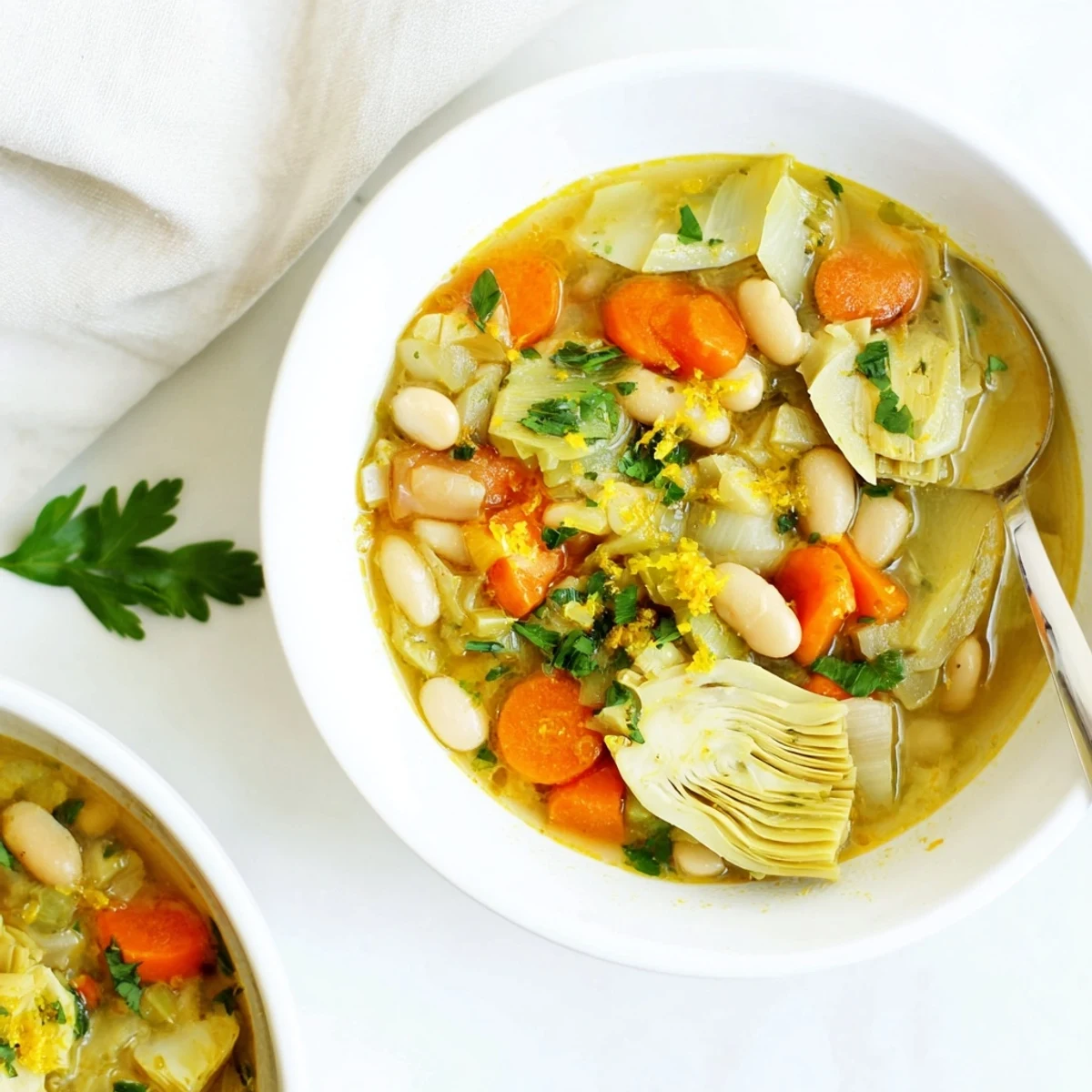
- Ladle it into bowls and add extra lemon wedges at the table. Parmesan on top if you're not keeping it vegan. Watch people's faces when that first bright spoonful hits.
 Save to Pinterest
 This became my go-to for unexpected guests because it looks impressive but is essentially cupboard cooking. I've served it to dinner party people and sick friends alike, and everyone asks for the recipe afterward. Something about that combination of creamy beans and bright artichokes just works.
Making It Your Own
Adding a splash of cream at the end turns it into something almost luxurious, though it's perfectly lovely without. I've also made it with coconut milk for a dairy-free version that adds its own subtle sweetness. The soup is remarkably forgiving and adaptable.
The Bread Question
Real talk, this soup wants bread. Tuscan bread is traditional, but any crusty loaf will do the job of soaking up that flavorful broth. I've been known to make it just because I have a heel of good bread that needs eating. That's not a bad reason to make soup.
Leftovers Actually Improve It
This soup is one of those rare dishes that tastes even better the next day. The flavors have time to marry and deepen, becoming something more complex and wonderful. I always make a double batch now.
- Store in airtight containers for up to five days in the refrigerator
- Freeze individual portions for those nights you can't cook
- Add fresh parsley when reheating to brighten it back up
 Save to Pinterest
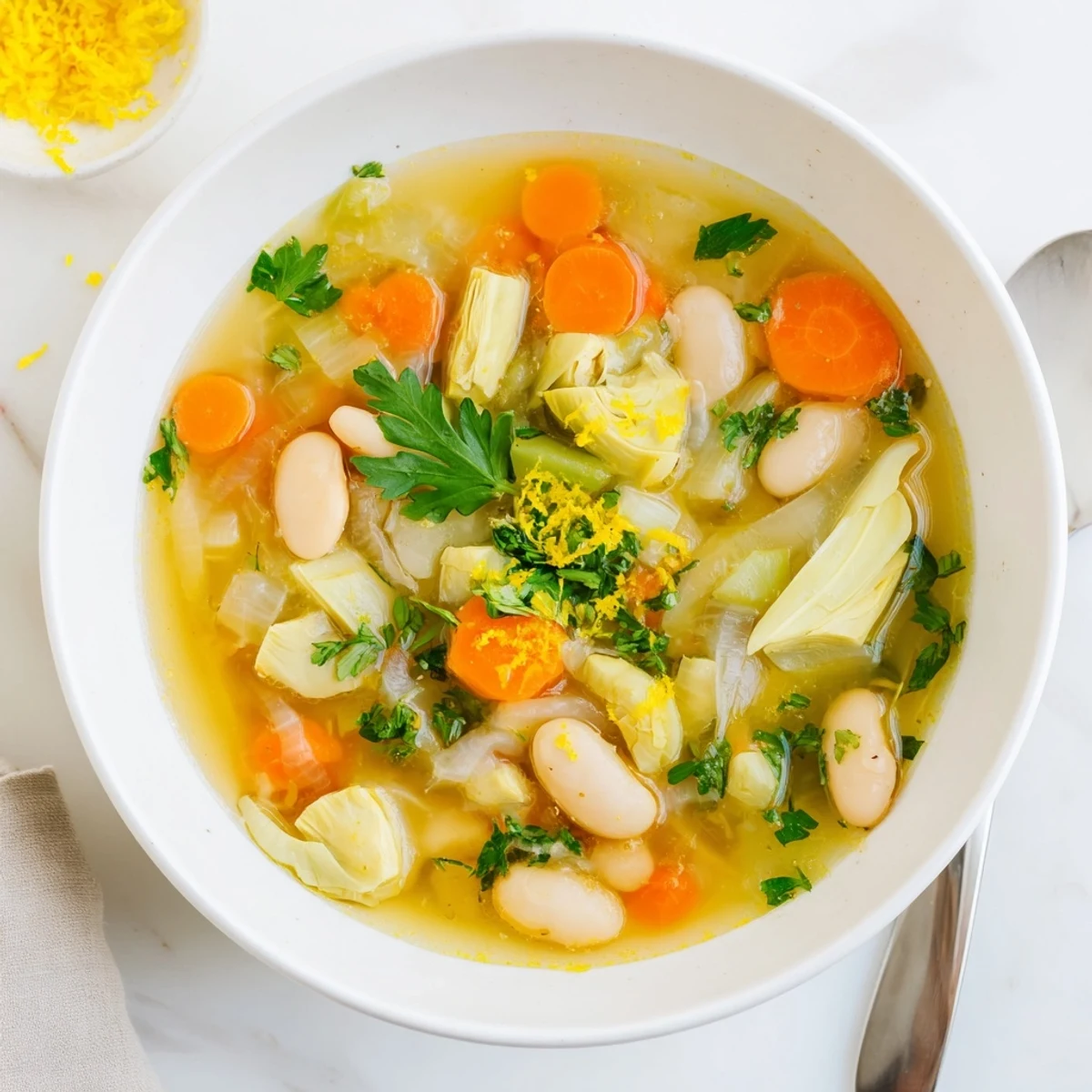
 There's something deeply satisfying about a soup that feels both light and substantial. This one hits that sweet spot beautifully.
Recipe Questions & Answers
- → Can I use fresh artichokes instead of canned?
-
Fresh artichokes work beautifully. Trim and cook them until tender before adding to the soup, or steam separately and add during the final simmer. Canned artichokes offer convenience and consistent tenderness.
- → How do I store leftovers?
-
Cool completely and refrigerate in an airtight container for up to 4 days. The flavors actually develop and improve overnight. Reheat gently over medium-low heat, adding a splash of broth if needed.
- → Can I freeze this soup?
-
Yes, freeze for up to 3 months. Leave slightly chunky before freezing as thawed textures change. Skip Parmesan garnish until serving. Thaw overnight in the refrigerator.
- → What can I substitute for cannellini beans?
-
Chickpeas, great Northern beans, or butter beans all work well. Each brings a slightly different texture and flavor while maintaining the hearty, satisfying element of the soup.
- → Is it necessary to blend the soup?
-
Not at all. Blending partially creates a creamy base with chunky bits, but leaving it entirely rustic is equally delicious. Choose your preferred texture based on mood and serving style.
- → How can I add more protein?
-
Incorporate diced chicken during the simmer, add extra beans, or stir in cooked lentils. A dollop of Greek yogurt or a sprinkle of pine nuts also boosts protein naturally.