
 Save to Pinterest
 Master the art of creating perfect Japanese takoyaki - those beloved street food favorites that combine a light, pourable batter with chunks of tender octopus. The magic happens in a special molded pan where you continuously turn each sphere until golden and crisp on all sides while staying fluffy within.
The key lies in achieving the right batter consistency - thin enough to flow freely but substantial enough to hold the filling. Each ball gets a piece of octopus along with pickled ginger, green onions, and crispy tempura scraps for texture contrast.
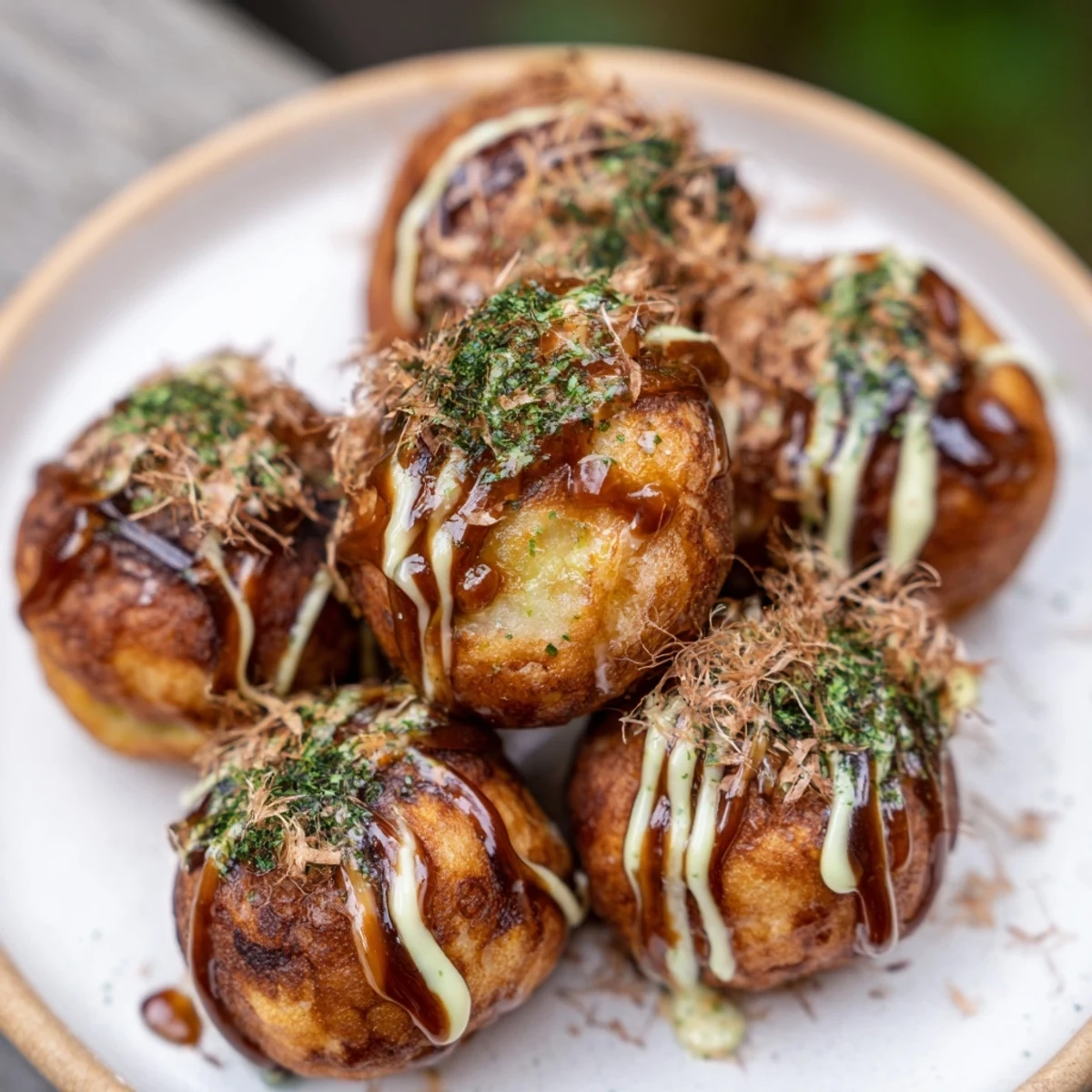
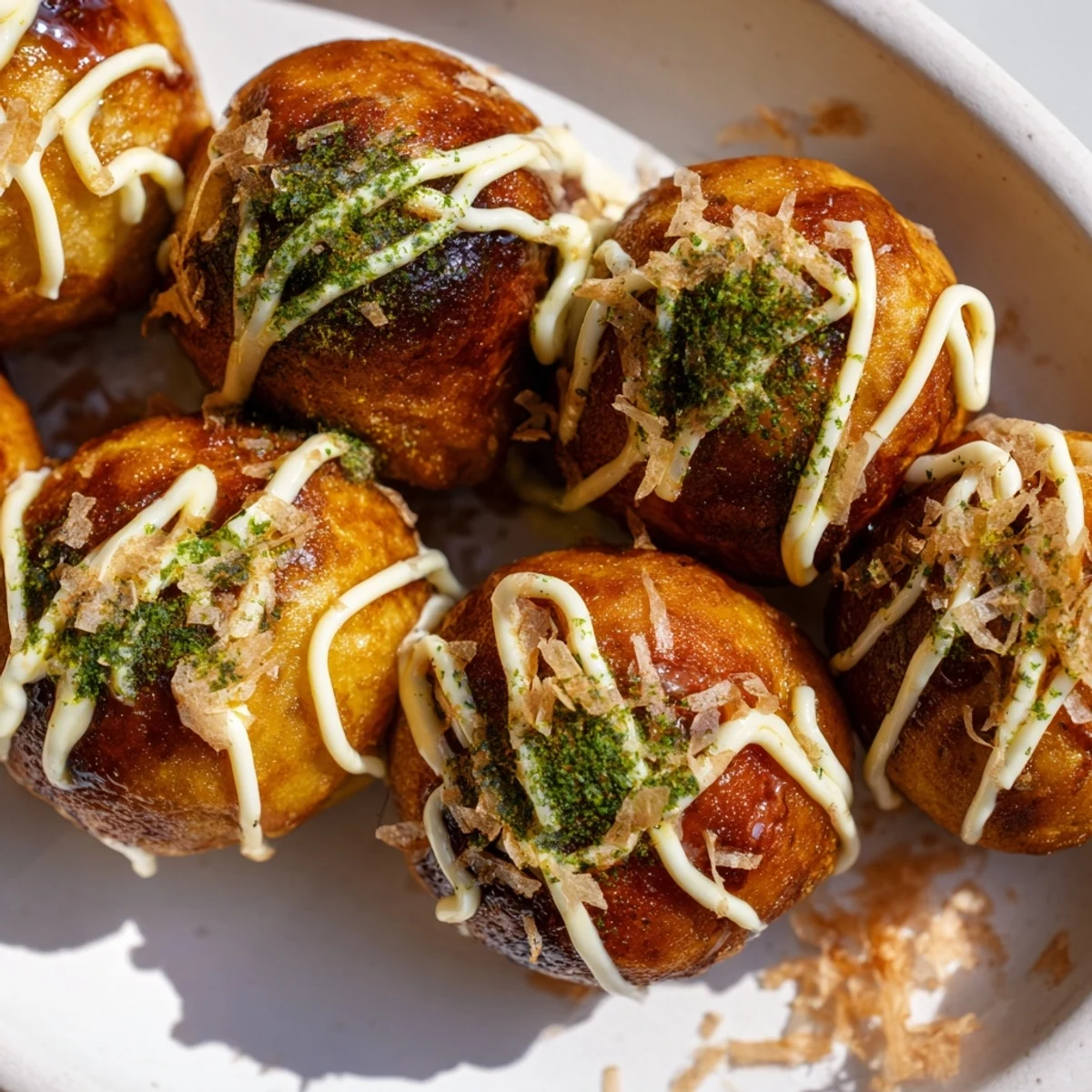
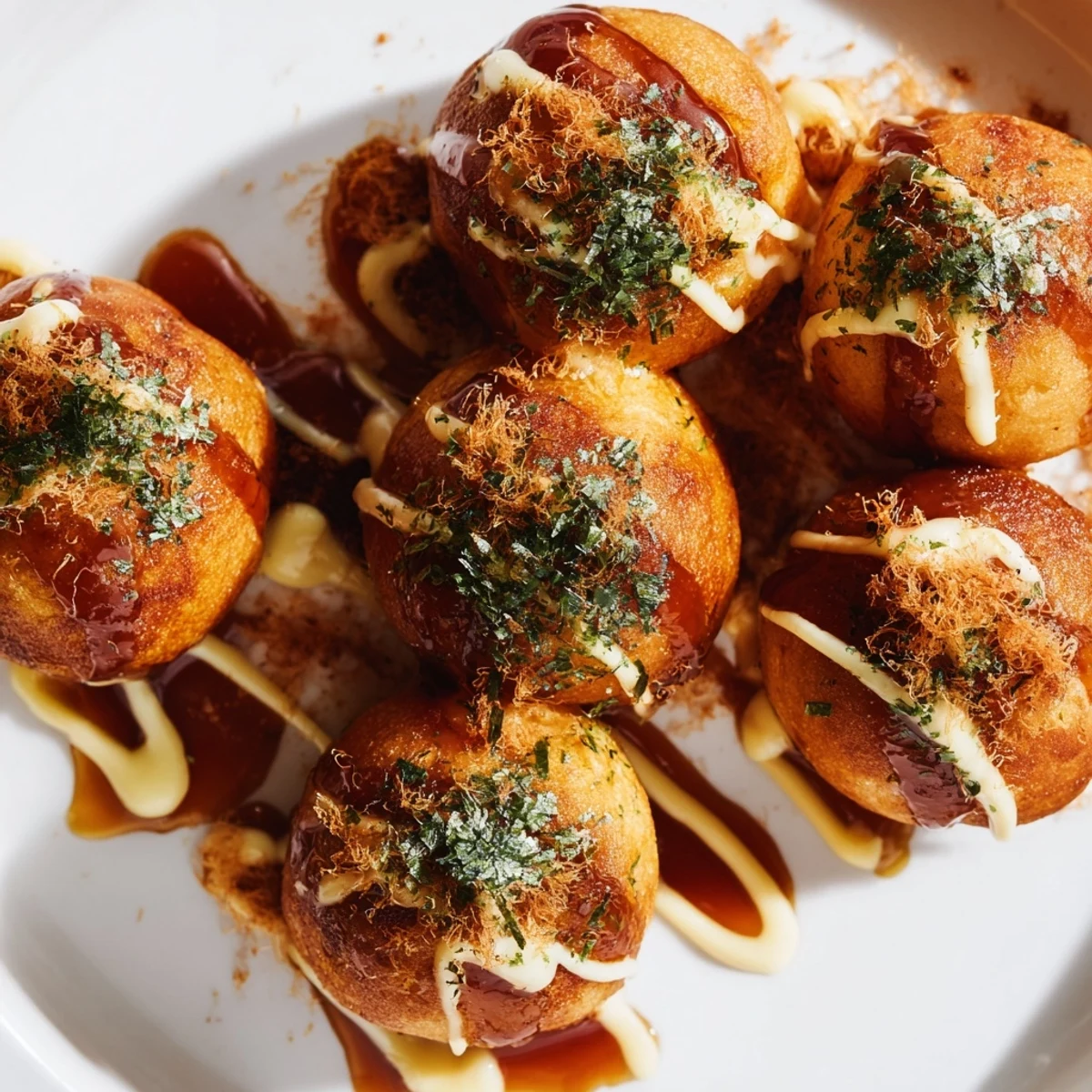
The finishing touch involves the classic trio of toppings: a rich, tangy brown sauce, creamy Japanese mayonnaise in a zigzag pattern, dried seaweed flakes, and bonito flakes that dance from the residual heat. Best enjoyed immediately while still hot and the exterior remains satisfyingly crunchy.
The first time I watched a street vendor in Osaka make these, I was mesmerized by how quickly his hands moved, turning dozens of spheres in a synchronized dance that seemed almost impossible to replicate. I bought a takoyaki pan the next week, and my first attempts were honestly hilarious misshapen blobs that refused to turn into proper balls, but my family didn't care because they tasted incredible anyway. Now I can make them while actually carrying on a conversation, though I still burn my fingers at least once every single time.
Last summer I made these for a group of friends who had never tried Japanese street food before, and watching their faces light up when the bonito flakes started dancing from the heat was honestly the best part of the whole evening. One friend kept sneaking back into the kitchen to steal them fresh from the pan, burning her mouth repeatedly but claiming they were too good to wait for.
Ingredients
- 200 g all-purpose flour: This forms the base of your batter, and I've found that measuring by weight rather than cups gives you much more consistent results
- 2 large eggs: Room temperature eggs incorporate better into the batter for that smooth texture we want
- 600 ml dashi stock: You can use water with instant dashi powder in a pinch, but making proper dashi adds such depth of flavor
- 1/2 tsp salt: Just enough to enhance the other flavors without overpowering the delicate octopus
- 1/2 tsp soy sauce: Adds that subtle umami undertone that makes these taste authentic
- 1/2 tsp baking powder: The secret to getting that light, fluffy interior despite the crispy exterior
- 150 g cooked octopus: Fresh is best, but frozen octopus works perfectly fine after thawing, just pat it dry before cutting
- 2 tbsp pickled red ginger: This adds such a wonderful tangy punch that cuts through the rich batter
- 2 tbsp green onion: Fresh onion brings a bright, sharp contrast to the savory batter
- 2 tbsp tempura scraps: These little crispy bits create amazing texture pockets inside each ball
- Takoyaki sauce: Store-bought is totally fine, or mix Worcestershire with ketchup and soy sauce
- Japanese mayonnaise: The creamy, rich element that balances the tangy sauce perfectly
- 1 tbsp aonori: Dried seaweed adds that authentic flavor and beautiful green specks
- Bonito flakes: Watch them dance on the hot takoyaki, it's part of the whole experience
Instructions
- Mix your batter until silky smooth:
- Whisk everything together until there are absolutely no lumps left, because smooth batter means evenly cooked takoyaki every single time
- Get your pan properly hot:
- Medium heat is the sweet spot, and don't skip oiling each compartment or you'll have a terrible time trying to turn them later
- Fill those holes generously:
- Pour batter all the way to the rim, then immediately add your octopus and toppings before the bottom starts to set
- Start the turning process:
- Wait about 90 seconds until you see the edges firming up, then use a skewer to gently push the edges toward the center, letting uncooked batter flow out
- Keep turning constantly:
- Rotate each ball about every minute, shaping them into perfect spheres as you go, until they're golden all over and feel firm when you poke them
- Add the final touches:
- Transfer to a plate and immediately drizzle with sauce and mayo while they're still sizzling hot, then finish with your seaweed and bonito
 Save to Pinterest
 These became my go-to comfort food during rainy weekends, something about the warm, savory centers and the ritual of making them just feels so nurturing. My kids now request them for sleepovers, and there's something so wonderful about watching a group of tweens gather around the takoyaki pan, taking turns trying to master the turning technique.
Getting The Perfect Shape
The turning technique takes practice, and I've found that using two skewers instead of one gives you much better control, especially when you're just starting out. Don't stress about making them perfectly spherical, slightly irregular ones still taste amazing and actually look more homemade and authentic.
Make Ahead Strategy
You can mix the batter up to an hour ahead and keep it refrigerated, plus pre-cut all your toppings so everything is ready to go when you start cooking. I've also par cooked takoyaki until just set, then finished them in the oven at 400°F for 5 minutes when guests arrived, though they're definitely best straight from the pan.
Serving Suggestions
Set up a toppings bar and let everyone customize their own, it's surprisingly fun and people get creative with extra mayo or spicy mustard. Serve with pickled vegetables on the side and maybe some miso soup for a complete meal experience.
- Keep extra napkins nearby because eating these can get messy
- Have your skewers or chopsticks ready before you start cooking
- Work in batches if you're serving a crowd, keeping finished ones warm in a low oven
 Save to Pinterest
 There's something so satisfying about making street food at home, and these little octopus balls never fail to bring joy to the table. Enjoy the process and don't worry about perfection, delicious is delicious no matter what shape it takes.
Recipe Questions & Answers
- → What makes the batter consistency crucial?
-
The batter must be thin and pourable, similar to crepe batter. This allows it to flow freely when turning the balls, creating perfectly round spheres. If too thick, the takoyaki won't form properly and may turn dense rather than fluffy.
- → Can I use a regular pan if I don't have a takoyaki pan?
-
A traditional takoyaki pan with half-sphere molds is essential for achieving the characteristic round shape. While you can make something similar in a regular skillet as small pancakes, they won't have the same texture or authentic appearance.
- → How do I know when the takoyaki are done cooking?
-
Perfectly cooked takoyaki should be evenly golden brown on all sides with a crisp exterior. They typically need 8-10 minutes total cooking time with frequent turning. The surface should feel firm when tapped, and they should hold their round shape easily.
- → What can I substitute for octopus?
-
Cooked shrimp, squid, or even small cubes of mozzarella cheese work well as alternatives. The cheese creates a wonderfully gooey center. Just ensure whatever filling you use is pre-cooked and cut into bite-sized pieces.
- → Is takoyaki sauce the same as okonomiyaki sauce?
-
They're very similar - both are sweet, tangy brown sauces. Takoyaki sauce tends to be slightly thicker. You can use them interchangeably or make your own by mixing Worcestershire sauce, ketchup, oyster sauce, and sugar.
- → Why do the bonito flakes move on top?
-
The bonito flakes are so thin and lightweight that they react to heat rising from the freshly cooked takoyaki, creating that famous dancing effect. This only happens when served immediately hot, which is also when they taste best.