
 Save to Pinterest
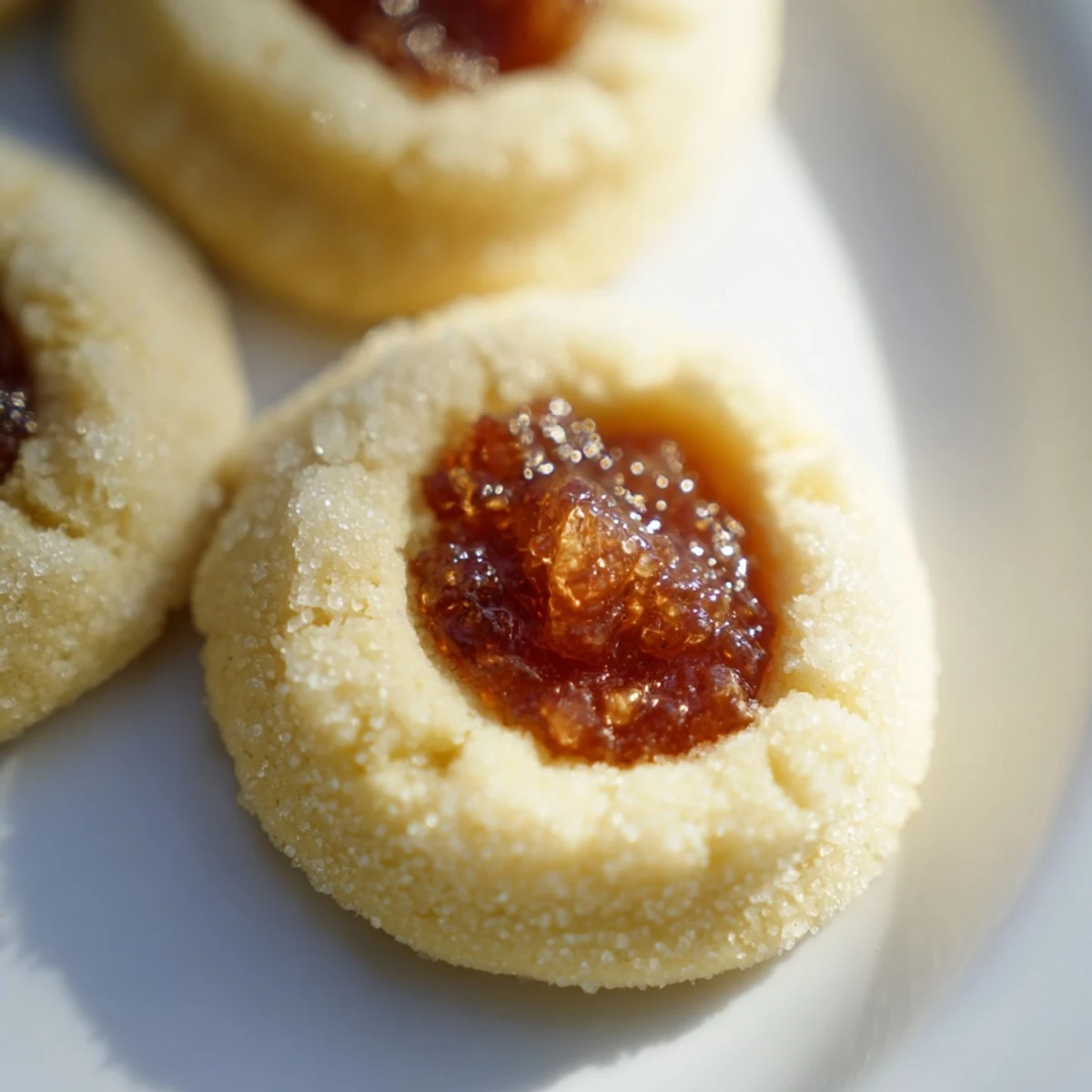
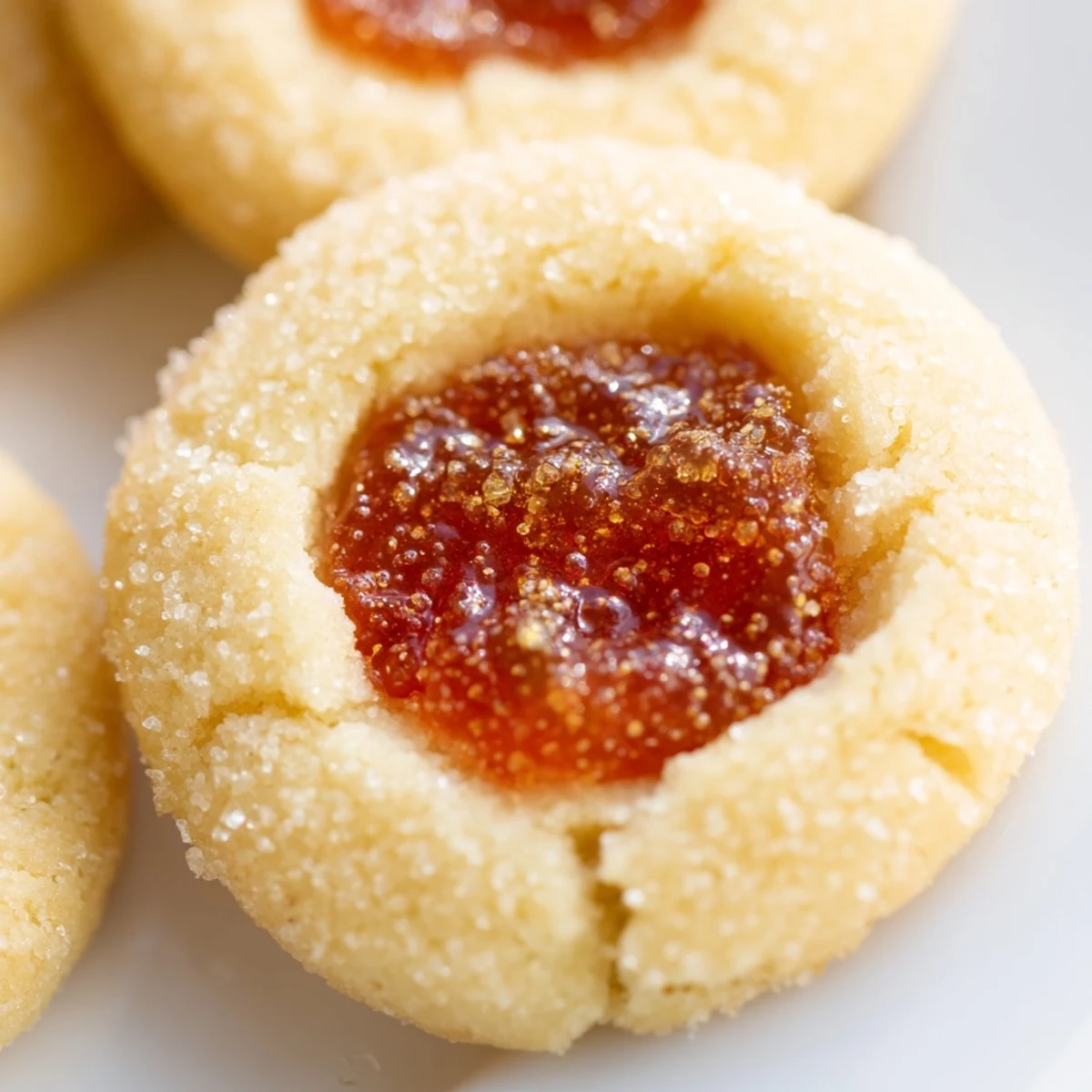
 These tender thumbprint cookies feature a rich, buttery dough that crumbles delicately, topped with vibrant flower jam centers. Each bite reveals the perfect balance of sweet creaminess and aromatic floral notes from rose, elderflower, or violet preserves. The preparation comes together quickly—just cream butter and sugar, shape the dough, press your thumb to create wells, and fill with your chosen floral preserve. After 12-15 minutes in the oven, the edges turn golden while the jam creates a glossy, jewel-like finish. A light dusting of powdered sugar adds an elegant touch, making these ideal for afternoon tea gatherings or special occasions.
The first time I encountered rose jam was at a tiny tea shop in Prague, where the owner insisted I try it with shortbread cookies. I was skeptical—flowers in food seemed like something better suited to perfume than pastry. But one bite changed everything: the subtle perfume balanced against buttery richness created this sophisticated dance I couldn't stop thinking about. I spent the next year hunting down different flower jams, and my thumbprint cookies became the one request I couldn't escape at every gathering.
Last spring, my neighbor Sarah brought me a jar of violet jam she'd made from flowers in her garden. I told her about these cookies, and we spent a rainy Sunday afternoon making batch after batch, comparing how different jams changed the whole experience. Her violet version became this stunning purple jewel in the center, while my rose jam gave off this nostalgic perfume that reminded her of her grandmother's kitchen. Now we make them together every time one of us discovers a new flower jam at the market.
Ingredients
- 225 g (1 cup) unsalted butter, softened: Room temperature butter is nonnegotiable here—cold butter won't cream properly and you'll end up with dense, tough cookies instead of tender ones that melt away
- 100 g (1/2 cup) granulated sugar: This amount hits the sweet spot where the cookie isn't cloying but still feels like a treat, letting the floral jam shine without overwhelming it
- 1 large egg yolk: Using just the yolk adds richness without making the dough too wet, which helps those pretty thumbprint wells hold their shape
- 1 tsp vanilla extract: Pure vanilla extract creates this beautiful bridge between the buttery dough and delicate floral notes
- 1/4 tsp salt: Don't skip this—it's the secret ingredient that makes all the flavors pop and keeps these from tasting one dimensional
- 250 g (2 cups) all-purpose flour: Spoon and level your flour instead of dipping directly into the bag, or your dough will turn out dry and crumbly
- 120 g (about 1/3 cup) flower jam: Rose, elderflower, violet, or orange blossom each bring their own personality—rose is classic and romantic, elderflower's more subtle and sophisticated
- Powdered sugar, for dusting (optional): This isn't just for looks—it adds this final whisper of sweetness that ties everything together beautifully
Instructions
- Preheat your oven to 175°C (350°F) and line two baking sheets with parchment paper:
- I learned the hard way that parchment paper is essential here—flower jam can bubble over and create a sticky nightmare on bare baking sheets, plus cleanup becomes effortless
- Cream together the softened butter and sugar until light and fluffy:
- Spend a solid 3 to 4 minutes on this step—those air pockets you're creating are what make these cookies tender rather than dense, and you'll notice the mixture turn pale and almost double in volume
- Beat in the egg yolk and vanilla extract until fully incorporated:
- Scrape down the sides of your bowl to make sure everything is evenly distributed—pockets of plain butter or egg yolk will create weird spots in your baked cookies
- Add the salt and flour, mixing until just combined:
- The moment you no longer see visible flour, stop mixing—overworking the flour develops gluten and you'll lose that melt in your mouth texture we're after
- Scoop tablespoon-sized portions and roll into balls:
- These cookies don't spread much, so you can space them about 5 cm apart and fit quite a few on each sheet without worrying about them merging into one giant cookie
- Create a well in the center of each dough ball:
- I use the round end of a wooden spoon to make perfect little wells—your thumb works too, but press gently and wiggle slightly to keep the sides from cracking
- Fill each indentation with about 1/2 teaspoon of flower jam:
- Don't overfill—jam expands as it heats, and I've had plenty overflow onto the baking sheet when I got too enthusiastic with the spoon
- Bake for 12 to 15 minutes, until edges are just turning golden:
- Start checking at 12 minutes—you want the barest hint of color around the edges while the centers still look slightly underbaked for that perfect tender texture
- Cool on baking sheets for 5 minutes before transferring:
- These are incredibly fragile straight from the oven—give them time to set up slightly or they'll crumble when you try to move them
- Dust with powdered sugar once completely cooled (optional):
- Use a fine mesh sieve for that professional, ethereal dusting—dumping powdered sugar directly from the sifter creates clumps that look messy
 Save to Pinterest
 My daughter now asks to help make these every time we have guests coming over. She's six, and there's something about pressing her little thumb into each dough ball that makes her feel like she's truly creating something. Last week she told me that making cookies is like making wishes—one for each person we love. That's exactly what these cookies feel like to me now: tiny edible wishes filled with flowers.
Choosing The Right Flower Jam
Rose jam delivers that classic, romantic floral note most people expect from flower desserts—it's pronounced without being perfumey. Elderflower brings this delicate, almost honey like sweetness that's incredibly subtle and sophisticated. Violet jam, if you can find it, creates the most stunning purple centers and has a light, floral flavor that's less intense than rose. Orange blossom gives you this citrus kiss that's particularly lovely in spring. I've found that darker jams like rose or violet create more visual contrast against the pale dough, making for the most impressive cookie platters.
Making These Ahead
You can roll the dough balls and freeze them raw on a baking sheet, then transfer to a freezer bag for up to three months. When you're ready to bake, let them thaw just until you can press the wells without cracking—about 15 to 20 minutes on the counter—then fill with jam and bake as directed. I've also baked them completely and frozen the finished cookies layered between parchment paper—they thaw beautifully and no one can tell they weren't baked that morning. Just don't dust them with powdered sugar until after they've thawed, or it will disappear into the cookie surface.
Serving Suggestions
These cookies practically beg to be served with something that complements their delicate floral nature. A pot of Earl Grey tea creates this beautiful synergy between the bergamot and flower notes. For something more special, try them with a glass of moscato d'Asti—the slight fizz and gentle sweetness echo the jam perfectly. I've also served them alongside plain shortbread and a selection of different jams for a build your own cookie bar that's always a hit.
- Tuck a fresh edible rose petal or small viola on the plate for a restaurant worthy presentation that takes seconds
- If you're feeling fancy, serve three different flower jam variations on one plate so guests can compare
- These make incredible gifts layered in a clear cookie jar with a pretty ribbon—just separate layers with parchment paper
 Save to Pinterest
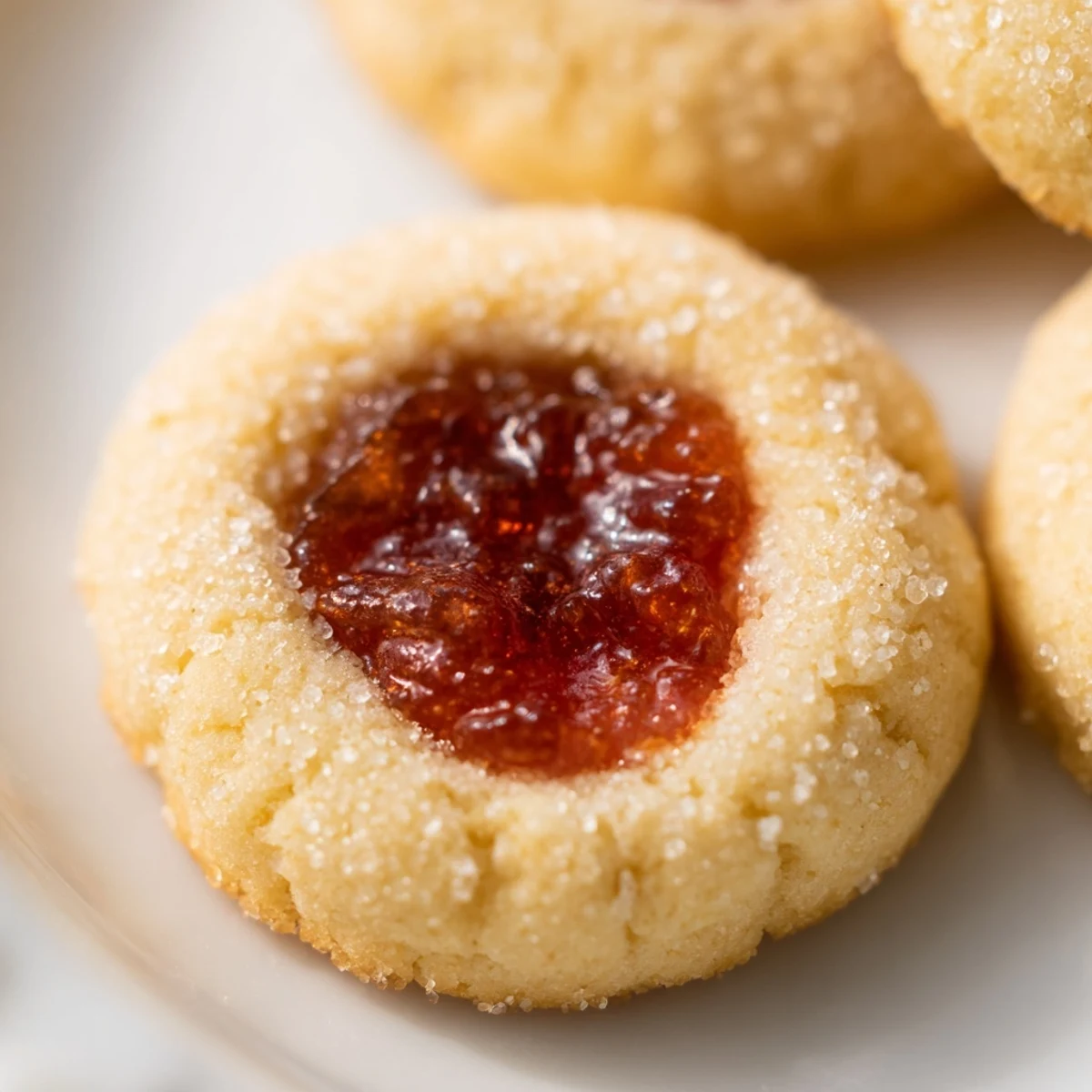
 There's something almost magical about biting into these cookies—that moment when your teeth hit the crisp buttery edge, then sink into the soft center, and finally the floral jam blooms across your tongue. They're the kind of cookie that makes people pause and close their eyes for just a second, and that right there is exactly why I keep making them.
Recipe Questions & Answers
- → What types of flower jam work best?
-
Rose, elderflower, violet, and orange blossom jams all provide beautiful floral notes. Choose high-quality preserves with real flower extracts for the most authentic aroma and flavor profile.
- → Can I use regular fruit jam instead?
-
Absolutely. While flower jam creates the intended delicate flavor, raspberry, apricot, or strawberry preserves make excellent substitutes. The texture and baking properties remain the same.
- → Why must the dough be chilled before shaping?
-
Chilled dough holds its shape better when forming the thumbprint wells. If the butter becomes too warm, the cookies may spread excessively in the oven, causing the jam to overflow.
- → How do I know when the cookies are done?
-
The edges should just begin turning golden while the centers remain slightly soft. The jam will be bubbly but set as it cools. Overbaking leads to dry, crumbly textures.
- → What's the best way to store these?
-
Keep in an airtight container at room temperature for up to 5 days. Place parchment paper between layers to prevent sticking. The jam centers remain stable and don't require refrigeration.
- → Can the dough be frozen?
-
Yes, shape the dough balls and freeze on a baking sheet before transferring to a freezer bag. Thaw briefly, add the jam wells, and bake—adding an extra minute or two to the baking time.