
 Save to Pinterest
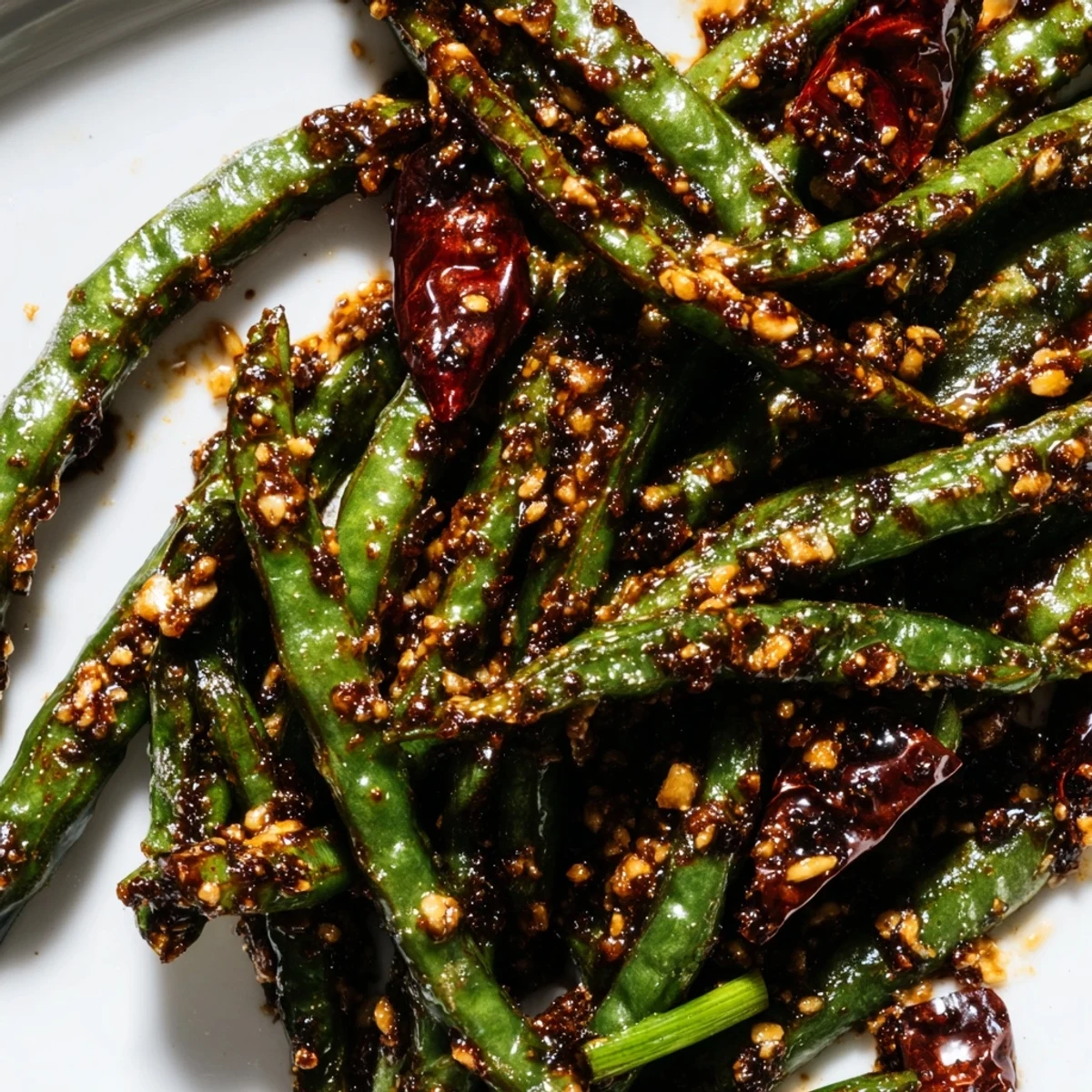
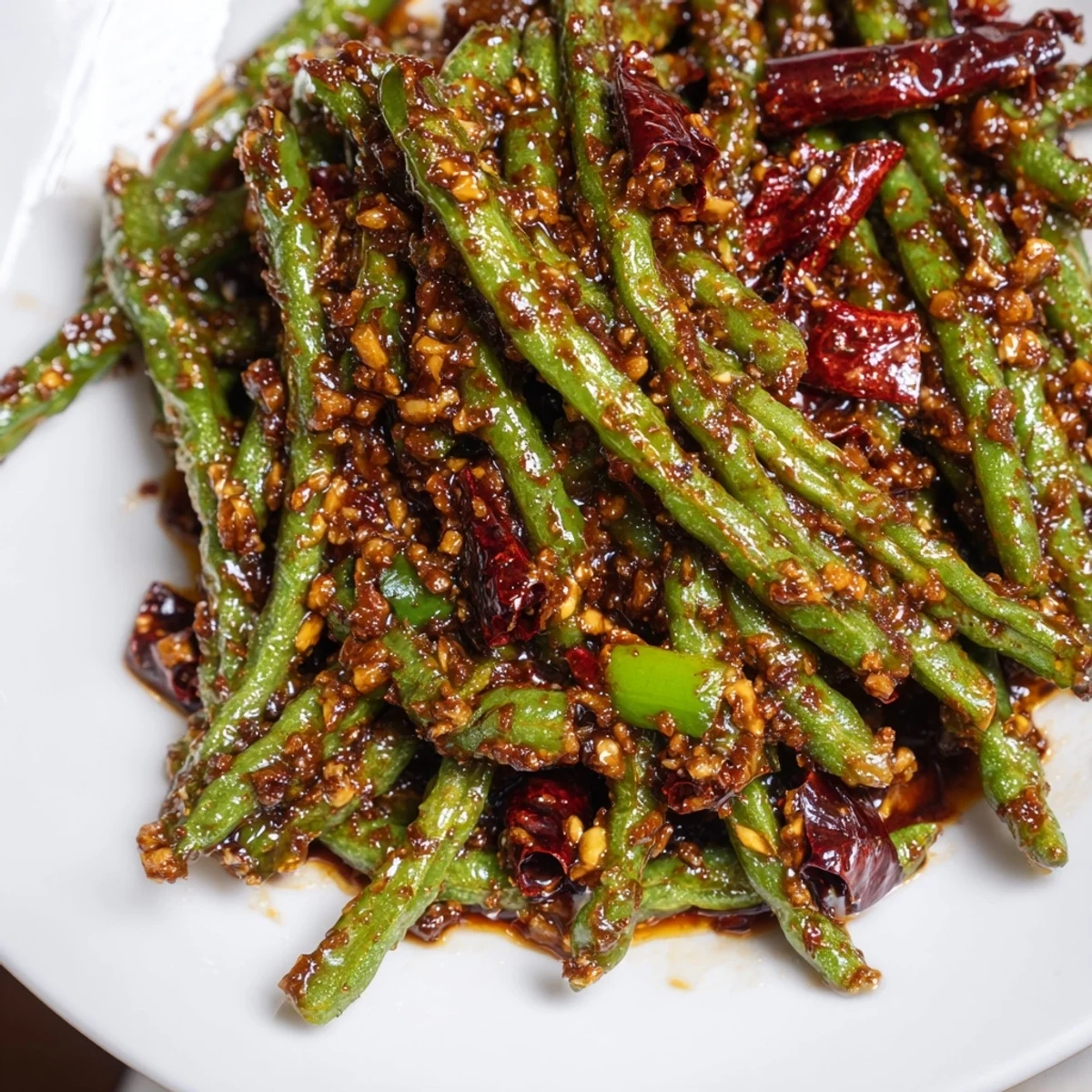
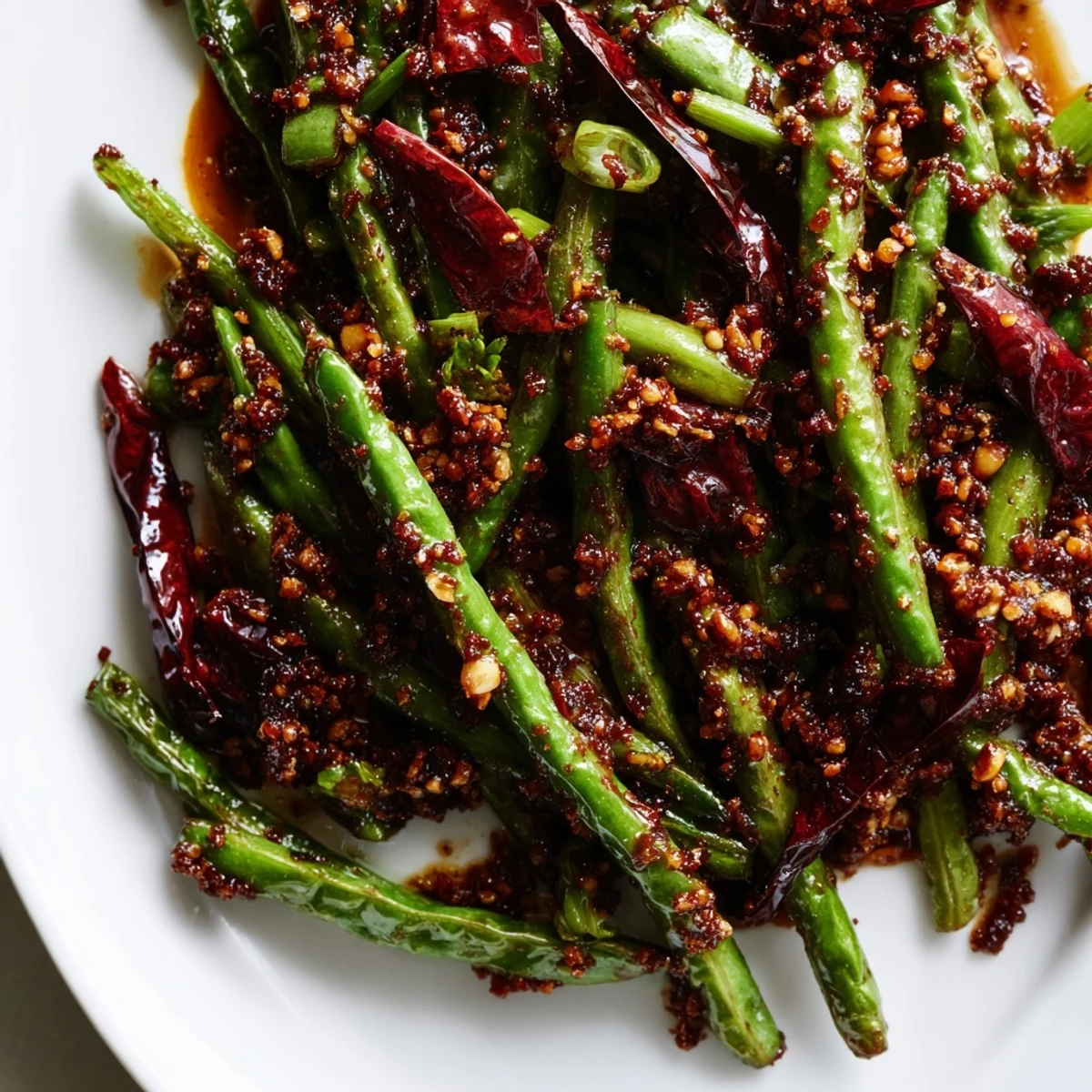
 This dish features fresh green beans stir-fried until tender-crisp and coated in a bold Szechuan chili sauce enriched with garlic, ginger, and aromatic peppercorns. The balance of heat and tang comes from chili bean paste, vinegar, and Shaoxing wine, creating a fiery yet flavorful side perfect alongside steamed rice or as part of a Chinese-inspired meal. Quick and easy to prepare, it offers a satisfying crunch and depth of spice in each bite.
There's a particular moment in a crowded Szechuan restaurant in Beijing when you first taste green beans done right—they arrive at your table glistening and blistered, and the heat hits you all at once, numbing your lips in the most addictive way. I spent years chasing that exact sensation at home before realizing the secret wasn't some exotic technique, but simply letting the beans char in a screaming-hot wok while the sauce clung to every wrinkle. Now, whenever I make this dish, that same electric tingle reminds me why I fell in love with Szechuan food in the first place.
I made this for my partner's parents during their first visit to our place, and watching them close their eyes after that first forkful felt like passing some sort of culinary test. His mom asked for the recipe immediately, which meant everything to me—it was the moment I realized this dish could bridge two different kitchen traditions. Every time I make it now, I think about that dinner and how food can do more than fill your stomach.
Ingredients
- Fresh green beans, 450 g (1 lb), trimmed: Look for ones that snap when you bend them—that's your sign they're crisp enough to blister beautifully in the wok.
- Spring onions, 2, sliced (white and green parts separated): The whites go into the aromatics for deep onion flavor, while the greens scatter on top as a fresh, peppery finish.
- Garlic, 2 cloves, minced: Don't slice or chop coarsely here—minced garlic toasts faster and distributes its warmth evenly through the beans.
- Fresh ginger, 1 tablespoon, minced: This is the bridge between the spicy heat and the vegetables, adding a sharp, clean bite that prevents the sauce from feeling flat.
- Light soy sauce, 2 tablespoons: Use light rather than dark soy sauce—it seasons without turning the beans muddy brown.
- Chinkiang (Chinese black) vinegar, 1 tablespoon: This vinegar has a malty, almost caramel-like depth that's completely different from rice vinegar or regular white vinegar.
- Szechuan chili bean paste (Doubanjiang), 2 teaspoons: The soul of this dish—fermented, salty, and bold, it's what gives you that complex spice layer underneath the fresh heat.
- Shaoxing wine, 1 tablespoon (or dry sherry): A splash of this adds a subtle sweetness and alcoholic complexity that elevates the whole sauce.
- Sugar, 1 teaspoon: Just enough to balance the heat and acidity, making the sauce taste full rather than one-dimensional.
- Toasted sesame oil, 1 teaspoon: Drizzle this in at the very end—heat destroys its fragrance, so it needs to meet the hot beans gently.
- Szechuan peppercorns, 1/2 teaspoon, lightly crushed: These create the signature numbing tingle (called ma-la) that makes Szechuan food so addictive.
- Neutral oil, 2 tablespoons (sunflower or vegetable): Use two separate tablespoons rather than all at once—the first crisps the beans, the second blooms your aromatics.
- Dried red chilies, 1–2, broken into pieces (optional): These amp up the heat, but don't eat them whole—they're flavor bombs, not food.
Instructions
- Make your sauce first:
- Whisk together soy sauce, vinegar, chili bean paste, Shaoxing wine, sugar, and sesame oil in a small bowl. The paste will resist mixing at first, but keep stirring until it's mostly dissolved—lumps are fine and will break down once they hit the hot pan. This takes 2 minutes max.
- Blister the beans:
- Heat 1 tablespoon of oil in your wok or largest skillet over high heat until it's almost smoking. Add green beans and leave them alone for a full minute before stirring—this is how they get their wrinkled, blistered skin. Shake and stir for 4–5 minutes total until they're tender-crisp and spotted with char, then push them out onto a plate.
- Build your flavor base:
- Pour the remaining tablespoon of oil into the empty pan, still over high heat. Immediately add Szechuan peppercorns and any dried chilies, letting them sizzle for about 30 seconds until the kitchen smells amazing—that's your signal they're releasing their oils.
- Toast the aromatics:
- Add your minced garlic, ginger, and the white parts of the spring onion to the fragrant oil. Stir constantly for 30 seconds—you want them soft and fragrant, not browned or bitter. This is a quick step, so don't walk away.
- Bring it together:
- Return the beans to the pan, pour in your prepared sauce, and toss everything to coat evenly. Let it cook for another 1–2 minutes, stirring gently, so the flavors meld and the beans heat through completely.
- Finish and serve:
- Scatter the green parts of the spring onion over the top, give everything one final toss, and transfer to a serving dish immediately. The beans will continue to soften slightly as they cool, so timing is everything.
 Save to Pinterest
 One evening, a friend who grew up in Chengdu took a bite and told me I'd gotten the spice balance almost right—almost, not quite. She suggested I crack my peppercorns a little less finely next time, and suddenly those beans tasted completely different, alive in a way I couldn't have achieved alone. It's funny how a tiny adjustment born from someone else's memory can transform your relationship with a dish.
The Szechuan Peppercorn Magic
Szechuan peppercorns aren't actually hot like chili peppers—they contain a molecule called hydroxy-alpha-sanshool that creates a tingling, numbing sensation on your lips and tongue. This isn't pain; it's an entirely different sensation that makes your mouth feel alive and electric. Once you understand this, you realize the whole dish is balanced between actual heat (from the chilies and chili bean paste) and this fascinating numbing effect, creating a complex flavor journey rather than simple spice.
Temperature and Timing Are Everything
Stir-frying isn't about cooking things all the way through individually—it's about building heat and momentum. Your wok or pan needs to be hot enough that the beans start charring within a minute, and the aromatics toast almost instantly. This rapid cooking keeps everything bright and prevents the vegetables from releasing too much water, which would create steam instead of that glorious high-heat sear.
Variations and Flexibility
This recipe is a canvas, and I've played with it endlessly. Some nights I blanch the green beans in salted boiling water for 3 minutes before stir-frying—this guarantees tenderness and takes the guesswork out of doneness. Other times I've added minced pork or crumbled tofu for extra substance, or thrown in a handful of cashews for unexpected crunch. You can lean harder into heat with extra dried chilies, or soften the numbing effect by using fewer peppercorns.
- A 15-second blanch before stir-frying ensures tender beans every single time, even if you forget to watch the heat.
- Keep your mise en place organized since everything moves very quickly once the wok gets hot—there's no time to chop garlic mid-cook.
- This dish tastes best eaten fresh and hot, but leftovers are delicious cold the next morning over rice or in a lunch bowl.
 Save to Pinterest
 This is the kind of dish that tastes like a celebration every time you make it, even on a quiet Tuesday night. It's become my go-to when I want to feel like I'm cooking in someone else's kitchen, in someone else's story, before bringing it back to my own table.
Recipe Questions & Answers
- → How do I achieve the perfect crisp-tender texture for the green beans?
-
Stir-fry fresh trimmed green beans over high heat for 4-5 minutes until they blister and become tender-crisp, avoiding overcooking.
- → Can I adjust the spice level of the dish?
-
Yes, vary the amount of Szechuan chili bean paste and dried red chilies to suit your preferred heat intensity.
- → Is blanching the green beans before stir-frying necessary?
-
Blanching is optional; it helps enhance crunchiness but can be skipped if you prefer a more wok-charred texture.
- → What ingredients give the sauce its distinctive flavor?
-
The combination of soy sauce, Chinkiang vinegar, chili bean paste, Shaoxing wine, sugar, and toasted sesame oil creates a balanced, bold sauce.
- → Can this preparation be paired with proteins?
-
Yes, adding minced pork or tofu can transform it into a more substantial dish without altering the core flavors.
- → What tools are recommended for cooking this dish?
-
Use a large skillet or wok for high-heat stir-frying, plus basic utensils like a spatula, mixing bowl, knife, and cutting board.