
 Save to Pinterest
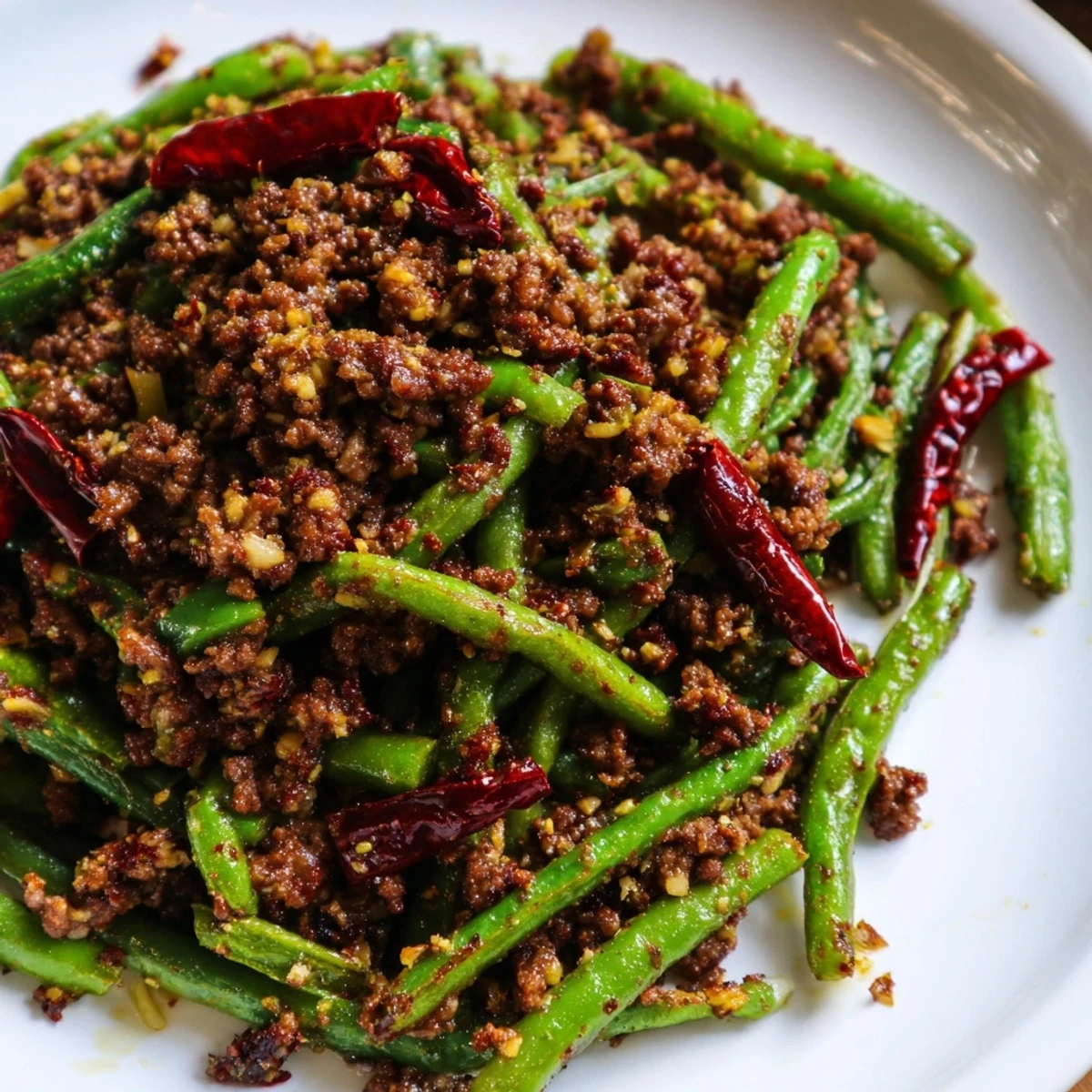
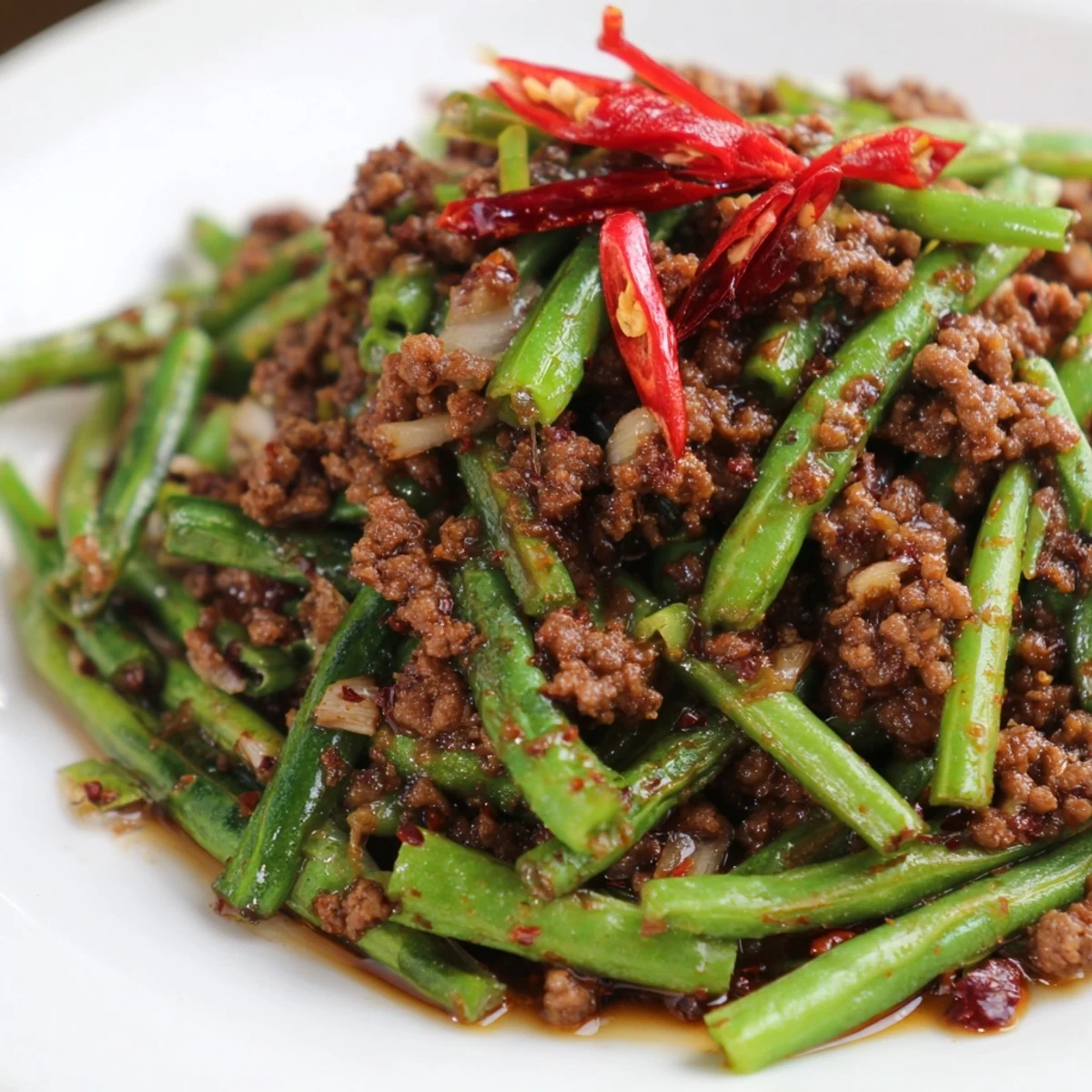
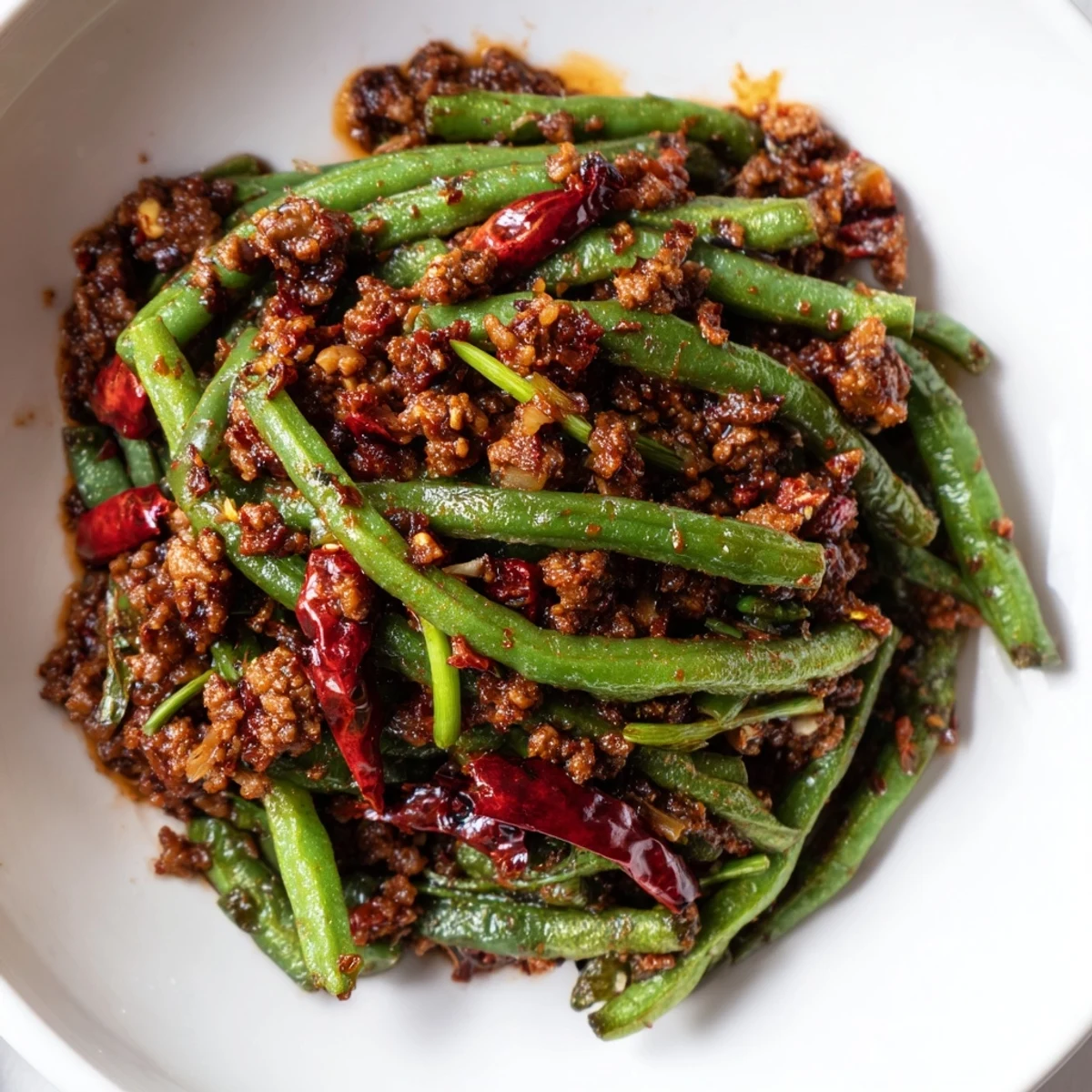
 This dish showcases crisp green beans combined with lean minced beef in a lively Szechuan-style stir-fry. Fresh aromatics like garlic, ginger, and scallions blend with cracked Szechuan peppercorns and chili bean paste to build a bold, spicy sauce. The beans are blanched to retain their vibrant color and crunch before being tossed with the beef and savory sauce. A hint of toasted sesame oil and Shaoxing wine deepen the flavor profile, while optional red chilies add extra heat. Ideal for a quick, flavorful meal served over steamed jasmine rice.
My first encounter with Szechuan green beans happened in a cramped kitchen in Shanghai, where my friend's mother cooked with the kind of speed and confidence that made me dizzy. She'd throw in handfuls of beans, toss them with beef that sizzled and browned in seconds, and somehow the whole dish came together with this electric tingle of numbing pepper that made my lips and tongue feel alive. I spent the next year trying to recreate that exact sensation, learning that the Szechuan peppercorns were the real star, not the heat itself. Now whenever I make this, that kitchen comes rushing back, along with the smell of ginger hitting hot oil.
I made this for my partner on a Tuesday night when we both got home exhausted, and somehow the smell of the stir-fry hitting the air made the whole evening feel intentional. There's something about that moment when the sauce hits the hot wok and the kitchen fills with this deep, complex aroma that makes you realize you're about to eat something special. We sat at the counter with the rice steaming between us, and we didn't say much, just ate and let the flavors do the talking.
Ingredients
- Fresh green beans (1 lb): Blanching them briefly keeps them snappy and bright green instead of soft; don't skip this step because it's what gives the dish its crunch.
- Lean ground beef (1 lb): The key is browning it properly in the beginning so it gets edges and texture, not just cooked through.
- Vegetable oil (2 tablespoons): Use neutral oil that can handle high heat without smoking or changing flavor.
- Onion, garlic, ginger, and scallions: These four work together to build the aromatic base that makes everything taste authentic.
- Szechuan peppercorns (1 tablespoon): Toast and crush them yourself if you can; it makes a difference in the flavor intensity and that famous numbing sensation.
- Chili bean paste (1 tablespoon): This is the soul of the sauce, bringing fermented depth and a gentle heat that builds as you eat.
- Soy sauce, rice vinegar, Shaoxing wine, sugar, and sesame oil: Together these balance the heat and spice with sweetness and acidity, creating a sauce that tastes intentional and complete.
Instructions
- Prepare and blanch the green beans:
- Trim your beans and drop them into boiling salted water for just 2 to 3 minutes until they turn bright green and lose their raw bite but keep their snap. The shock of cold water stops the cooking and locks in that color and texture.
- Wake up the peppercorns:
- Heat oil in your wok over medium-high heat, then add the crushed Szechuan peppercorns and let them fry for about 30 seconds until your kitchen fills with this almost citrusy, tingling aroma. This step is what makes the dish feel authentic.
- Brown the beef:
- Crumble the ground beef into the wok and cook it for 4 to 5 minutes, breaking it up as it browns so you get little bits with edges instead of chunks. Transfer it to a plate and drain off excess fat if there's a lot sitting in the wok.
- Build the aromatics:
- Add a little more oil if needed and sauté the diced onion, minced garlic, grated ginger, and the white parts of the scallions for about 2 minutes until everything softens and becomes fragrant. This is when you can really smell what's coming.
- Introduce the chili bean paste:
- Stir in the chili bean paste and cook it for about 1 minute so it loses its raw edge and releases its flavor into the oil. Then return the beef to the wok.
- Bring it all together:
- Add the blanched beans and any sliced fresh chilies for extra heat, then stir-fry everything for 2 to 3 minutes so the beans get coated and everything heats through. Pour in the soy sauce, rice vinegar, Shaoxing wine, sugar, and sesame oil, tossing constantly for another 1 to 2 minutes until the sauce clings to everything and the wok is hot and steaming.
- Finish and serve:
- Scatter the green parts of the scallions over the top right before serving so they stay fresh and bright. Serve it over jasmine rice if you want, or eat it on its own.
 Save to Pinterest
 The first time I nailed this dish was when I stopped trying to rush it and started listening to the sounds of the wok instead. The quiet sizzle when everything came together told me more than any timer ever could, and I realized that cooking this way, with attention and care, was how it was meant to taste.
The Szechuan Peppercorn Magic
If you've never experienced Szechuan peppercorns before, prepare yourself for something completely different from black pepper. They don't really burn your mouth so much as create this fascinating numbing sensation on your lips and tongue, almost like a gentle electric current. The first time you taste it, it's almost shocking, but then you find yourself going back for more because it's addictive in a way that makes sense once you understand what's happening. Buy them whole if you can and toast them yourself right before you crush them.
Making This Dish Your Own
The beauty of this stir-fry is that it's forgiving enough to bend to what you have and what you love. I've made it vegetarian by swapping mushrooms for the beef, and it was just as satisfying because the sauce is where all the flavor lives. Some nights I add thin strips of bell pepper or carrot for color and a different texture, and the dish just gets better because those vegetables soak up the sauce perfectly.
Pairing and Serving Ideas
Jasmine rice is the traditional choice because its subtle floral notes don't fight with the spice and complexity of the dish. But I've also spooned this over simple white rice, noodles, or even just eaten it straight from the wok when I couldn't be bothered with extras. If you want wine, a crisp white like Riesling actually works because the sweetness calms the numbing sensation and lets you taste all the layers.
- Leftover stir-fry tastes even better the next day when the flavors have had time to get to know each other.
- Make the sauce component ahead of time and store it in the fridge so assembly on busy nights is just a matter of cooking the beef and beans.
- If you find yourself sensitive to the numbing sensation, reduce the peppercorns and the chili paste slightly until you find your comfort zone.
 Save to Pinterest
 This dish has become one of those recipes I make when I want to feel like I'm cooking something real and interesting, something with depth and intention. It's simple enough for a Tuesday night but interesting enough that it doesn't feel like you're settling.
Recipe Questions & Answers
- → How do I keep green beans crisp in this stir-fry?
-
Blanch green beans briefly in boiling salted water, then rinse with cold water to stop cooking. This method preserves their bright color and crunch.
- → Can I adjust the spice level?
-
Yes, control heat by varying fresh red chilies or the amount of Szechuan peppercorns used. Omit chilies for milder flavor.
- → What can I substitute for ground beef?
-
Try finely chopped mushrooms or crumbled tofu for a plant-based alternative that absorbs the sauce well.
- → Is it necessary to use Shaoxing wine?
-
Shaoxing wine adds depth but can be replaced with dry sherry or omitted if preferred.
- → What tools are recommended for this dish?
-
A wok or large skillet is ideal for quick, even stir-frying. A saucepan helps blanch the green beans properly.