
 Save to Pinterest
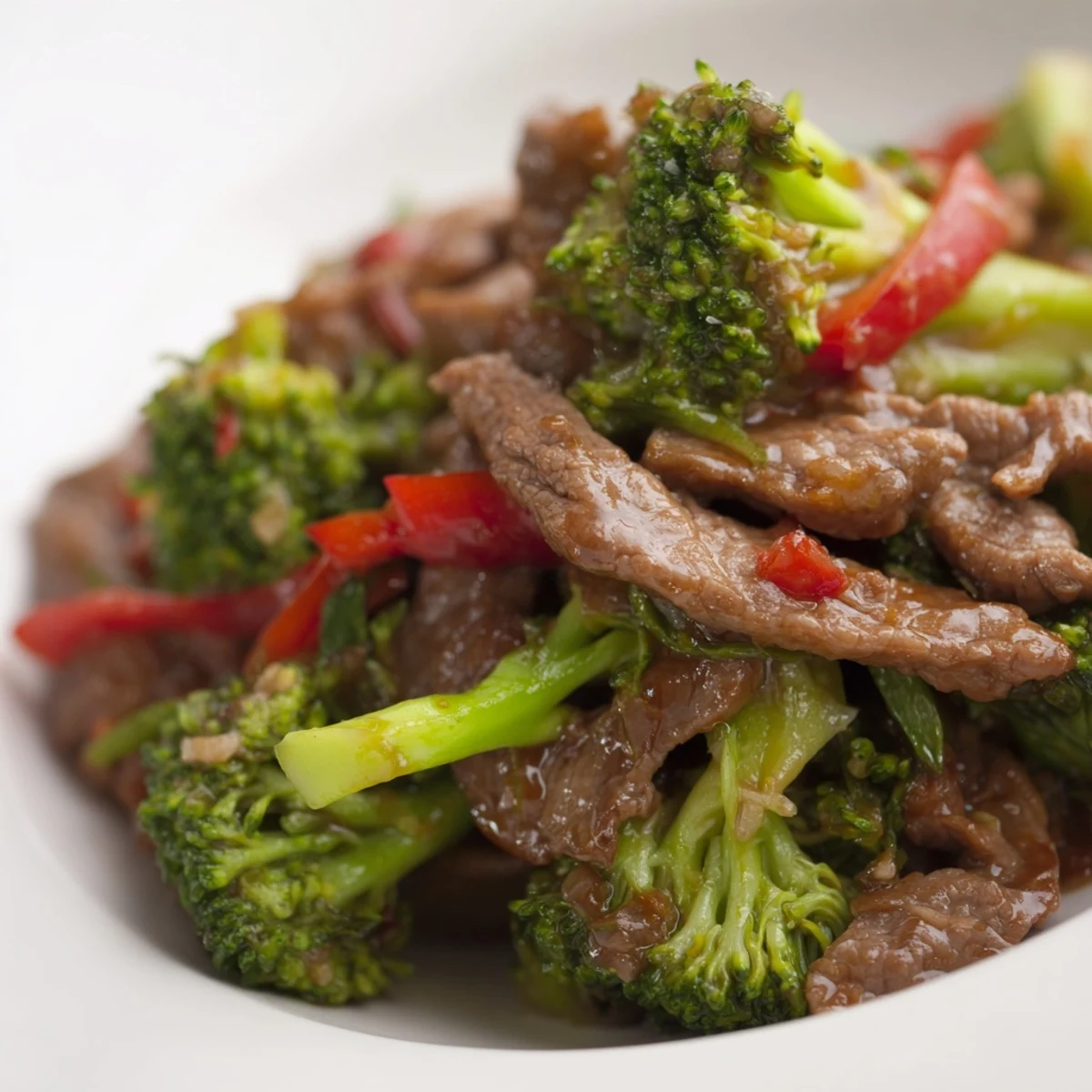
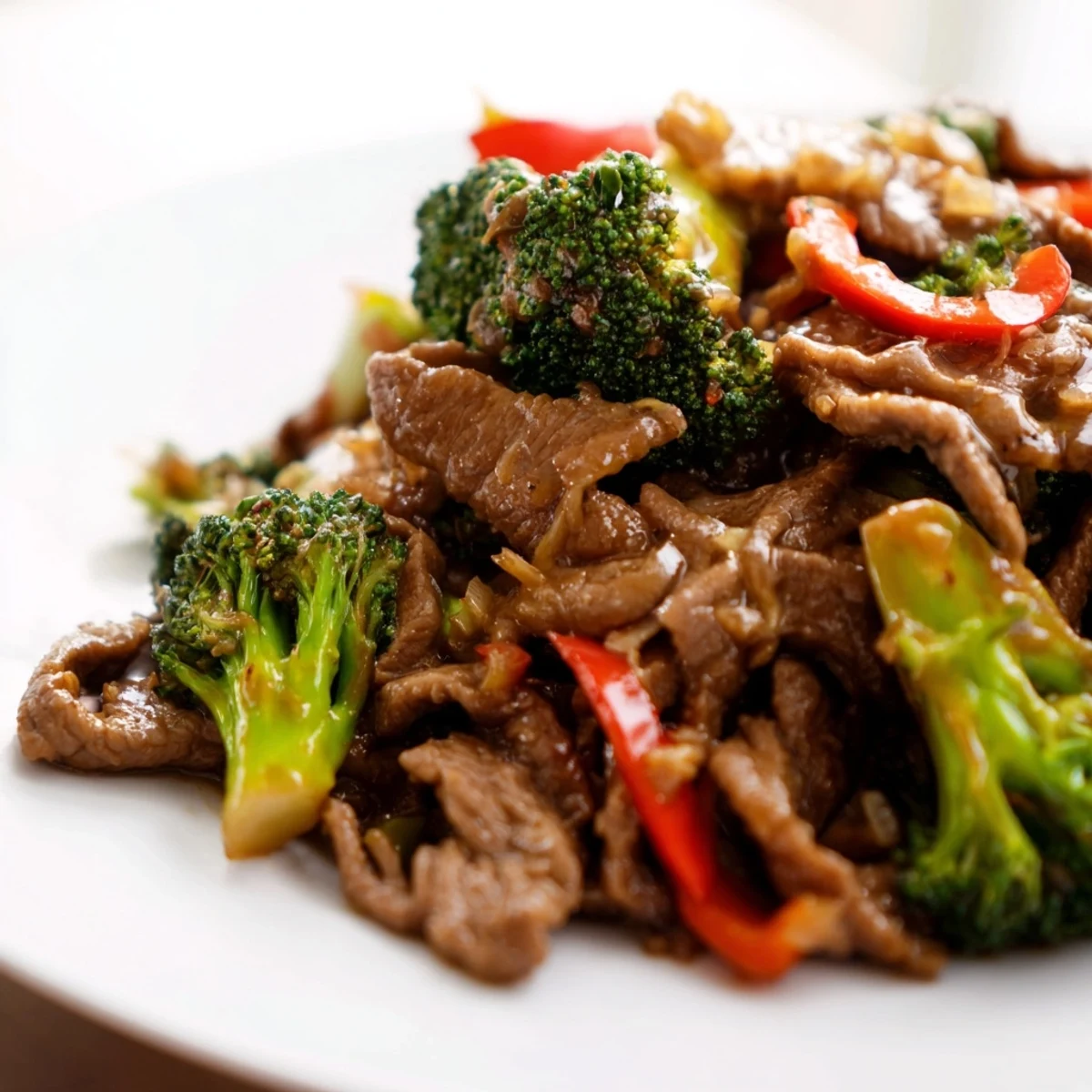
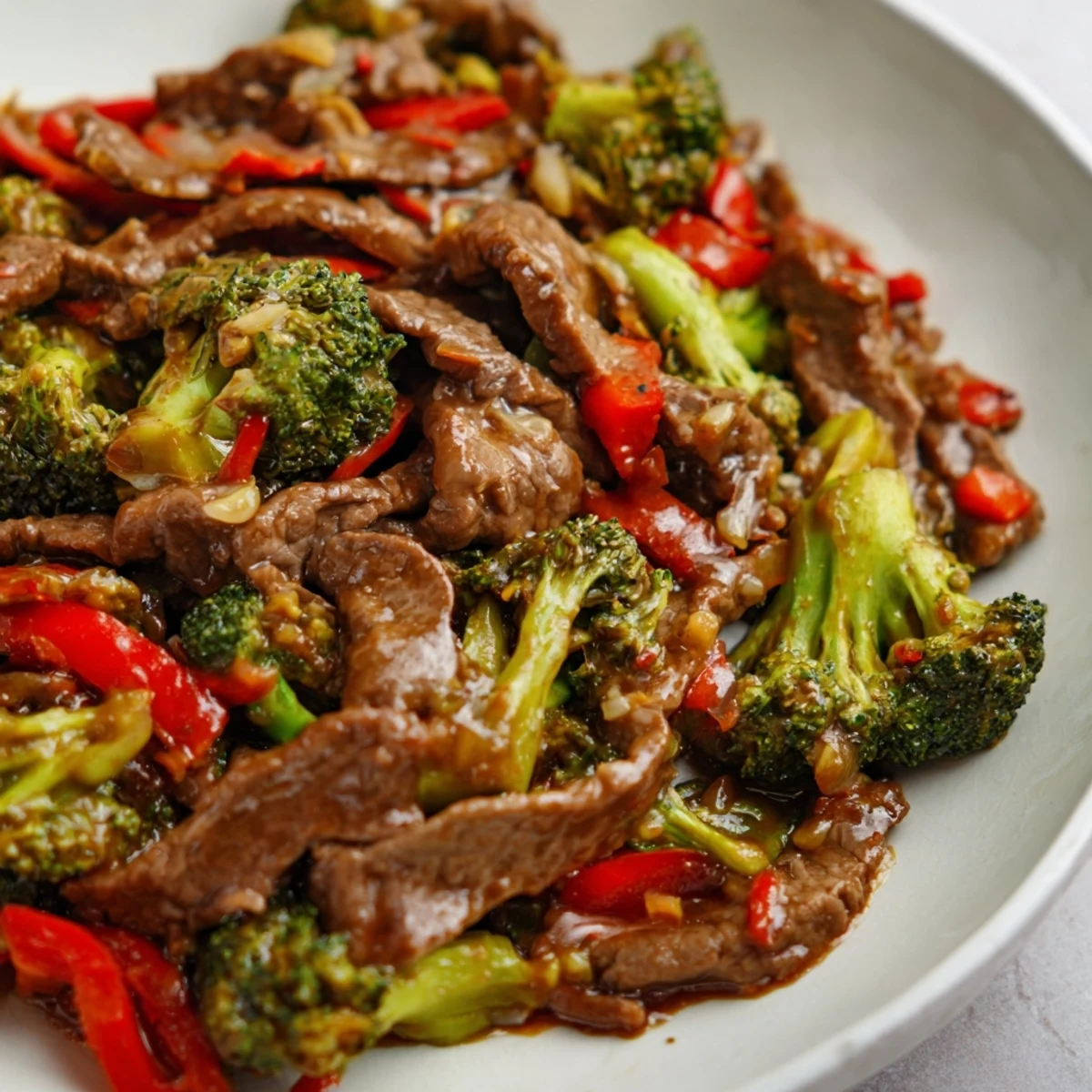
 This dish features tender beef strips marinated and seared to perfection, combined with crisp broccoli and red bell peppers. Aromatic garlic and ginger add depth while a savory spicy sauce balances sweet and heat. Cooked quickly in a wok, it’s ideal for an easy weeknight meal served over jasmine rice with optional spring onion garnish.
There's a moment in every home cook's life when they stop waiting for takeout and realize a proper stir fry can be on the table faster than delivery. For me, it happened on a Tuesday night when I had flank steak, broccoli, and that familiar tingle of Sriracha calling from the back of the cabinet. The wok hit the heat with a satisfying roar, and twenty minutes later, my kitchen smelled like the best Asian restaurant in town.
I made this for friends who showed up unannounced on a Friday evening, and watching their faces light up when they tasted it reminded me that the best meals aren't complicated—they're just cooked with attention. The sizzle of the wok became our whole conversation that night.
Ingredients
- Flank steak or sirloin, 450 g (1 lb), thinly sliced against the grain: Cutting against the grain shortens the muscle fibers, which is what makes the beef tender no matter how quickly you cook it—don't skip this step.
- Soy sauce, 1 tbsp (for marinade) plus 3 tbsp (for sauce): The umami backbone that makes everything taste savory and satisfying, though you can substitute tamari if you need gluten-free.
- Cornstarch, 2 tsp total: A pinch in the beef marinade helps seal in moisture; a pinch in the sauce thickens it to silky perfection without needing flour.
- Sesame oil, 1 tsp: Just enough to add that toasted, nutty note without overwhelming the dish—more is actually less here.
- Broccoli, 1 large head, cut into florets (about 350 g): The vegetable that taught me that proper heat and not overcrowding the pan keeps broccoli crisp, not soggy.
- Red bell pepper, 1, sliced: Adds sweetness and visual warmth; use yellow or orange if that's what you have.
- Garlic and ginger, 2 cloves and 1 tbsp minced: Added near the end so they stay fragrant without burning—timing is everything with these.
- Oyster sauce, 2 tbsp: The secret ingredient that deepens the flavor; if you have shellfish allergies, a good vegetarian oyster sauce works just as well.
- Rice vinegar, 1 tbsp: Cuts through the richness with a gentle brightness that balances the spice.
- Sriracha or chili garlic sauce, 1–2 tbsp: Start with 1 and taste before adding more; heat builds as food sits.
- Brown sugar, 1 tbsp: Rounds out the sauce by balancing heat and salt with a subtle sweetness.
- Water, 1/2 cup (120 ml): Becomes the sauce base once combined with everything else.
- Vegetable oil, 2 tbsp divided: High-heat neutral oil keeps the wok hot enough to sear without smoking off any flavor.
Instructions
- Prep everything first:
- Slice the beef against the grain, cut broccoli into similar-sized florets, mince your garlic and ginger, and have all your ingredients prepped and sitting in reach. Stir frying happens fast, and the last thing you want is to be chopping while things burn in the wok.
- Marinate the beef:
- Toss the beef strips with 1 tbsp soy sauce, 1 tsp cornstarch, and 1 tsp sesame oil in a bowl, stirring gently to coat. Let it sit while you finish prepping—even five minutes makes a difference in how the meat absorbs flavor and cooks.
- Mix your sauce:
- In a small bowl, whisk together 3 tbsp soy sauce, 2 tbsp oyster sauce, 1 tbsp rice vinegar, 1–2 tbsp Sriracha, 1 tbsp brown sugar, 1/2 cup water, and 1 tsp cornstarch. Stir until the cornstarch dissolves and the sugar mostly melts—this is your safety net for perfect seasoning.
- Sear the beef high and fast:
- Heat 1 tbsp oil in a large wok or skillet over high heat until it shimmers and just begins to smoke. Working in one layer so the beef actually browns instead of steams, add the beef and leave it alone for 2–3 minutes until the edges caramelize, then stir and cook another minute. Remove it to a plate before it overcooks; it will finish cooking when the sauce comes together.
- Cook the vegetables:
- Add the remaining 1 tbsp oil to the same wok (don't wash it—those browned bits are flavor). Toss in the broccoli and bell pepper and let them sear for 2–3 minutes without stirring constantly; you want some color on them, not just heat. Add the minced garlic and ginger, stir quickly for about 1 minute until fragrant, then watch for the moment the raw smell disappears.
- Bring it together:
- Return the beef to the wok, pour in your mixed sauce, and stir everything together. Let it bubble and thicken for 2–3 minutes, stirring occasionally, until the broccoli is crisp-tender and the sauce coats everything in a glossy sheen. Taste it and adjust heat or salt if needed—this is your moment to make it exactly how you like it.
- Serve immediately:
- Spoon everything over jasmine rice or into bowls, scatter sliced spring onions on top if you have them, and eat while it's hot. The moment the wok comes off the heat is when everything tastes best.
 Save to Pinterest
 The best part of this dish isn't the speed or even how good it tastes—it's that moment when you hand someone a bowl and they smile before they've even taken a bite, just from the smell. That's when you know you've nailed something real.
The High-Heat Secret
High heat is not just a preference in stir frying; it's the whole point. The wok needs to be hot enough that oil shimmers and beef sizzles the instant it touches the surface—that's what creates color and flavor instead of pale, steamed meat. If your stove doesn't get hot enough or your wok sits too far from the flame, you're fighting physics, and the dish suffers. Once you understand that high heat is your friend, stir frying stops being scary and becomes one of your fastest, most reliable dinner moves.
Building Your Sauce Balance
What makes this sauce work is the interplay of salty (soy and oyster sauce), tangy (rice vinegar), hot (Sriracha), and sweet (brown sugar). None of those flavors dominates; instead, they lean against each other and create something that tastes more complete than any single ingredient could manage. You might taste it and want more heat one day and more sweetness another—that's not a failure, that's you discovering what your palate wants right now.
Vegetables Beyond Broccoli
Broccoli is the backbone of this dish, but it's not the only vegetable that works. Snow peas add a tender sweetness, broccolini gives you more of that charred leaf flavor, snap peas bring a juicy crunch, and sliced mushrooms add umami that deepens the whole thing. The trick is keeping your vegetable pieces similar in size so they cook evenly, and respecting the timing—tender vegetables go in near the end so they stay bright and crisp.
- Add mushrooms or firmer vegetables first if you use them, since they need more time than broccoli.
- Keep pieces consistent in size so everything finishes cooking at the same moment.
- If using delicate vegetables like bok choy or spinach, add them in the last thirty seconds so they barely wilt.
 Save to Pinterest
 This stir fry has become the meal I make when I want to feel like a capable cook in the shortest time possible, and when I want to feed people something that tastes like care without spending an evening in the kitchen. That's the whole point.
Recipe Questions & Answers
- → How do I tenderize the beef for this dish?
-
Marinate the thinly sliced beef with soy sauce, cornstarch, and sesame oil for a few minutes; this helps tenderize and locks in flavor during cooking.
- → Can I substitute broccoli with other vegetables?
-
Yes, broccolini, snow peas, or snap peas are great alternatives that maintain the dish's crisp texture and freshness.
- → What level of spiciness can I expect?
-
The heat mainly comes from Sriracha or chili garlic sauce; you can adjust the amount to suit your preferred spice level.
- → Is this dish gluten-free?
-
To make it gluten-free, replace soy sauce with tamari and choose a gluten-free oyster sauce or a vegetarian substitute.
- → How do I prevent vegetables from becoming soggy?
-
Stir-fry the vegetables quickly over high heat to keep them crisp-tender, avoiding overcooking that leads to sogginess.