
 Save to Pinterest
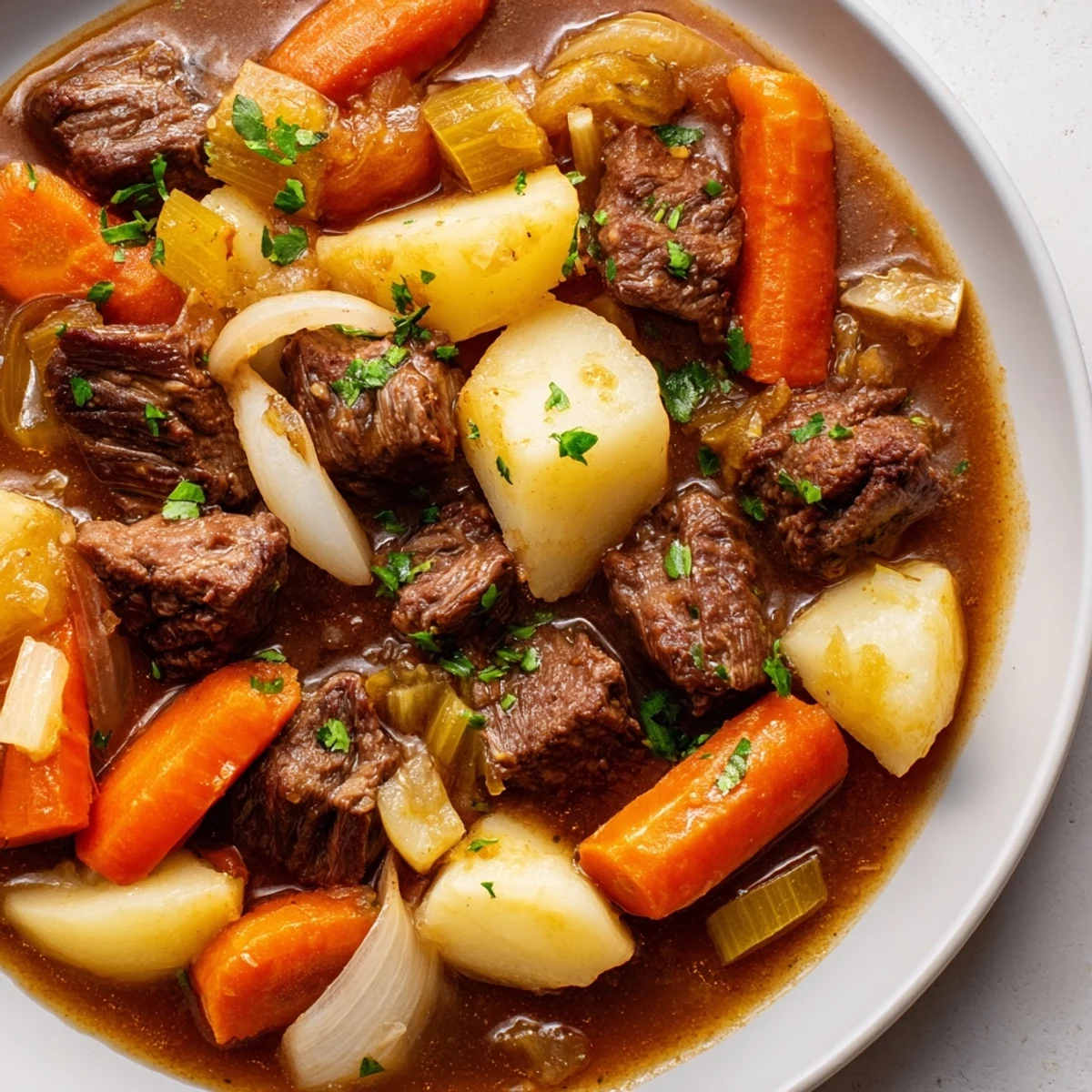
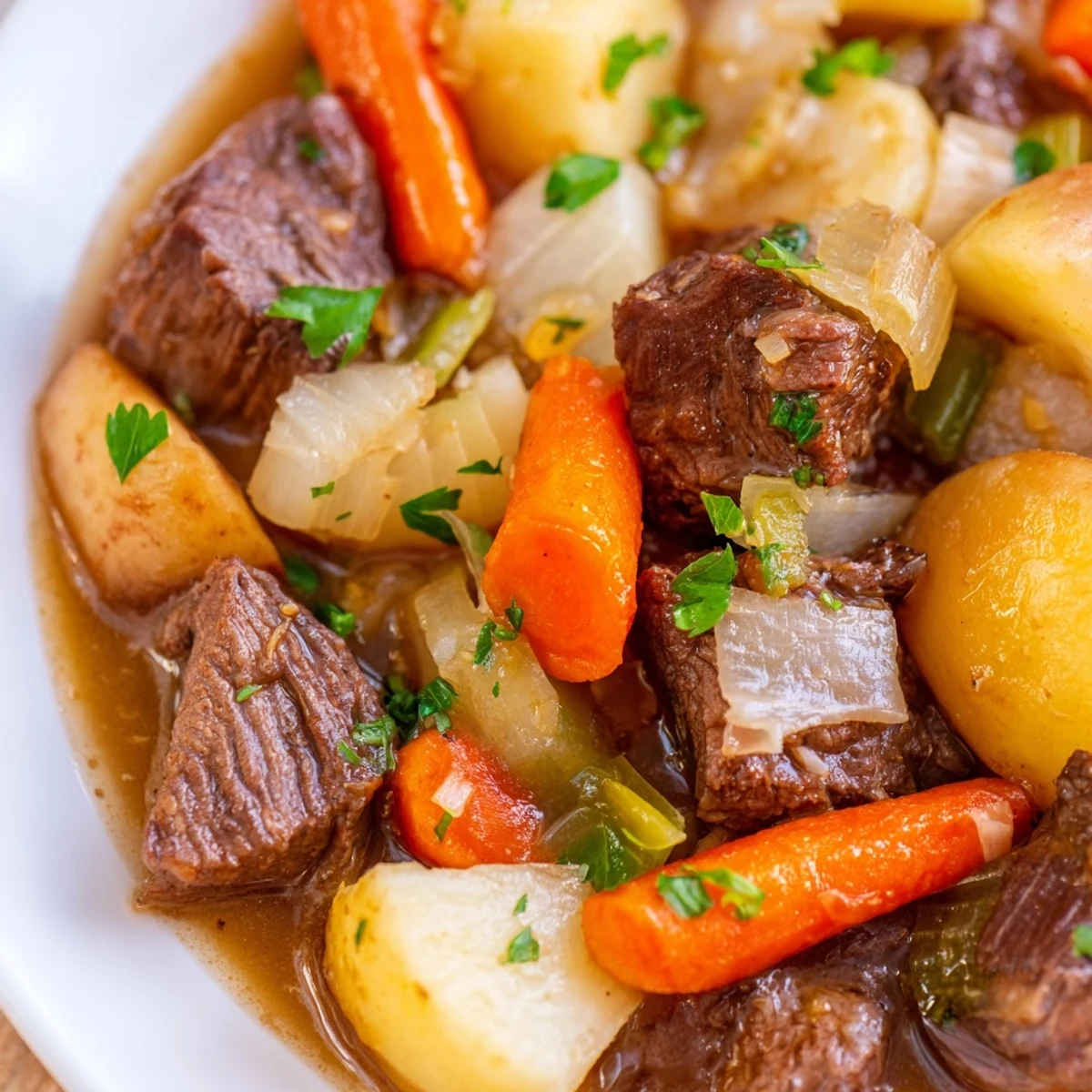
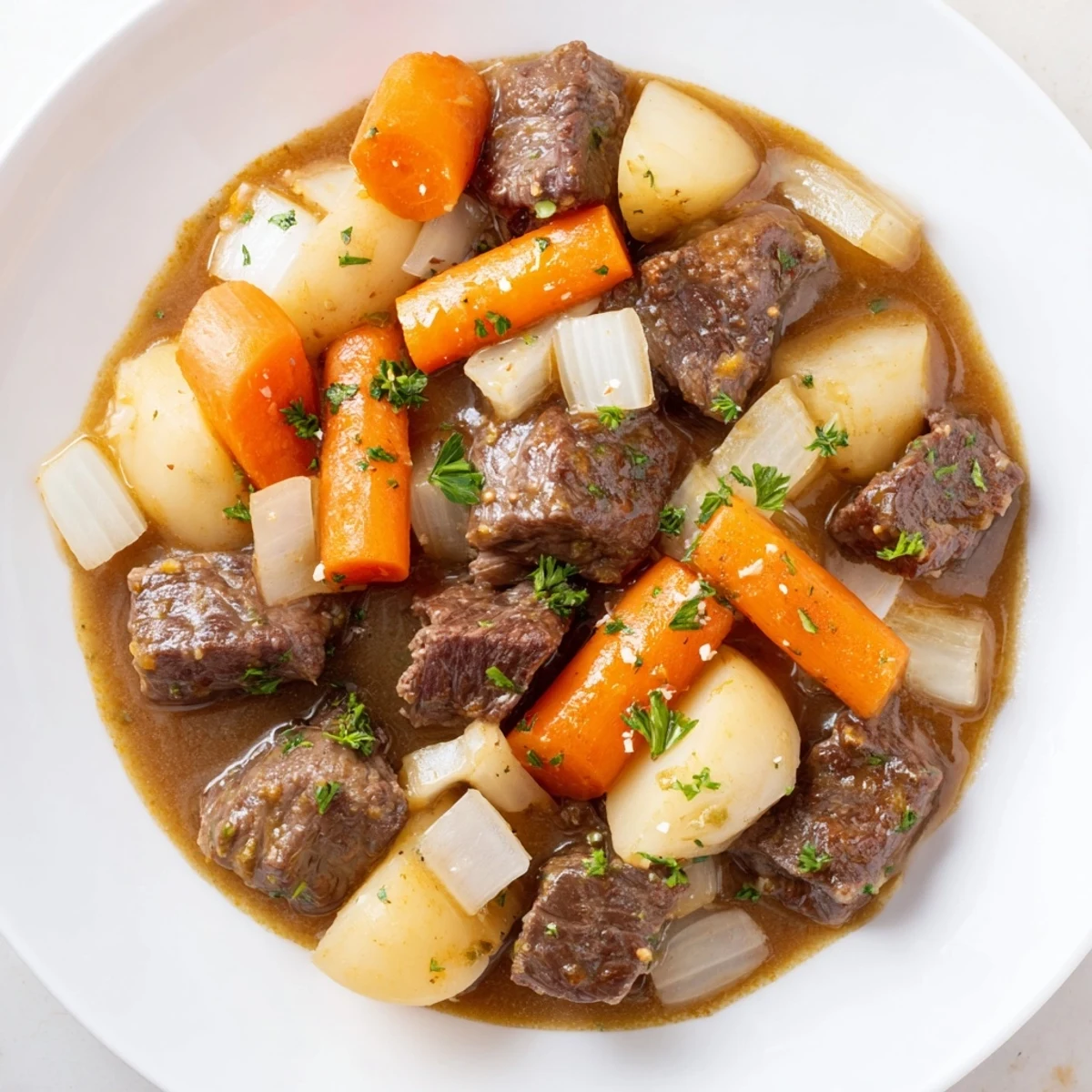
 This dish features tender beef chunks slowly simmered with a medley of root vegetables like carrots, parsnips, and potatoes. Aromatic herbs such as bay leaves, thyme, and rosemary infuse the broth, enriched with tomato paste and optional red wine. Cooking gently for up to two hours creates a rich, flavorful base that’s both satisfying and comforting. Garnished with fresh parsley, it pairs beautifully with crusty bread or mashed potatoes for a warm, hearty meal ideal for cooler days.
The winter my old radiator kept rattling at 3am, I started making this beef stew every Sunday. Something about tending a pot for two hours made the apartment feel warmer, even when the heating was acting up. Now the smell of rosemary and red wine simmering takes me right back to that drafty kitchen, watching steam fog up the windows while snow piled up outside.
My neighbor Mrs. Henderson used to peek through her doorway whenever she caught the aroma, claiming she could tell when I remembered the tomato paste. That small detail really does make the broth taste deeper and richer. She was right about the cornstarch too, though I still debate whether the velvety texture is worth the extra step.
Ingredients
- 2 lbs beef chuck: Chuck has the perfect marbling for long simmering, staying tender while leaner cuts would turn tough and stringy
- 3 medium carrots: These hold their shape beautifully after hours of bubbling away
- 2 parsnips: Their natural sweetness balances the savory beef and adds a subtle earthy note you cannot get from anything else
- 2 medium potatoes: Russets or Yukon Golds work best for that fork-tender bite without falling apart completely
- 1 large onion: Yellow onions caramelize nicely in the beef drippings, building that essential flavor foundation
- 2 celery stalks: They provide a subtle background savory note that keeps the stew from tasting one-dimensional
- 3 cloves garlic: Freshly minced garlic mellows into sweet notes during the long simmer
- 4 cups beef broth: A quality broth makes all the difference here since it becomes the body of your stew
- 1 cup dry red wine: Cabernet or Merlot adds depth and acidity, though extra broth works if you prefer not to cook with wine
- 2 tbsp tomato paste: This small addition creates a rich, umami-packed base that makes the stew taste like it simmered all day
- 2 bay leaves: They impart a subtle herbal fragrance that says comfort food
- 1 tsp dried thyme: Earthy and slightly floral, thyme pairs perfectly with beef and root vegetables
- 1 tsp dried rosemary: Pine-like and aromatic, just a teaspoon transforms the whole pot
- Salt and pepper: Season generously at each stage for layers of flavor
- 2 tbsp olive oil: You need a neutral oil with a decent smoke point for proper browning
- 2 tbsp cornstarch: Optional, but creates that luscious velvety texture restaurant stews always seem to have
- Fresh parsley: A scattering of bright green parsley makes everything look finished and inviting
Instructions
- Get your beef ready:
- Pat those cubes completely dry with paper towels and season them generously with salt and pepper on all sides
- Brown the beef in batches:
- Heat your olive oil in a large Dutch oven over medium-high heat, then add beef in a single layer without overcrowding so each piece develops a proper crust
- Sauté the aromatics:
- In the same pot, cook your onion, celery, and garlic for about 4 minutes until they soften and start to smell amazing
- Add the tomato paste:
- Stir it in and let it cook for a full minute until it darkens slightly and smells caramelized, not raw
- Combine everything:
- Return the beef to the pot along with carrots, parsnips, and potatoes
- Add the liquids and herbs:
- Pour in your beef broth and wine, then tuck in the bay leaves, thyme, and rosemary
- Let it simmer gently:
- Bring everything to a boil, then reduce to low and cover tightly
- Wait patiently:
- Let it bubble away for 1.5 to 2 hours until the beef yields easily to a fork
- Thicken if you like:
- Whisk cornstarch with cold water until smooth, then stir into the stew and cook for 5 minutes until it coats the back of a spoon
- Finish and serve:
- Fish out those bay leaves, taste and adjust the seasoning, then ladle into bowls and scatter with fresh parsley
 Save to Pinterest
 The night my brother got dumped, he showed up at my door with a bag of groceries and asked if I could make that stew. We sat at my tiny kitchen table eating bowl after bowl, not saying much about heartbreak but talking about everything else instead. Some recipes are just meant for moments when words feel like too much effort.
Choosing Your Vegetables
I have learned that firmer vegetables like carrots and parsnips should be cut slightly larger than potatoes since they take longer to soften. The parsnips add such a lovely sweetness that people can never quite identify. Turnips work beautifully too if you want something with a little more bite.
Wine Selection
Any decent red wine you would actually drink works perfectly here, so do not waste money on anything fancy. I keep whatever leftover wine I have from the week in a small jar specifically for stews. The alcohol mostly cooks off anyway, leaving just depth and richness behind.
Make-Ahead Magic
This stew tastes noticeably better after resting in the refrigerator overnight, which makes it perfect for entertaining. The flavors really meld together and the beef becomes impossibly tender. I always make it a day ahead when I am having people over.
- Cool the stew completely before refrigerating to prevent bacterial growth
- Reheat gently over low heat, adding a splash of broth if it seems too thick
- The stew keeps well in the freezer for up to three months if you want to batch cook
 Save to Pinterest
 There is something deeply satisfying about a recipe that asks so little of you but gives so much in return. May your kitchen be warm and your stew pot never empty.
Recipe Questions & Answers
- → What cut of beef works best for this stew?
-
Beef chuck is ideal due to its marbling and ability to become tender during slow cooking.
- → Can I substitute the root vegetables?
-
Yes, turnips or rutabaga can replace parsnips; carrots and potatoes provide balance and texture.
- → How can I thicken the stew broth?
-
Mix cornstarch with cold water to create a slurry and stir it in during the last 5 minutes of cooking.
- → Is it necessary to use red wine?
-
Red wine is optional and can be replaced with additional beef broth without affecting overall flavor significantly.
- → What herbs enhance the flavor of this dish?
-
Bay leaves, dried thyme, and rosemary add depth and a pleasant aroma to the stew.