
 Save to Pinterest
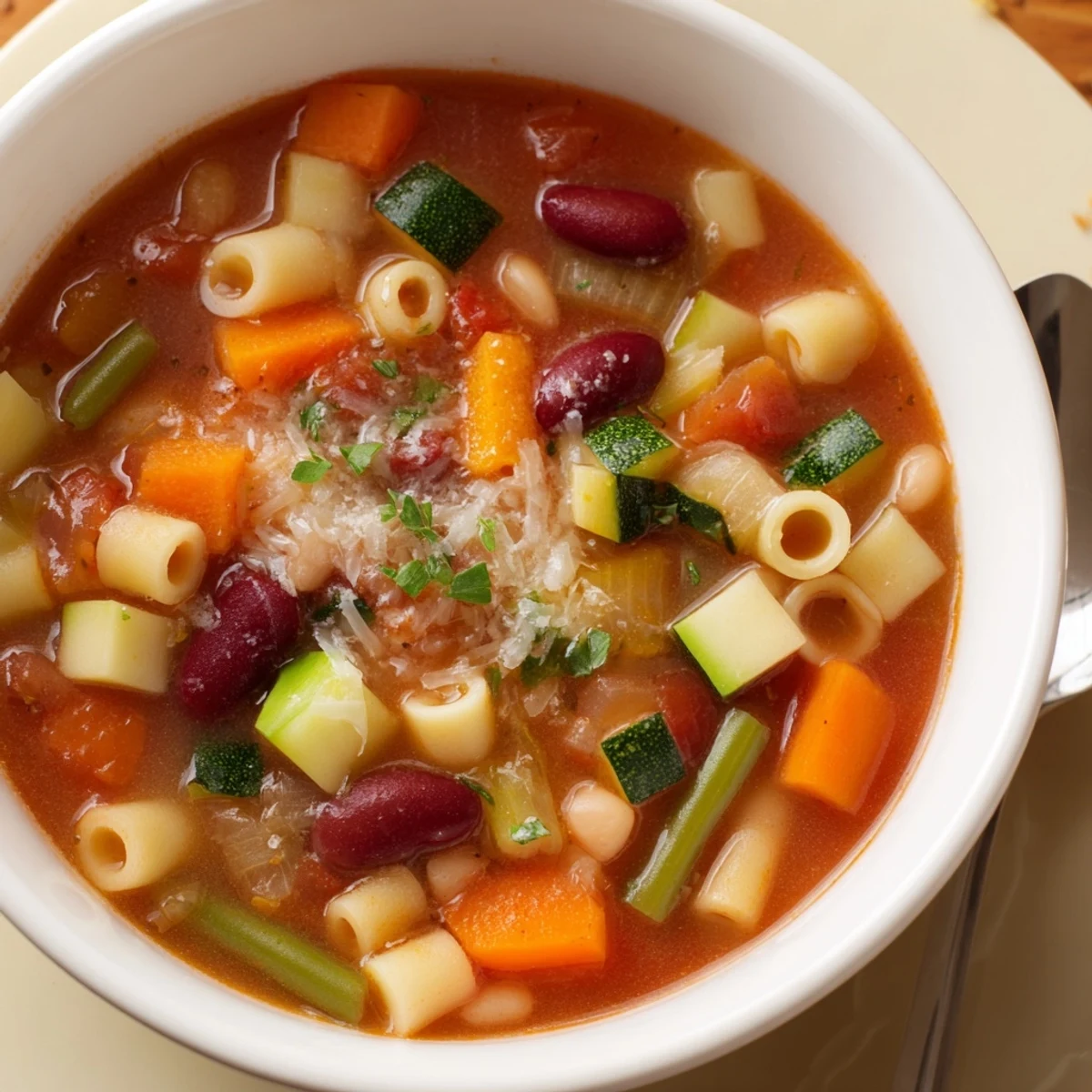
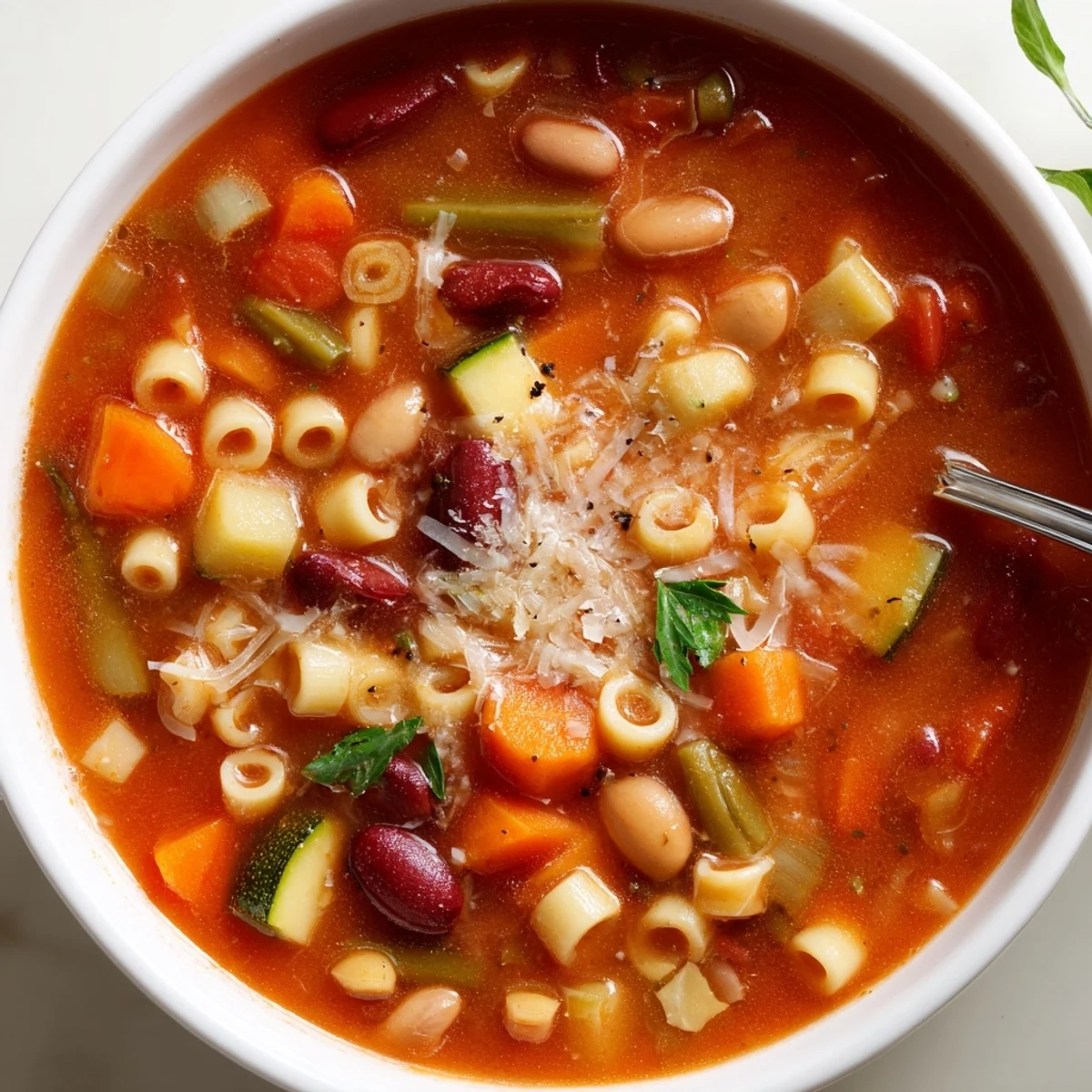
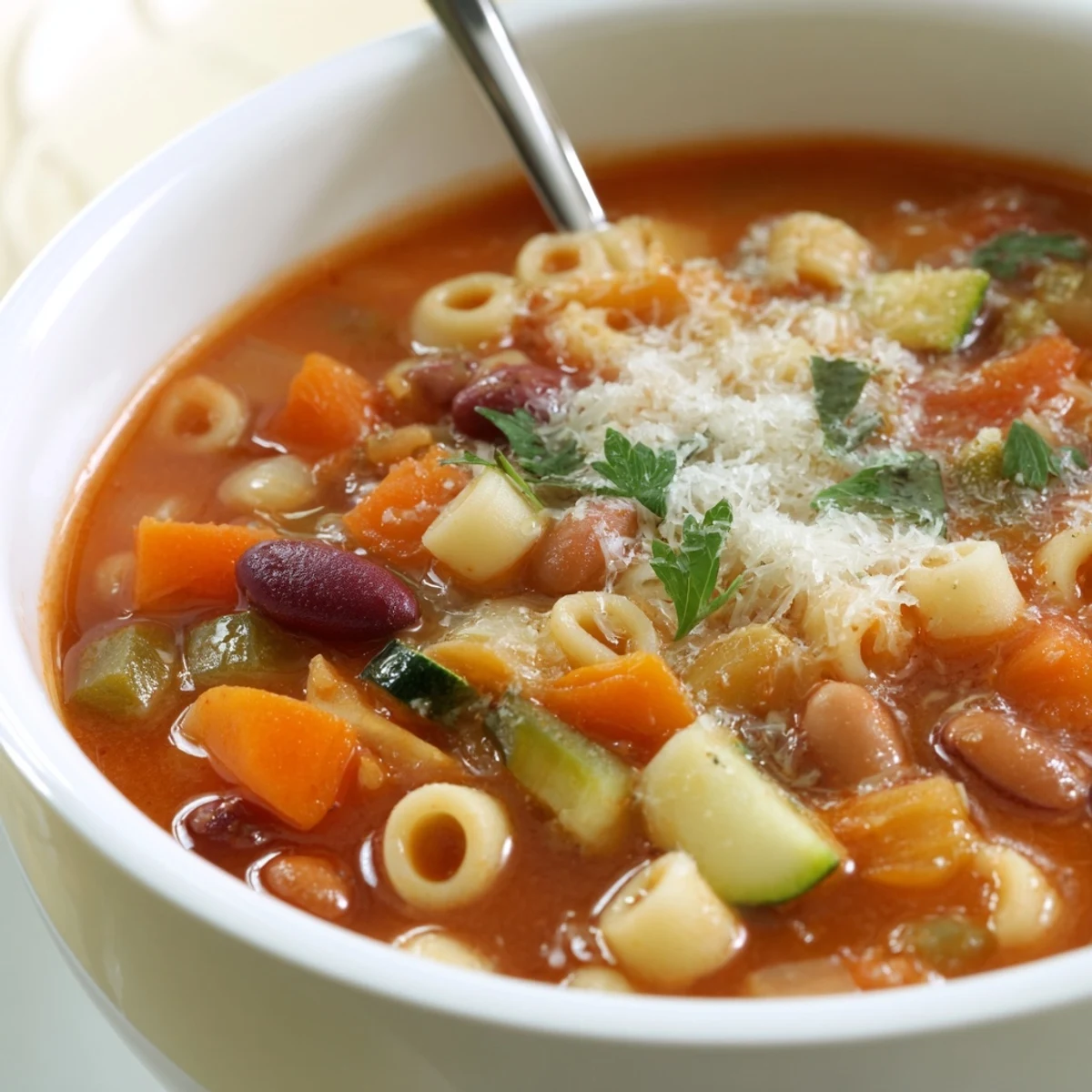
 This hearty Italian minestrone combines sautéed onion, carrots and celery with zucchini, potato, green beans, canned tomatoes, cannellini and kidney beans in a savory tomato-broth base. Simmer 40 minutes, then stir in ditalini until tender. Finish with fresh parsley and optional Parmesan. Swap seasonal greens or gluten-free pasta for dietary needs; flavors deepen overnight.
The rain was hammering against the kitchen window and I had a half empty fridge staring back at me when I decided to throw together whatever vegetables I could find into a pot. What came out of that desperate moment was the most comforting bowl of minestrone I have ever tasted, and my roommate actually stopped mid sentence to tell me it smelled like their grandmothers house in Bologna.
I made this for a friends potluck once using nothing but odds and ends from three different peoples kitchens, and it was the first bowl emptied that night. There is something magical about a soup that turns chaos into comfort.
Ingredients
- Olive oil: Use a good quality extra virgin because it builds the flavor foundation from the very first sizzle.
- Onion, carrots, and celery: This classic Italian soffritto trio is the heartbeat of the broth so do not rush cooking them down.
- Garlic: Minced fine and added after the soffritto so it sweetens without burning and turning bitter.
- Zucchini and potato: They add creaminess and body to the broth as they break down during the simmer.
- Green beans: Cut into bite sized pieces so every spoonful gets a satisfying snap of texture.
- Diced tomatoes: The entire can goes in juices and all for a tangy, rich backbone that balances the earthy beans.
- Vegetable broth: A good quality boxed broth works wonderfully but homemade will elevate everything.
- Cannellini and red kidney beans: Rinsing them well removes the canned taste and keeps the broth clear and clean.
- Small pasta: Ditalini is traditional and curls perfectly into every spoonful but elbow macaroni is a fine substitute.
- Dried oregano, basil, and bay leaf: These three herbs layer quietly in the background and make the broth taste like it simmered all day.
- Salt and pepper: Season gradually and taste often because the beans and broth vary in saltiness.
- Fresh parsley and Parmesan: Entirely optional but they add a fresh, salty finish that makes the bowl feel complete.
Instructions
- Build the base:
- Warm the olive oil in a large heavy pot over medium heat and add the onion, carrots, and celery. Stir them gently for about five minutes until everything softens and your kitchen starts smelling impossibly warm and inviting.
- Wake up the garlic and hearty veg:
- Toss in the garlic, zucchini, and potato, stirring occasionally for three minutes. The garlic will release a sweet aroma that tells you the foundation is ready.
- Add the green beans and tomatoes:
- Pour in the diced tomatoes with all their juices and scatter in the green beans. Give everything a good stir so the tomatoes coat every piece of vegetable.
- Build the soup:
- Pour in the vegetable broth and add both cans of beans along with the oregano, basil, bay leaf, salt, and pepper. Stir well, bring everything to a rolling boil, then immediately drop the heat to low.
- Let it simmer:
- Let the soup bubble gently for fifteen minutes so the vegetables soften and the flavors melt together. You will see the broth deepen in color and thicken slightly.
- Cook the pasta right in the soup:
- Drop in the small pasta and cook for another ten minutes until tender, stirring now and then so nothing sticks. The pasta releases starch that makes the broth wonderfully silky.
- Finish and serve:
- Fish out the bay leaf, taste the broth, and adjust the salt and pepper as needed. Ladle into warm bowls and shower with parsley and Parmesan if the mood strikes you.
 Save to Pinterest
 One cold Sunday I ladled this into a thermos and took it to a friend who was recovering from surgery, and she called me later that evening saying it was the first thing that tasted right in weeks. That is the quiet power of a good soup.
What to Toss In When You Feel Creative
A handful of chopped spinach stirred in at the very end wilts beautifully and adds a pop of green without changing the flavor. Shredded cabbage, diced butternut squash, or even a cup of leftover cooked rice all find a happy home in this pot.
Making It Work for Everyone at the Table
For a vegan version, simply skip the Parmesan or pass around a plant based alternative at the table. Gluten free pasta swaps in seamlessly, though you may want to undercook it slightly since rice and corn based pastas break down faster than wheat.
Storing and Reheating Like a Pro
This soup keeps beautifully in the refrigerator for up to four days and the flavor deepens with every passing hour. Freeze individual portions in airtight containers for up to three months, leaving a little room at the top for expansion.
- Reheat gently on the stove over medium low heat and add a splash of broth if it has thickened too much.
- A drizzle of good olive oil on top of each reheated bowl revives the flavor instantly.
- Always taste for salt after reheating because the pasta and beans continue to absorb seasoning as they sit.
 Save to Pinterest
 Minestrone is less a recipe and more a conversation between you and whatever is in season, so trust your instincts and make it your own. Every pot will tell a slightly different story, and that is exactly what makes it worth cooking.
Recipe Questions & Answers
- → How can I make this gluten-free?
-
Use a gluten-free small pasta or omit pasta and add extra beans or cooked rice. Verify that the vegetable broth and canned ingredients are labeled gluten-free.
- → Can I use different beans or legumes?
-
Yes. Chickpeas, navy beans or lentils all work well; adjust simmer time for lentils and always drain and rinse canned beans before adding.
- → How should I store and reheat leftovers?
-
Cool quickly and refrigerate in an airtight container for up to 4 days. Reheat gently over low heat, adding a splash of broth or water to loosen the texture as needed.
- → Is freezing this soup a good option?
-
Freeze before adding pasta for best results. Thaw overnight in the fridge and reheat slowly; add fresh or briefly cooked pasta when serving if you want firmer texture.
- → How can I make it more protein-rich or hearty?
-
Add extra cannellini or kidney beans, a cup of cooked lentils, or stir in cooked barley or farro to increase protein and body without altering the base flavor.
- → What seasonal vegetable swaps work well?
-
Try kale or cabbage in cooler months, spinach in spring, or diced winter squash in autumn. Adjust cooking times so tender vegetables aren't overcooked.