
 Save to Pinterest
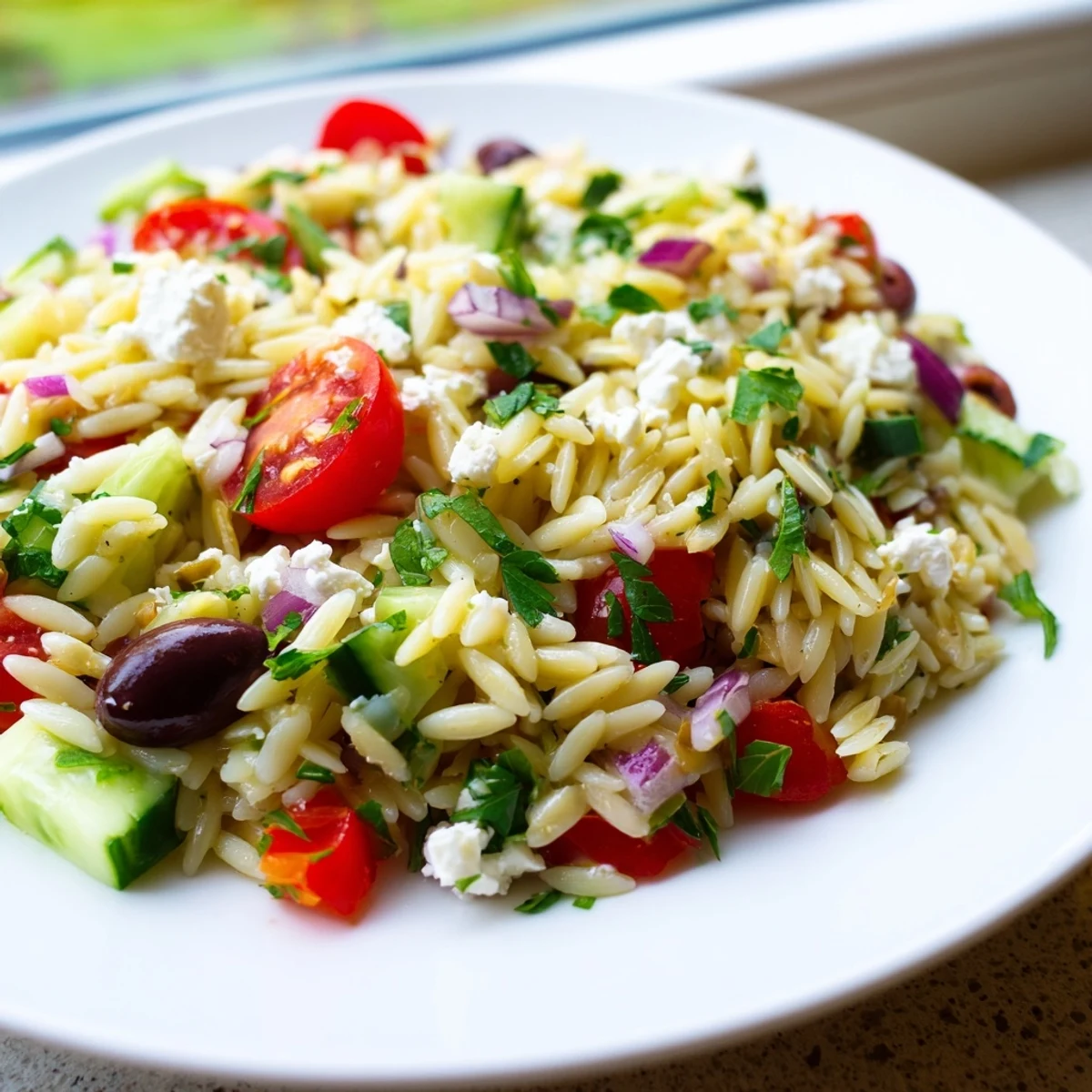
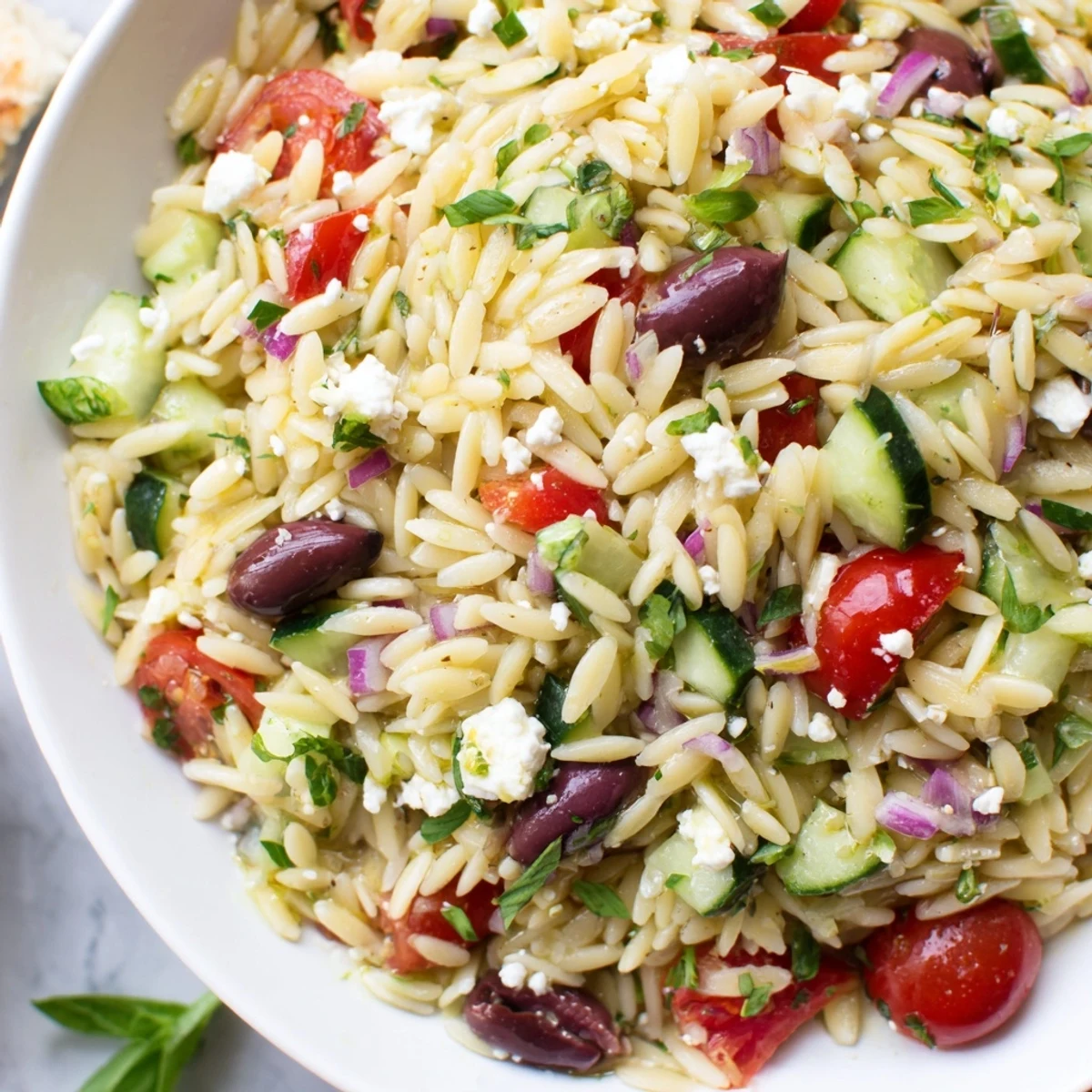
 This Mediterranean orzo salad brings together tender pasta, juicy cherry tomatoes, crisp cucumber, and briny Kalamata olives in one vibrant bowl.
A zesty lemon and extra-virgin olive oil dressing ties everything together, while crumbled feta adds a creamy, tangy finish.
Ready in just 25 minutes with 15 minutes of prep, it's an effortless choice for light lunches, summer picnics, or a refreshing side at your next gathering.
Something about the smell of lemon zest and olive oil together instantly pulls me back to a tiny seaside taverna in Crete, where a weathered wooden bowl of orzo salad changed what I thought a cold pasta could be. That dish was absurdly simple, just handfuls of whatever was fresh, but the balance of briny, bright, and creamy kept me chasing the memory for years. This version is my weeknight approximation, built from trial and error in a kitchen that has never once seen the Aegean Sea. It comes together in the time it takes the orzo to cool.
I brought a massive bowl of this to a rooftop potluck last July, expecting it to sit politely beside the potato chips, and watched three people hover over it with forks until nothing remained but a smear of dressing on the bottom.
Ingredients
- Orzo pasta (1 cup, uncooked): The tiny rice shape grabs dressing in every crevice, which is why orzo outperforms larger pastas in cold salads every time.
- Cherry tomatoes (1 cup, halved): Their natural sweetness offsets the salty olives and feta, and halving them lets juices mingle with the dressing.
- Cucumber (1 cup, diced): Adds a cool crunch that breaks up the softness of cooked pasta, especially good if you seed it first.
- Red bell pepper (1, diced): Raw bell pepper brings a slight sweetness and a satisfying snap that keeps every bite interesting.
- Red onion (½ small, finely minced): A little goes a long way, and mincing it small ensures the sharp bite distributes evenly rather than overwhelming a single forkful.
- Kalamata olives (¼ cup, pitted and sliced): The briny depth is nonnegotiable, and slicing them exposes more surface area so their saltiness permeates the whole bowl.
- Feta cheese (½ cup, crumbled): Creamy, tangy crumbles that soften the acidity of the lemon and pull every flavor together.
- Fresh parsley (⅓ cup, chopped): Acts as a fresh baseline herb, and the flat leaf variety holds up better than curly in a dressed salad.
- Fresh basil (2 tbsp, chopped): Adds a sweet, slightly peppery aroma that immediately signals Mediterranean cooking.
- Fresh mint (1 tbsp, chopped, optional): A surprising lift that most people cannot identify but consistently ask about.
- Extra virgin olive oil (⅓ cup): This is the backbone of the dressing, so use one you would happily dip bread into on its own.
- Lemon (zest and juice of 1): The zest carries floral oils while the juice sharpens everything, and using both is what makes the dressing taste complete.
- Garlic (1 clove, minced): One clove is enough to warm the dressing without raw garlic breath hijacking the afternoon.
- Dried oregano (1 tsp): It rehydrates in the lemon juice and tastes more authentically Greek than fresh oregano in this context.
- Salt and black pepper: Season to taste at the end, because the feta and olives already contribute hidden salt.
Instructions
- Cook and cool the orzo:
- Boil the orzo in generously salted water until just al dente, then drain and immediately rinse under cold running water until completely cool, tossing gently so the grains do not clump.
- Build the vegetable base:
- In your largest mixing bowl, combine the halved cherry tomatoes, diced cucumber, red bell pepper, minced red onion, and sliced Kalamata olives, giving everything a gentle toss so colors are evenly distributed.
- Introduce the pasta:
- Add the cooled orzo to the vegetables and fold it through with a spatula so the small pasta settles evenly among the chopped produce.
- Shake up the dressing:
- In a jar with a tight lid, combine the olive oil, lemon zest, lemon juice, minced garlic, dried oregano, salt, and pepper, then shake vigorously until the mixture looks cloudy and thickened.
- Dress the salad:
- Pour the dressing over the orzo and vegetables and toss gently with a large spoon, making sure every grain and vegetable piece glistens.
- Fold in feta and herbs:
- Scatter the crumbled feta, chopped parsley, basil, and mint over the top and fold gently so the cheese crumbles stay in chunky pieces rather than turning to paste.
- Rest and adjust:
- Taste a forkful, add more salt or lemon juice if needed, then let the bowl sit in the refrigerator for thirty minutes so the flavors settle and deepen before serving.
 Save to Pinterest
 There is a specific quiet satisfaction in pulling a cold, glistening bowl of this from the refrigerator on a humid afternoon when cooking feels impossible and eating feels optional until the first bite.
Making It Your Own
The beauty of a Mediterranean formula is how forgiving it is, so treat the ingredient list as a conversation rather than a contract. Chickpeas tossed in at the end add a nutty protein boost that turns a side dish into lunch. Grilled chicken strips work beautifully if you are feeding someone who treats salads with suspicion.
What to Pair It With
A chilled glass of Sauvignon Blanc mirrors the lemon and herbs so precisely it almost feels like another ingredient. For a nonalcoholic match, sparkling water with a wedge of lime and a pinch of salt keeps things refreshing without competing. If you are building a larger spread, this salad sits comfortably next to grilled lamb, roasted salmon, or a simple platter of hummus and warm pita.
Storing and Transporting
This salad travels exceptionally well, which makes it a reliable choice for picnics, potlucks, and work lunches that you actually look forward to.
- Store leftovers in an airtight container in the refrigerator for up to three days, stirring gently before serving to redistribute the dressing.
- If making ahead for a picnic, leave the feta on the side and fold it in at the last moment so the crumbles stay distinct.
- Always taste again before serving, because cold temperatures mute salt and you may need a final squeeze of lemon to wake everything back up.
 Save to Pinterest
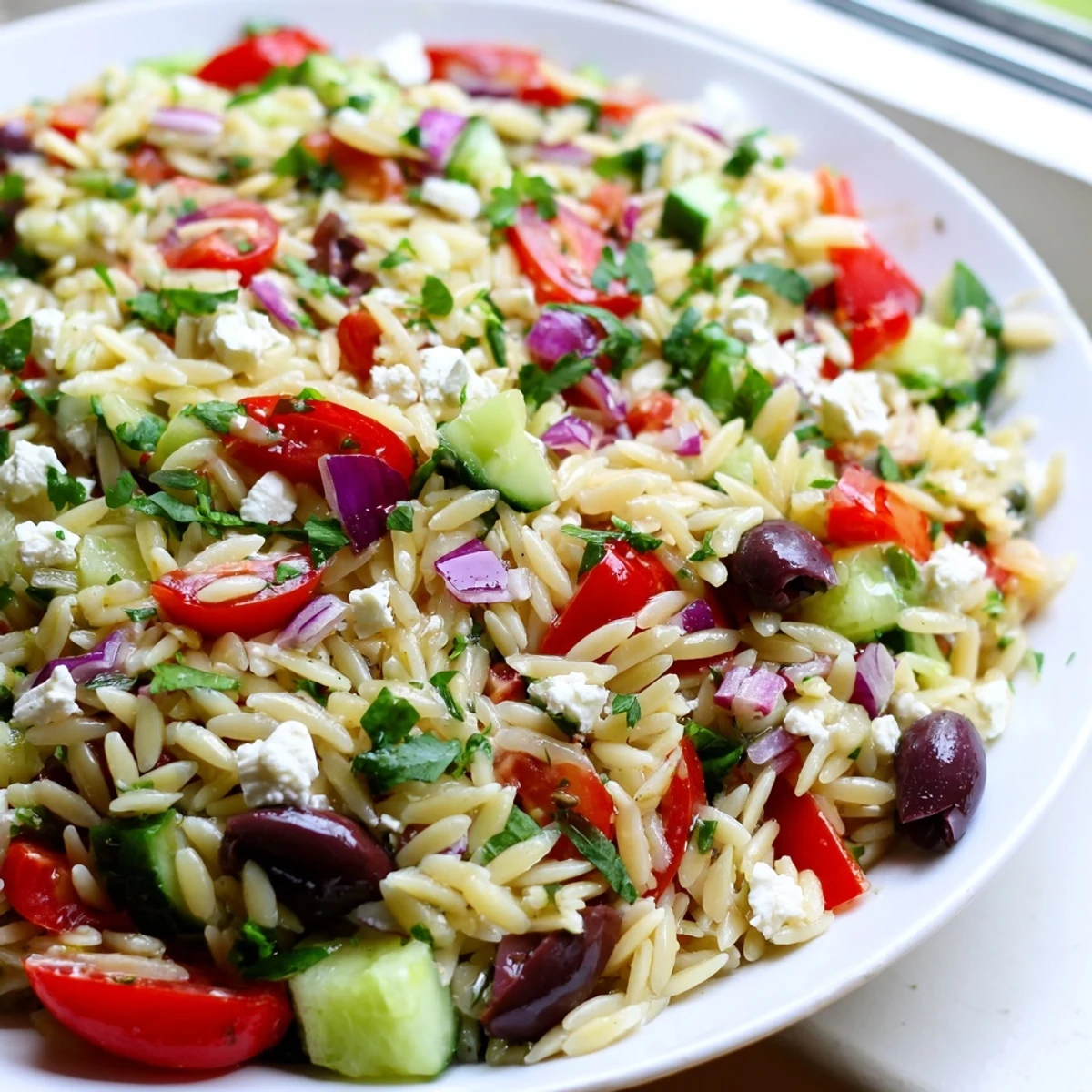
 A bowl of this orzo salad is proof that a handful of humble ingredients, treated with a little care, can outshine anything complicated. Make it once and it will quietly become the dish people ask you to bring everywhere.
Recipe Questions & Answers
- → Can I make this orzo salad ahead of time?
-
Yes, this salad actually tastes better when made ahead. Refrigerate for up to 24 hours before serving to let the flavors meld together. Give it a gentle toss before serving.
- → What can I substitute for feta cheese?
-
Goat cheese works beautifully as a substitute for feta. For a dairy-free version, simply omit the cheese entirely—the salad remains flavorful with the herbs and lemon dressing.
- → How do I keep the orzo from sticking together?
-
Rinse the cooked orzo under cold water immediately after draining. This removes excess starch and stops the cooking process. Toss with a small drizzle of olive oil if needed before adding to the salad.
- → What protein can I add to make it a complete meal?
-
Grilled chicken breast, chickpeas, or white beans are excellent additions. Each pairs naturally with the Mediterranean flavors and turns this side into a satisfying main dish.
- → How long does this salad keep in the refrigerator?
-
Store in an airtight container and it will stay fresh for up to 3 days. The vegetables may release some liquid, so drain briefly and toss before serving leftover portions.
- → Can I use a different type of pasta instead of orzo?
-
Small pasta shapes like rotini, farfalle, or ditalini work well as alternatives. Choose shapes with nooks that catch the dressing and herbs for the best flavor distribution.