
 Save to Pinterest
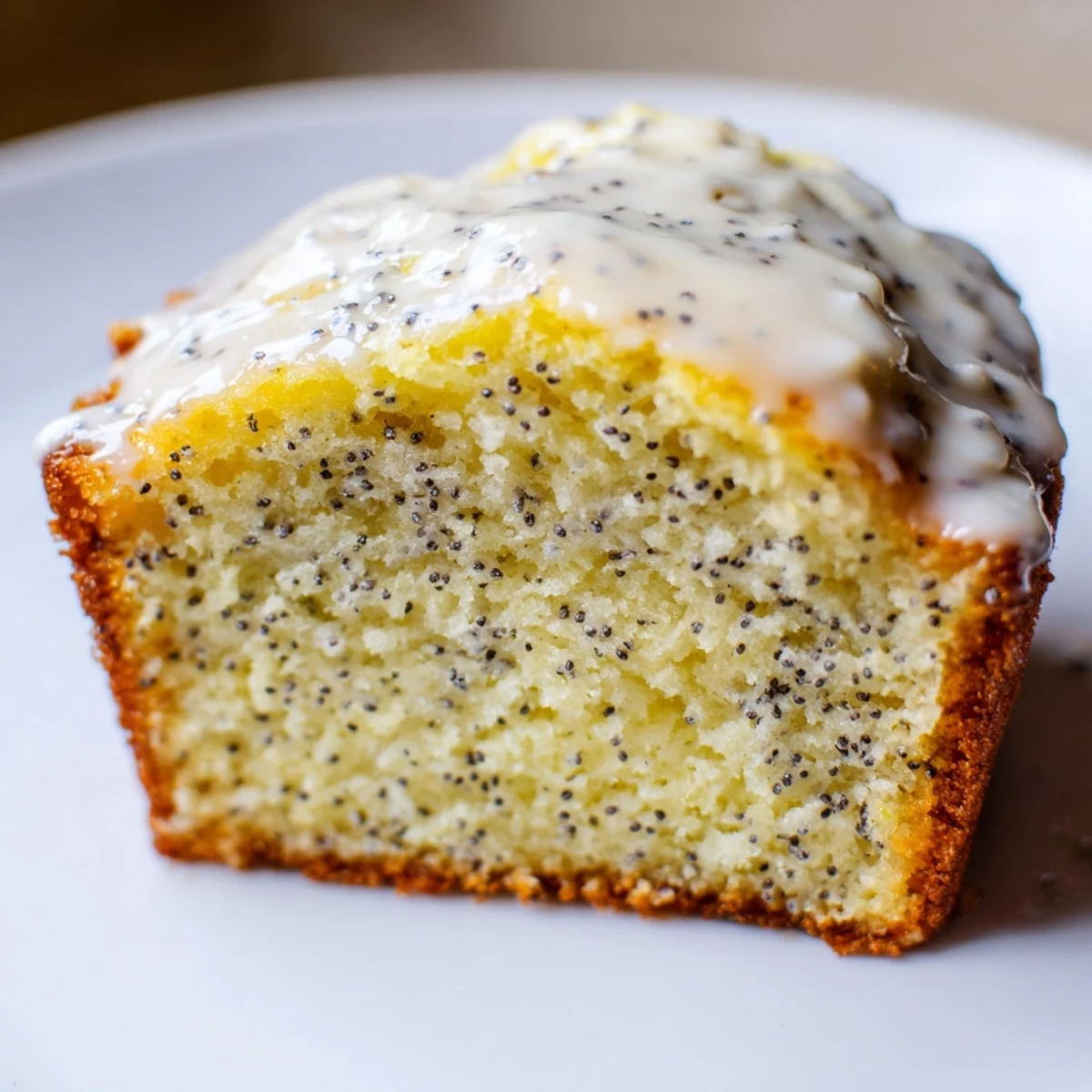
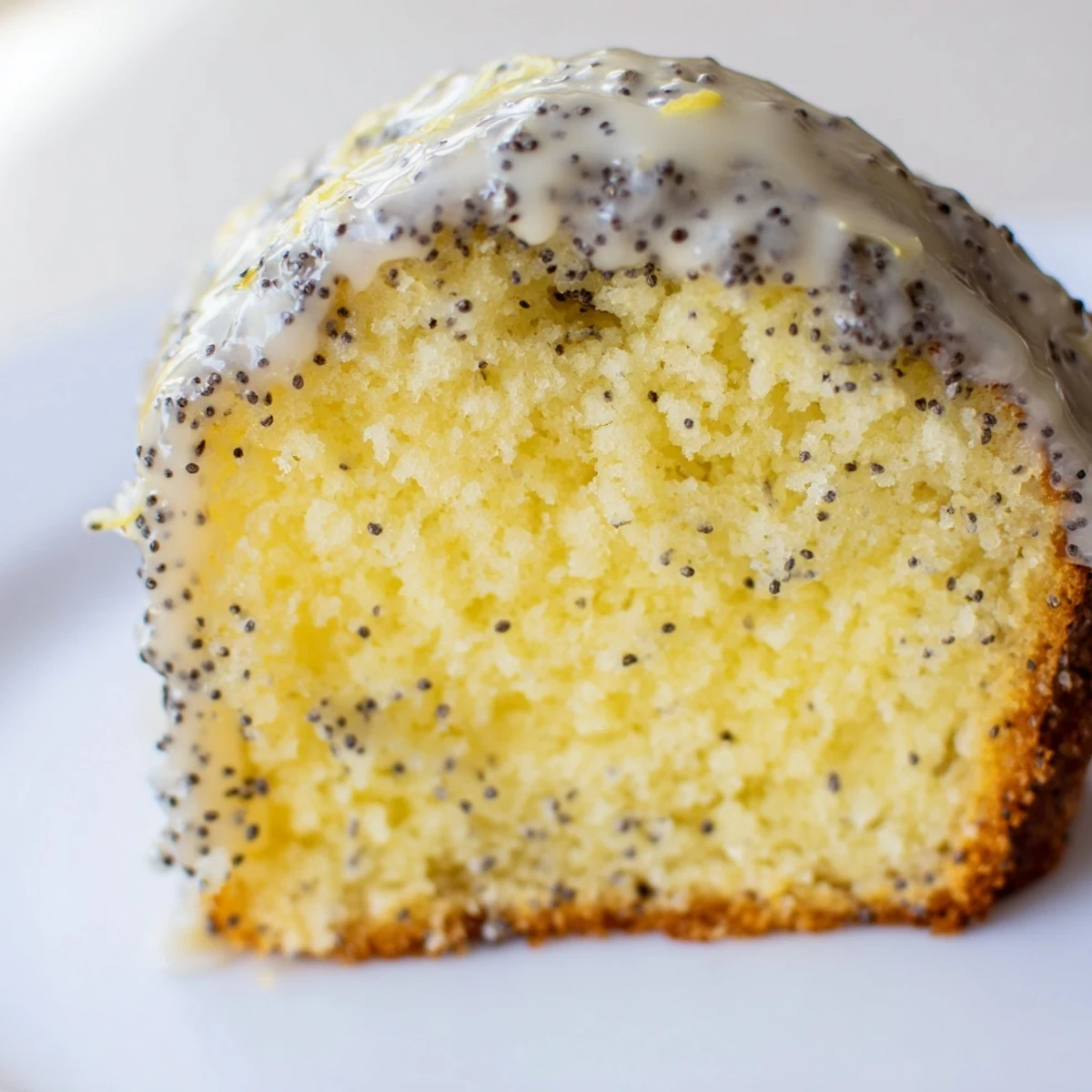
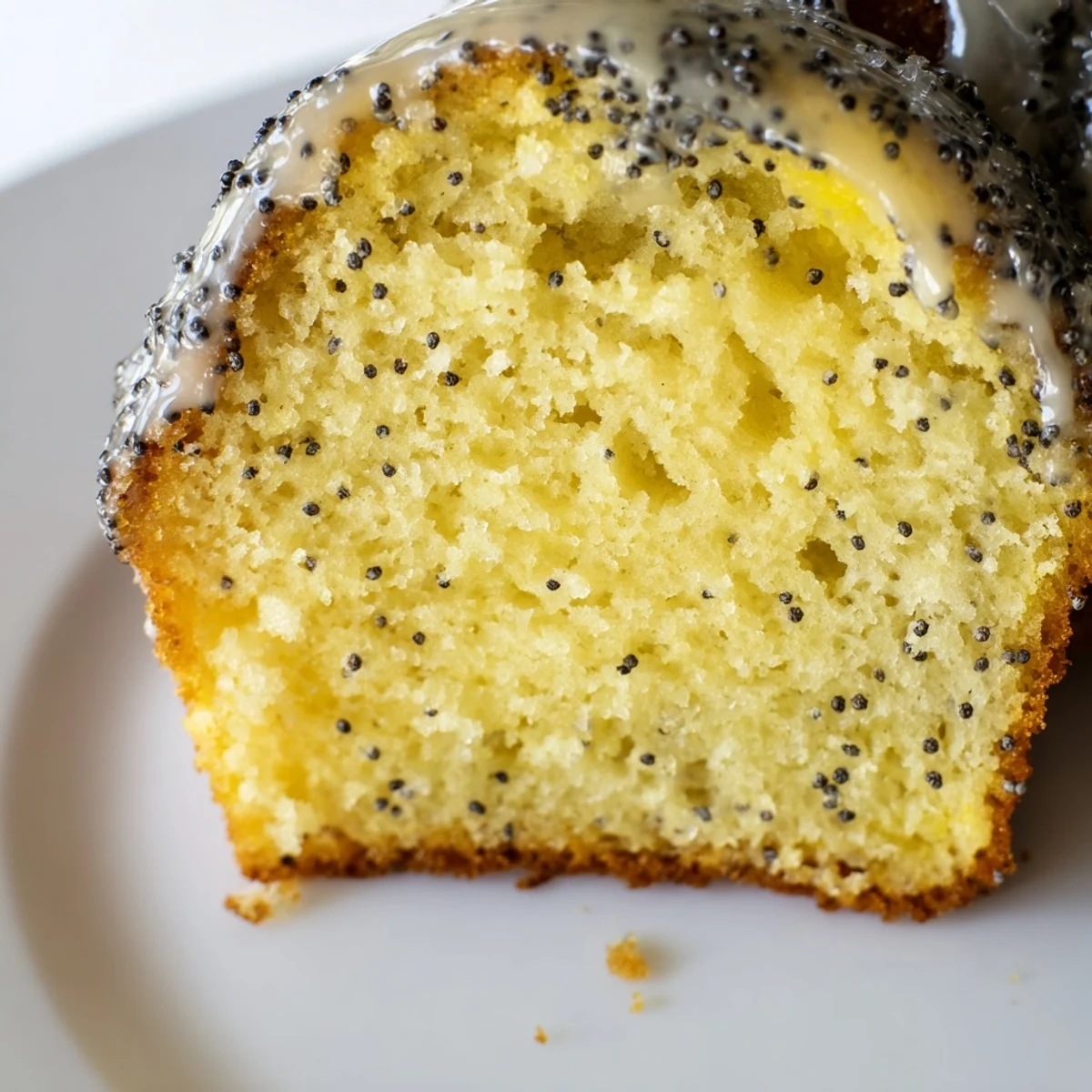
 These lemon poppy seed muffins offer a moist, tender crumb with vibrant citrus notes from lemon zest and juice. Flavored with crisp poppy seeds and finished with a sweet lemon glaze, they create a balance of tangy and sweet. Easy to prepare in under 40 minutes, they bake to golden perfection and cool before glazing. Perfect for breakfast or dessert, the muffins stay fresh for days and can be frozen unglazed. Enjoy a classic flavor combination with a moist texture and bright finish.
There's something about the smell of lemon zest hitting hot batter that makes a kitchen feel instantly alive. My neighbor handed me a bag of Meyer lemons from her tree one spring morning, and I knew immediately what I had to make—these muffins became my answer to every breakfast invitation that followed. The combination of tart lemon juice and sweet glaze creates this perfect balance that keeps people coming back for more, and honestly, I've made them so many times now that I could probably do it half-asleep.
I'll never forget the morning I made these for my book club, and someone said they tasted like sunshine—which sounds cheesy, but it stuck with me. That person came back the next month asking if I'd make them again, and I realized this recipe had somehow become my signature. Now whenever someone mentions lemon muffins, their face lights up like they remember that specific batch.
Ingredients
- All-purpose flour: Two cups gives you structure, and I always spoon it into my measuring cup rather than scooping straight from the bag—it keeps the muffins tender instead of tough.
- Poppy seeds: Just one tablespoon, but they're non-negotiable; they add texture and that subtle nutty flavor that makes people wonder what's different.
- Baking powder and baking soda: The baking powder does most of the lifting, while the baking soda reacts with the acid in the yogurt and lemon juice for extra rise and a tender crumb.
- Granulated sugar and lemon zest: Rubbing the zest into the sugar releases the oils and distributes lemon flavor throughout—this step is worth the extra thirty seconds.
- Eggs and Greek yogurt: Room temperature eggs blend more smoothly, and Greek yogurt adds tang and moisture without deflating the batter like regular sour cream sometimes does.
- Fresh lemon juice: Never use bottled here; the fresh juice is bright and essential to the flavor profile.
- Powdered sugar and lemon juice for glaze: This simple two-ingredient glaze is where the magic happens, creating that glossy finish that makes the muffins look bakery-quality.
Instructions
- Set yourself up for success:
- Preheat your oven to 375°F and line your muffin tin with paper liners or a light grease—this takes two minutes but saves you from frustrated muffin extraction later. Let your eggs sit on the counter while you work; cold eggs won't incorporate as smoothly into the wet mixture.
- Build your dry base:
- Whisk together flour, poppy seeds, baking powder, baking soda, and salt in a large bowl. The whisking aerates the flour and distributes the leavening agents evenly, which sounds fussy but actually prevents dense spots in your finished muffins.
- Create the flavor foundation:
- In another bowl, massage the lemon zest into your sugar with your fingers until it looks damp and fragrant—you'll feel the oils releasing as you work. Whisk in your room temperature eggs, then add the yogurt, melted butter, lemon juice, and vanilla, whisking until the mixture is smooth and pale.
- Bring it together gently:
- Pour the wet ingredients into the dry and fold with a spatula using as few strokes as possible; overmixing activates gluten and creates tough, dense muffins that nobody wants. Stop when you see a few streaks of flour—embrace the slight lumpiness.
- Fill and bake:
- Divide the batter among your prepared cups until each is about three-quarters full, then slide into the oven. Bake for 18 to 20 minutes until a toothpick inserted in the center comes out clean or with just a few moist crumbs clinging to it.
- Cool with patience:
- Let the muffins rest in the pan for 5 minutes before turning them out onto a wire rack to cool completely. This resting time prevents them from cracking as they cool and makes glazing easier later.
- Finish with glaze:
- Whisk your sifted powdered sugar with 2 to 3 tablespoons of fresh lemon juice until you reach a pourable consistency—it should drizzle and set rather than run off. Drizzle generously over the cooled muffins and let the glaze set for a few minutes before serving.
 Save to Pinterest
 There was a moment during a rushed weekday morning when I grabbed a leftover muffin from the counter and bit into it while standing at the sink, and the brightness of that lemon and the soft crumb just made everything feel a little lighter. Food shouldn't have to be complicated to make someone's day better, and this recipe proves that perfectly.
The Magic of Lemon Zest
I learned the hard way that lemon zest is where all the real lemon flavor lives—the juice provides acid and brightness, but the zest has the oils that make people close their eyes and smile. When I first made these, I used bottled lemon extract as a shortcut, and they tasted artificial and flat compared to the version with fresh zest. Now I always zest my lemons before juicing them, and it's become my favorite step because the smell alone is worth the effort.
Yogurt vs. Sour Cream Showdown
Greek yogurt creates a lighter, airier crumb because it's thicker and less acidic than sour cream, which means the baking soda doesn't work quite as aggressively and you get more rise. I've made these both ways depending on what was in my fridge, and the Greek yogurt version always feels slightly more delicate and elegant. If you use sour cream, reduce the baking soda by just a pinch because it's more acidic and the muffins can rise too quickly and then collapse.
Storage and Make-Ahead Strategy
These muffins stay fresh at room temperature in an airtight container for up to two days, which makes them perfect for baking ahead of a busy week. I've frozen the unglazed muffins for up to two months and thawed them at room temperature before adding the glaze, which keeps them tasting freshly baked.
- For the best texture, glaze the muffins the day you plan to serve them rather than glazing and freezing.
- If you want to freeze them glazed, wrap them individually in parchment before placing in an airtight container to prevent the glaze from sticking.
- Thawed muffins can be gently warmed in a 300°F oven for 5 minutes to bring back that just-baked softness.
 Save to Pinterest
 These muffins have become my go-to when I want to give someone something homemade that feels personal but doesn't require me to spend hours in the kitchen. They're proof that the simplest recipes, made with real ingredients and a little care, often taste the best.
Recipe Questions & Answers
- → What gives these muffins their citrus flavor?
-
The combination of lemon zest and fresh lemon juice infuses the muffins with bright citrus notes, enhanced by the tangy lemon glaze.
- → How should the batter be mixed for best texture?
-
Gently fold wet ingredients into dry until just combined to ensure a tender crumb without overmixing, which can cause toughness.
- → Can sour cream be used instead of Greek yogurt?
-
Yes, sour cream is a suitable substitute that maintains moistness and adds slight richness to the muffins.
- → How do poppy seeds affect the muffins?
-
Poppy seeds add a subtle crunch and nutty flavor, creating interesting texture contrasts within the soft crumb.
- → What is the best way to store these muffins?
-
Store them in an airtight container at room temperature for up to two days, or freeze unglazed muffins for longer freshness.