
 Save to Pinterest
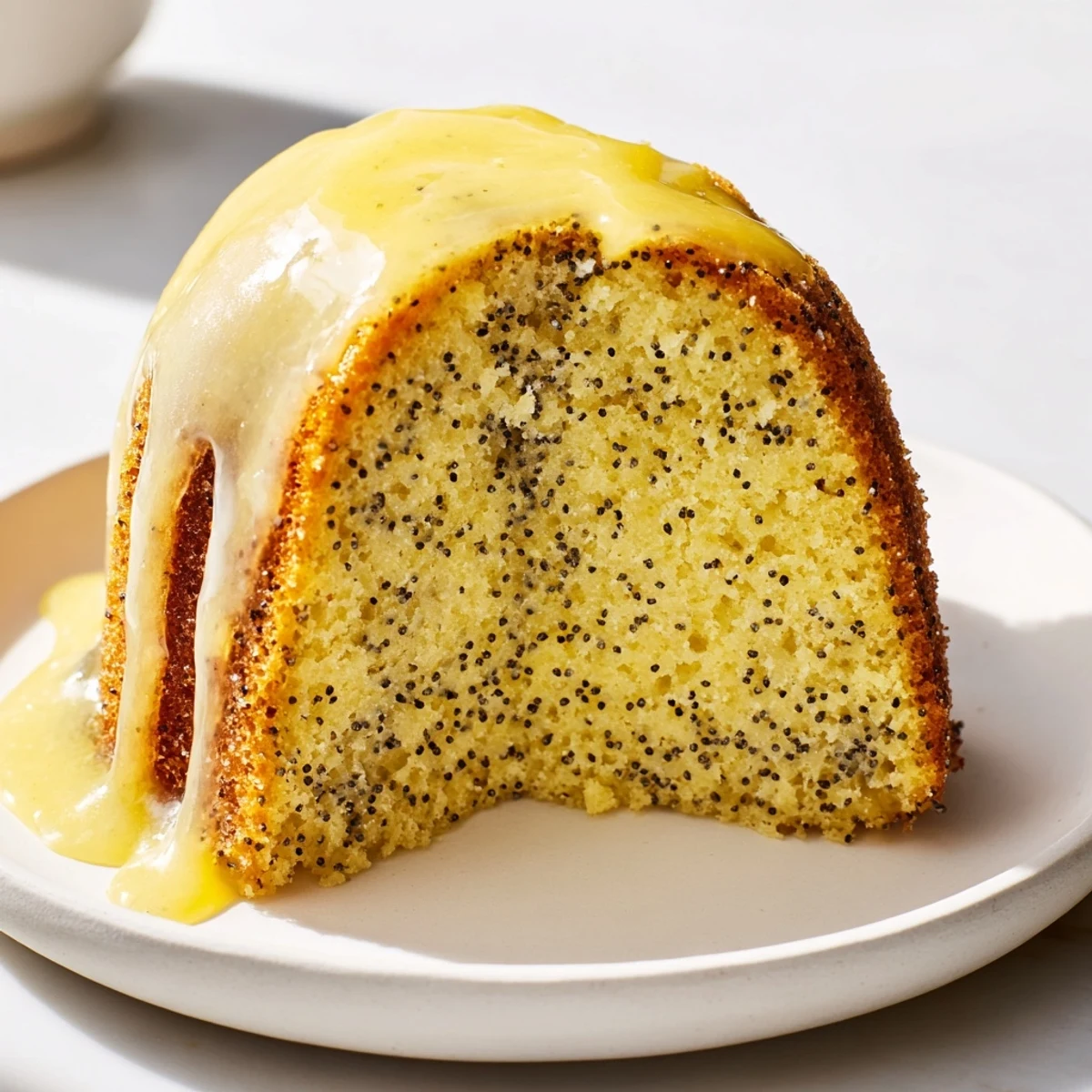
 This bundt cake features a moist texture enhanced by fresh lemon zest and juice, complemented by the subtle crunch of poppy seeds. Creamed butter and sugar create a fluffy base, while the inclusion of sour cream keeps the cake tender. A tangy lemon glaze adds brightness and a smooth finish. Baking in a greased pan ensures easy release and even cooking.
Perfectly balanced flavor and texture make this dessert ideal for gatherings or a sweet treat. Pairs well with fresh berries or whipped cream for added freshness.
There's something about the smell of lemon zest hitting hot butter that makes me stop whatever I'm doing. Years ago, my neighbor brought over this stunning Bundt cake with a glossy yellow glaze, and one bite completely changed how I thought about everyday desserts. The brightness of the lemon mixed with those tiny poppy seed pops created this perfect balance I couldn't quite forget. So I spent an afternoon in my kitchen experimenting until I nailed what felt like her cake, but with my own rhythm.
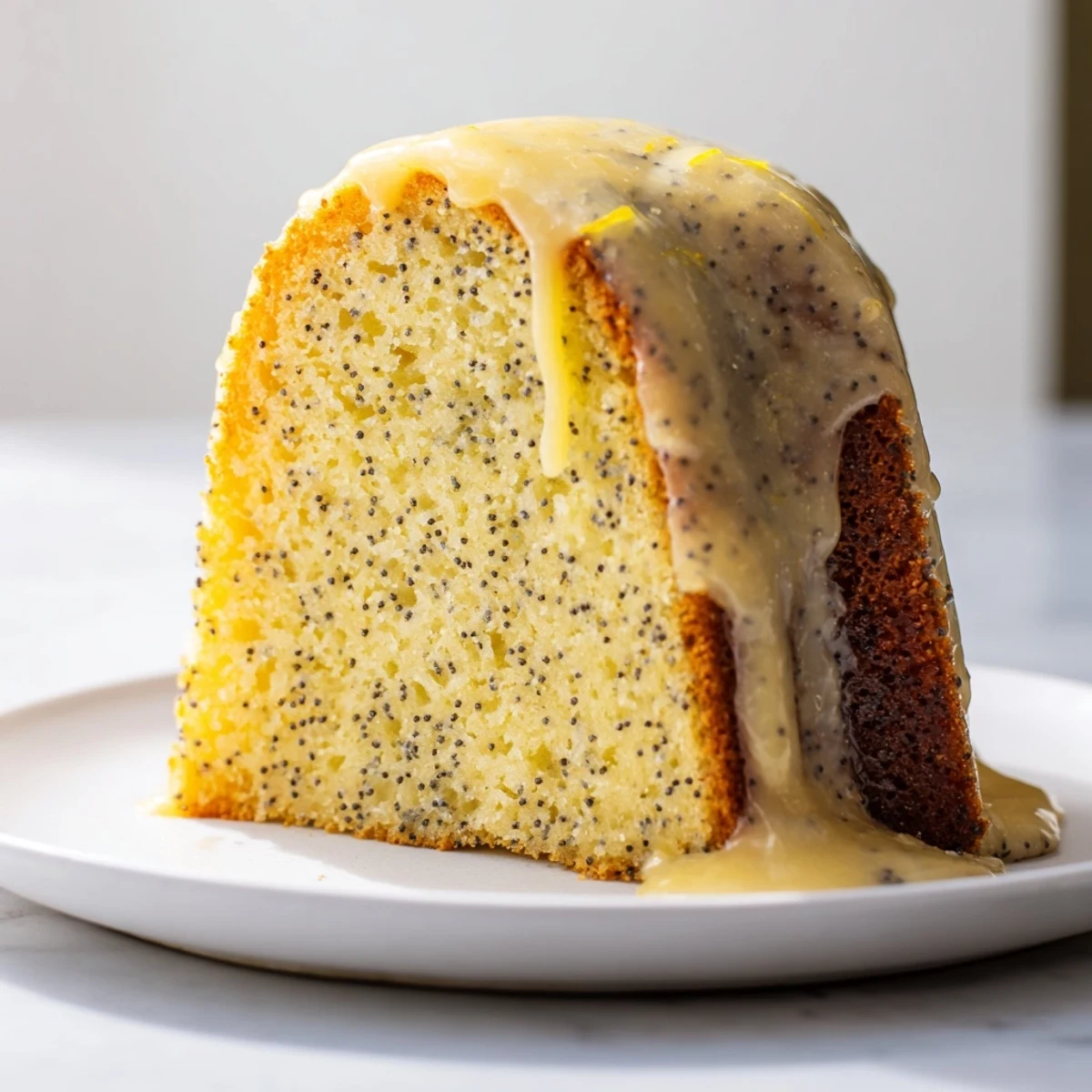
I made this for my book club once, and someone asked for the recipe before they'd even finished their first slice. That's when I realized it wasn't just good, it was the kind of cake people actually want to remake at home. The way the glaze pooled into the ridges of the pan turned out to be the real magic, even more than I'd expected.
Ingredients
- All-purpose flour (2 ¾ cups): This is your structure, so don't skip the sifting or mess with the measurement unless you're comfortable with the consequences.
- Poppy seeds (2 tablespoons): These tiny black specks give you texture and visual interest, plus they hint at something special without being obvious.
- Baking powder and baking soda (1 ½ teaspoons and ½ teaspoon): The baking soda reacts with the lemon juice and sour cream, so both matter.
- Salt (½ teaspoon): This brings out the lemon instead of making it taste salty, trust me on this.
- Unsalted butter (1 cup, softened): Softened means you can press your finger into it easily, not melted or cold and hard.
- Granulated sugar (2 cups): The creaming process with butter is what gives this cake its tender crumb, so don't skip this step.
- Large eggs (4, room temperature): Cold eggs don't mix smoothly, so pull them out while you prep everything else.
- Lemon zest (1 tablespoon): Use a microplane and don't press hard, you just want the yellow part, not the bitter white pith underneath.
- Fresh lemon juice (¼ cup): Squeeze it yourself if you can, bottled tastes noticeably different to me.
- Vanilla extract (1 teaspoon): This rounds out the flavors and makes the lemon taste more like itself.
- Sour cream (1 cup, room temperature): Cold sour cream will seize up in the batter, so let it sit out while you work.
- Powdered sugar (1 cup, sifted): Sifting removes lumps and makes the glaze smooth, which matters more than you'd think.
- Fresh lemon juice for glaze (2–3 tablespoons): This is where you adjust thickness, so add slowly and taste as you go.
Instructions
- Set up your pan and heat your oven:
- Get your Bundt pan ready by coating every inch with butter or cooking spray, then dust with flour and tap out the excess. Preheat the oven to 350°F so it's ready when your batter is.
- Combine the dry ingredients:
- Whisk together the flour, poppy seeds, baking powder, baking soda, and salt in a medium bowl. This helps distribute the leavening evenly so you don't get weird dense pockets.
- Cream butter and sugar until fluffy:
- Beat the softened butter and sugar together for about 3–4 minutes until it looks pale and almost mousse-like. You'll see the transformation happen, and it's what gives you that tender crumb.
- Add eggs one at a time:
- Drop in each egg and beat well before adding the next one. This might seem like it takes forever but it's worth it for even distribution.
- Mix in the lemon and vanilla:
- Add the zest, juice, and vanilla and beat until combined. You'll smell that bright citrus moment and know you're on track.
- Alternate wet and dry ingredients:
- Starting with flour, add a third of the dry mixture, then half the sour cream, then another third of flour, then the rest of the sour cream, then the final flour. This prevents overmixing which would make the cake tough.
- Pour and smooth:
- Scrape the batter into your prepared pan and run a spatula over the top to even it out. This prevents air pockets from creating weird holes later.
- Bake until golden:
- Bake for 40–45 minutes until a toothpick inserted in the center comes out clean or with just a few moist crumbs. The cake will smell incredible and spring back when you touch it.
- Cool in the pan then turn out:
- Let it rest in the pan for 15 minutes so it firms up, then carefully flip it onto a wire rack to cool completely. This prevents it from sticking or breaking.
- Make the glaze:
- Whisk the powdered sugar with 2 tablespoons lemon juice and add more juice one teaspoon at a time until it's pourable but not runny. It should coat the back of a spoon.
- Glaze and rest:
- Drizzle the glaze over the cooled cake and let it set for about 15 minutes before slicing. This gives it time to firm up slightly so it doesn't slide off.
 Save to Pinterest
 I'll never forget when my mom took a bite and immediately asked if I'd bought it from a bakery. That moment taught me that sometimes the simplest recipes with the best ingredients are what actually impress people. It's not about complexity, it's about intention.
Why Fresh Lemon Matters
Bottled lemon juice is convenient but tastes almost medicinal compared to fresh squeezed. When you use real lemons, the cake tastes bright and alive instead of one-note. I started squeezing my own lemons years ago and never went back. The zest is where the real flavor lives, so don't skip it or swap it for extract.
The Bundt Pan Advantage
A Bundt pan does more than just look pretty, it creates extra surface area that gets caramelized and crunchy while the inside stays moist. The glaze settles into all those curves and cracks, creating little pockets of sweetness. This shape also means more cake touches the pan, which helps prevent dome-shaped baking mishaps. If you don't have a Bundt pan, a regular round cake pan works but you'll lose some of that visual magic.
Storage and Serving Suggestions
This cake actually gets better after a day or two because the flavors mellow and distribute. Keep it covered at room temperature and it'll stay fresh and moist for 2–3 days, or wrap it well and freeze it for up to a month. Serve it plain or with fresh berries and whipped cream if you want to turn it into something special.
- A slice with strong black coffee or Earl Grey tea feels like a small celebration any time of day.
- Fresh raspberries or blueberries on the side brighten it up without overpowering the delicate lemon.
- Room temperature tastes better than cold, so pull it out of the fridge a few minutes before serving.
 Save to Pinterest
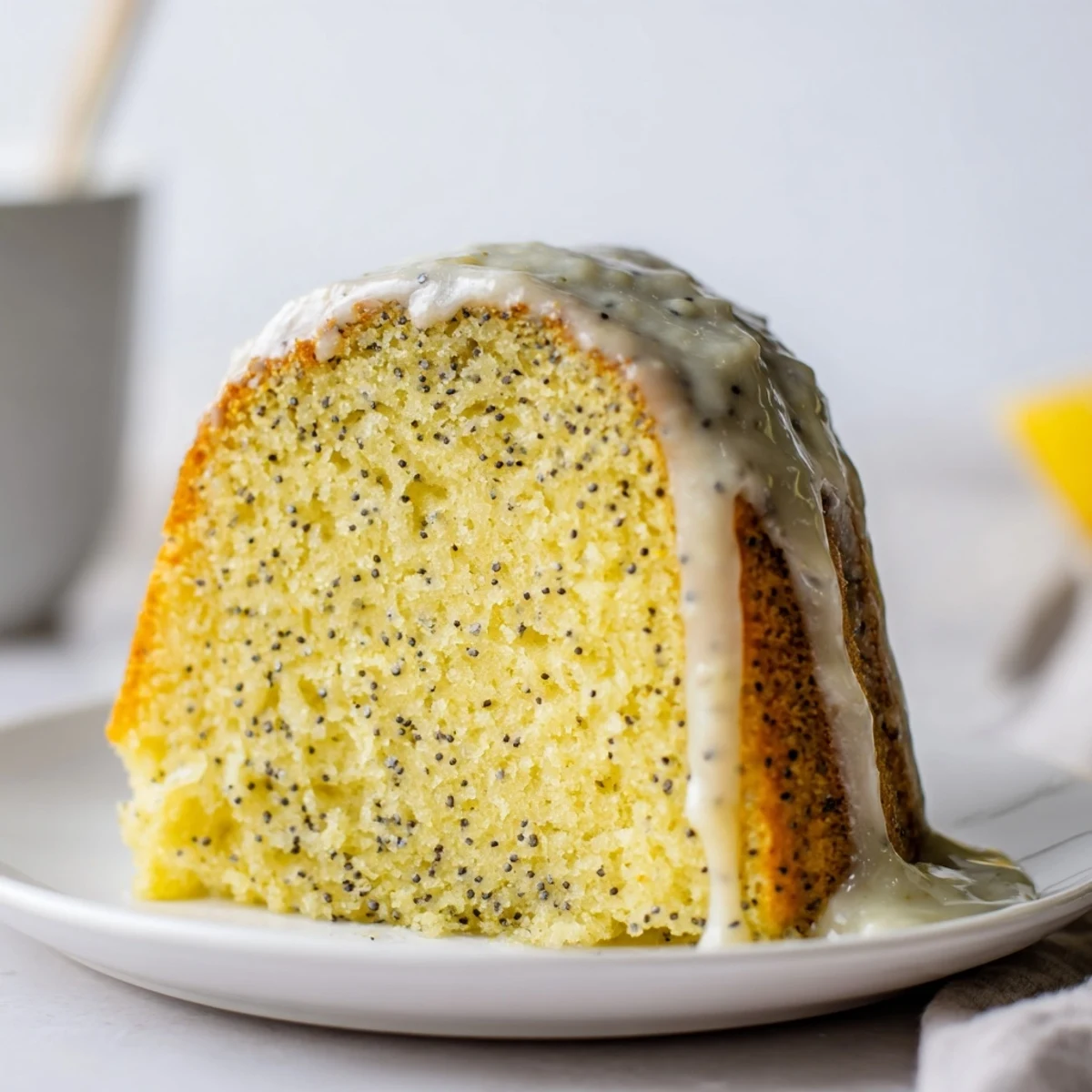
 This cake has become my go-to when I need something that feels homemade but doesn't require fancy technique or hours of fussing. It's the kind of recipe that gets better every time you make it because you start remembering the small details that matter.
Recipe Questions & Answers
- → What gives the cake its moist texture?
-
The combination of creamed butter, sugar, and sour cream contributes to a moist and tender crumb in the cake.
- → How do poppy seeds affect the cake?
-
Poppy seeds add a subtle crunch and a nutty flavor that contrasts nicely with the soft cake and bright lemon notes.
- → Can I substitute the lemon juice for another citrus?
-
Yes, lime or orange juice can be used to provide a different citrus twist while maintaining acidity and freshness.
- → What is the purpose of the lemon glaze?
-
The lemon glaze enhances the overall brightness, adding a sweet and tangy finish that complements the cake’s flavors.
- → How should the bundt pan be prepared to prevent sticking?
-
Grease the pan thoroughly and lightly flour it, making sure to coat all crevices for easy release after baking.