
 Save to Pinterest
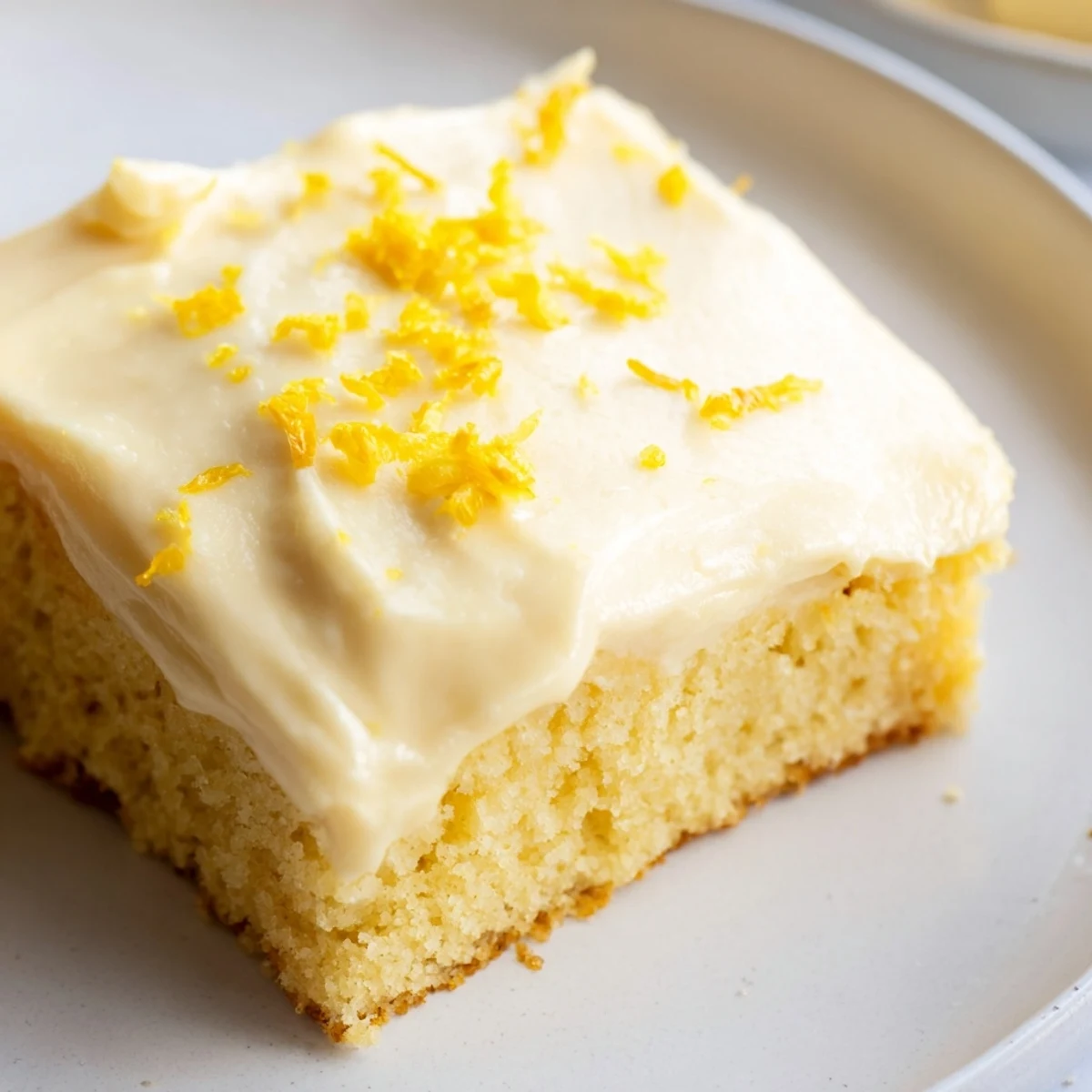
 Whip up a moist, zesty lemon cake using fresh juice and zest for vibrant flavor. Once baked and cooled, top the golden slices with a creamy, tangy frosting that perfectly balances sweetness with citrus brightness. This simple yet elegant delight serves eight, making it perfect for gatherings or an afternoon treat.
There's something about the smell of lemon zest hitting hot butter that makes a kitchen feel alive. I stumbled onto this cake recipe during a particularly gray afternoon, when I needed something bright to cut through the mood—and this tangy, moist lemon cake delivered exactly that. The frosting is where the magic happens: rich, creamy, and unapologetically lemony. It's become the cake I reach for whenever I want to feel like I've done something special without breaking a sweat.
I made this for my neighbor's birthday last spring, and she ate two slices before the coffee was even brewed. What surprised me most was how the citrus flavor somehow made the cake feel lighter than it actually is—people kept coming back for more, convinced they could afford another slice. That moment when someone closes their eyes after the first bite and just says "wow" is exactly why I keep making this.
Ingredients
- All-purpose flour: The foundation—make sure it's fresh and measured carefully by spooning into the cup rather than scooping.
- Granulated sugar: This creams with the butter to create that tender crumb, so don't skip the beating step.
- Unsalted butter: Softened butter incorporates air as you beat it, which gives the cake its delicate structure.
- Eggs: Room temperature eggs blend more smoothly and create a better emulsion with the butter and sugar.
- Whole milk: The dairy adds moisture and richness that makes this cake feel homemade and special.
- Fresh lemon juice: Bottled juice works in a pinch, but fresh really does make a noticeable difference in brightness.
- Lemon zest: This is the secret to that pronounced citrus flavor—don't skip it or use the stale jar version if you can help it.
- Baking powder: Your leavening agent—check the date to make sure it's still active.
- Salt: A small amount that you might not taste directly, but it rounds out and deepens the lemon flavor.
- Vanilla extract: Adds a subtle warmth that makes the lemon pop even more.
- Powdered sugar: Sift it before adding to the frosting to avoid lumps that ruin the silky texture.
Instructions
- Prep your pan and heat your oven:
- Set the oven to 350°F and grease an 8-inch square pan, then line it with parchment paper so the cake lifts out cleanly when it's time. This step takes two minutes but saves you from cake stuck to the sides later.
- Combine your dry ingredients:
- Whisk together flour, baking powder, and salt in a medium bowl and set it aside. This ensures even distribution of the leavening so you don't end up with flat spots or weird dome shapes.
- Cream butter and sugar until fluffy:
- Beat softened butter with granulated sugar for 2–3 minutes until it looks pale and fluffy—this incorporates air and is the key to a tender crumb. If you rush this step, the cake will be dense, so really take your time here.
- Add eggs one by one with care:
- Add each egg individually, beating well between additions so they fully incorporate. Adding them slowly prevents the batter from breaking, which would make the cake tough.
- Mix in the lemon flavors and vanilla:
- Stir in the lemon zest, fresh lemon juice, and vanilla extract, mixing until everything is evenly distributed and you can smell that bright citrus everywhere. Don't be shy with the zest—you want those little flecks visible in every slice.
- Alternate wet and dry ingredients gently:
- Add about a third of the flour mixture, then half the milk, then another third of flour, then the remaining milk, and finally the last bit of flour. Always start and end with flour, mixing gently after each addition—overworking at this stage makes the cake tough.
- Pour and smooth the batter:
- Spread the batter evenly in your prepared pan, using a spatula to get the corners and create an even top that will bake uniformly. If the top isn't level, the cake will brown unevenly.
- Bake until golden and set:
- Bake for 30–35 minutes, watching for a light golden color and using the toothpick test—when a toothpick inserted in the center comes out clean, you're done. Don't overbake or the cake will dry out, so check it at the 30-minute mark.
- Cool with patience:
- Let the cake rest in the pan for 10 minutes to set slightly, then turn it out onto a cooling rack for complete cooling. Frosting a warm cake will melt and slide right off, so really do wait until it's completely cool.
- Make the frosting while the cake cools:
- Beat softened butter until it's light and creamy, then gradually add sifted powdered sugar, mixing well and stopping to scrape the bowl. Once smooth and fluffy, add lemon juice, zest, vanilla, and just enough milk to get a spreadable consistency that's thick but pipeable.
- Finish and serve:
- Spread the frosting evenly over the completely cooled cake using an offset spatula or the back of a spoon, then slice into eight generous pieces. The frosting will firm up as it sits, so don't worry if it seems soft at first.
 Save to Pinterest
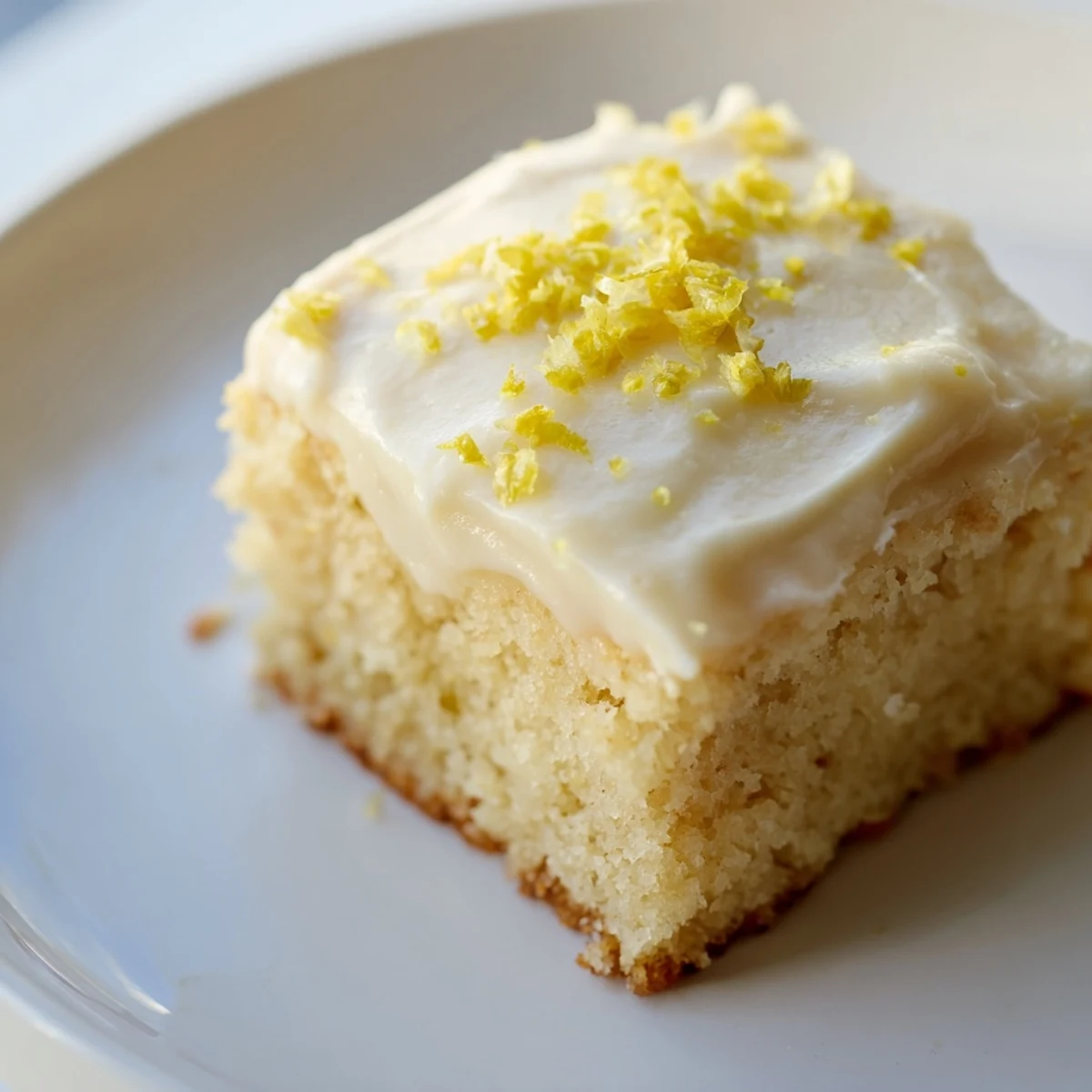
 The best part came when my sister took a photo of her slice and posted it online, then got texts from three friends asking for the recipe. Knowing I'd made something people actually wanted to recreate felt better than any compliment—it meant this cake had earned its place in someone else's kitchen too.
The Science Behind the Citrus
Lemon juice does more than just add flavor—it interacts with the baking soda's alkalinity to create lift and structure. The acid also keeps the gluten strands tender, which is why this cake is so moist and delicate compared to cakes without citrus. I learned this the hard way when I once tried to substitute lime juice and couldn't figure out why the texture was off until a baker friend explained what lemon juice actually does chemically.
Storage and Make-Ahead Options
This cake keeps beautifully in an airtight container for up to three days at room temperature, and honestly tastes even better the next day once the flavors settle and the crumb sets. You can also bake the cake ahead and store it unfrosted, then make and apply the frosting just before serving if you want that fresh-frosted look. The frosting itself holds up well in the fridge for several days if stored in a covered container, so there's no rush to assemble everything all at once.
Variations and Personal Touches
Once you've nailed this basic version, it's fun to play with additions that respect the lemon flavor rather than fighting it. I've added poppy seeds for texture, a touch of almond extract to deepen the flavor, or even a thin glaze of extra lemon juice and powdered sugar on top for serious tang. Garnishing with candied lemon slices or thin fresh slices isn't just pretty—it signals to people that this cake means business.
- Try adding a tablespoon of poppy seeds to the batter for subtle texture without overpowering the lemon.
- For extra tartness, brush the warm cake layers with additional fresh lemon juice before frosting.
- Candied lemon slices on top look impressive but also taste wonderful and give you an excuse to work with your oven again.
 Save to Pinterest
 This cake has quietly become my go-to move when I want to give someone something homemade that feels thoughtful without requiring hours in the kitchen. There's real joy in a recipe this simple that delivers something this bright and delicious.
Recipe Questions & Answers
- → How should I store leftovers?
-
Keep the slices in an airtight container at room temperature for up to 3 days, or refrigerate them to stay fresh for 5 days.
- → Can I freeze the baked cake?
-
Yes, wrap the unfrosted cake tightly in plastic wrap and foil. Freeze for up to 3 months and thaw before adding frosting.
- → How can I intensify the lemon flavor?
-
Increase the amount of fresh lemon zest in the batter or frosting, or brush the warm cake layers with fresh lemon juice.
- → What type of frosting is used?
-
A tangy lemon buttercream is used, made by beating butter with powdered sugar, lemon juice, and zest until smooth.
- → Is this suitable for vegetarians?
-
Yes, this lemon cake contains no meat or gelatin products, making it suitable for a vegetarian diet.