
 Save to Pinterest
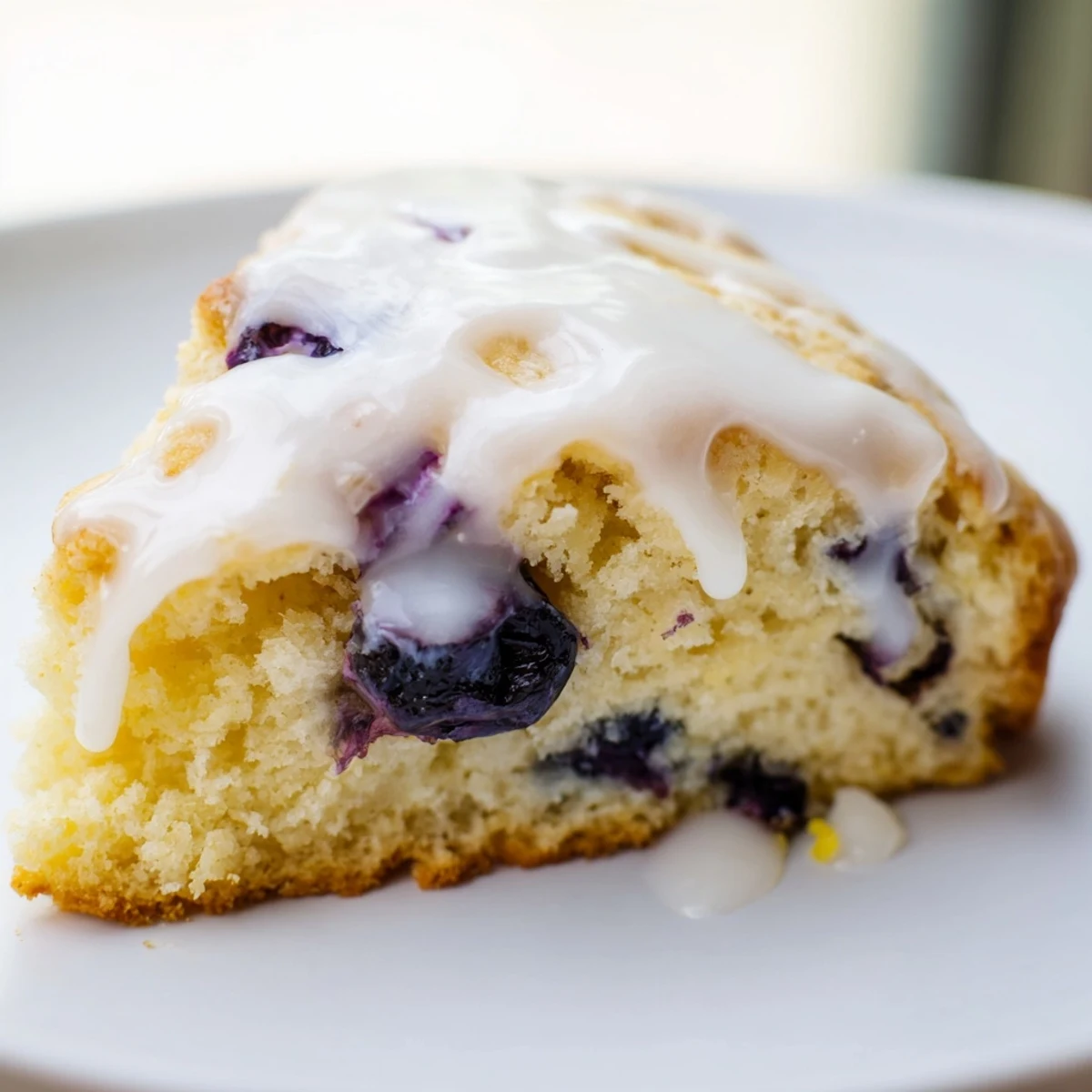
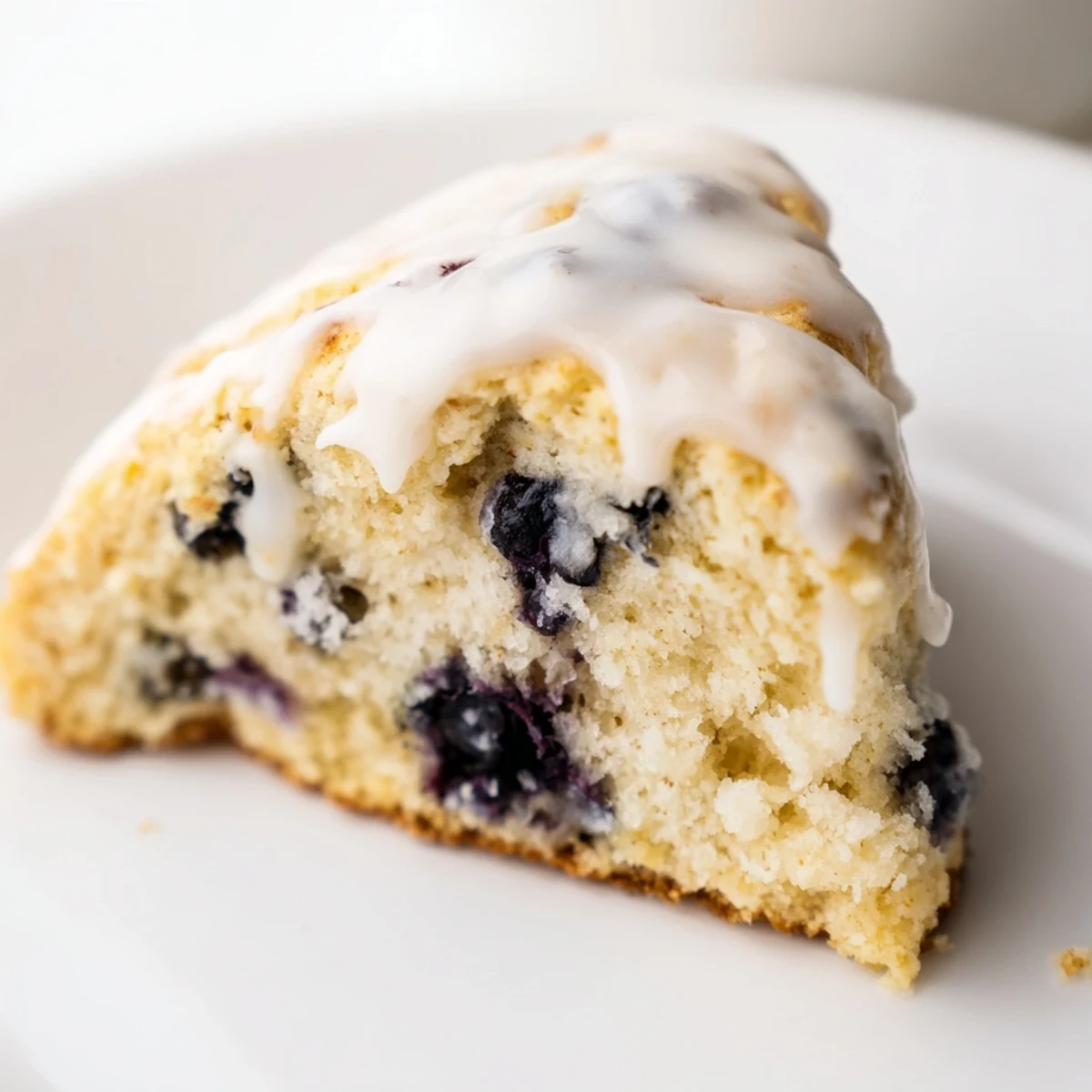
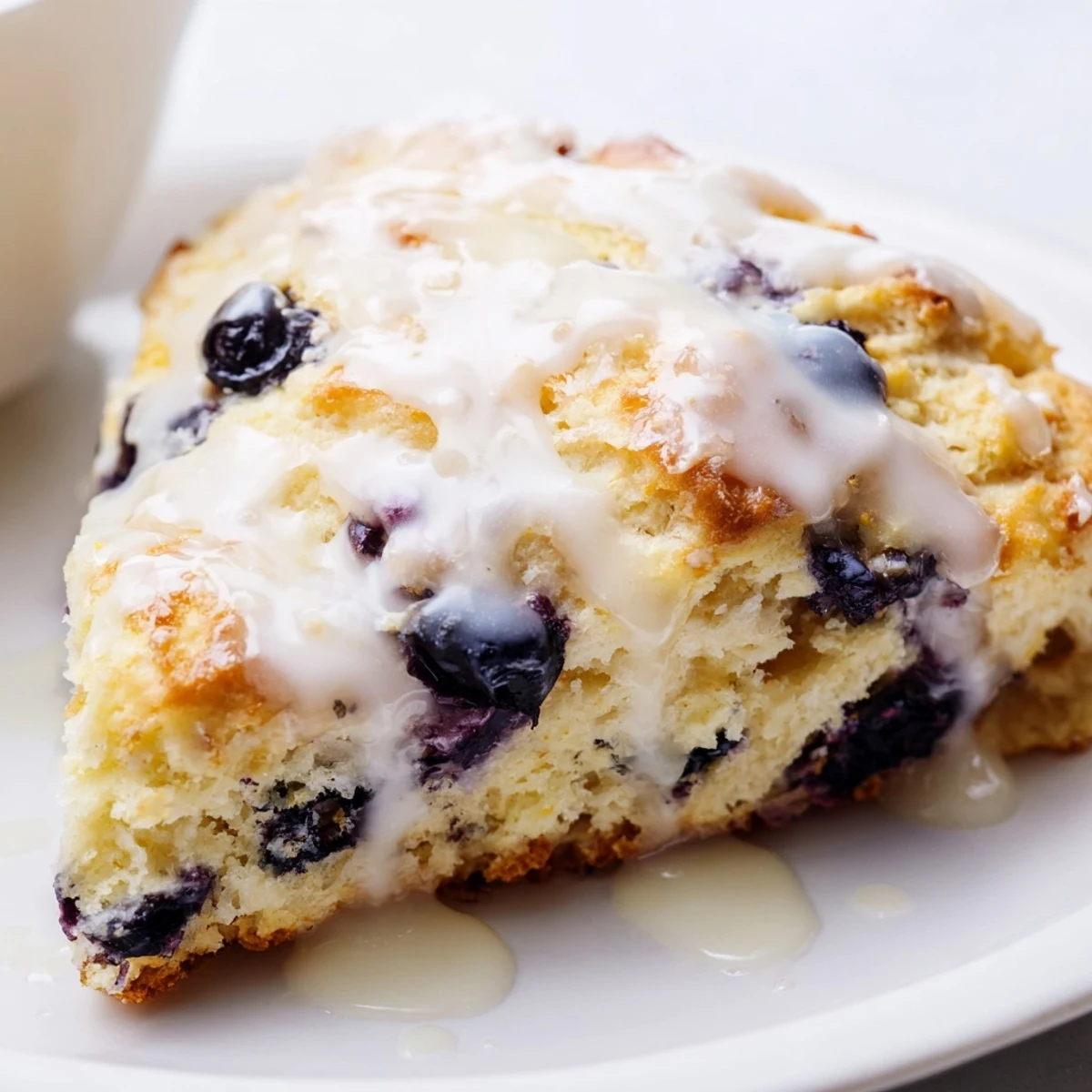
 These tender, buttery scones are filled with fresh blueberries and bright lemon zest. Baked until golden and crisp, they are finished with a drizzle of luscious sweet vanilla glaze. Perfect for a leisurely breakfast or elegant brunch, this treat balances tart and sweet flavors effortlessly. Serve warm with clotted cream for an extra indulgent experience.
There's something almost magical about the moment lemon and blueberry come together in the oven, filling your kitchen with this warm, citrus-tinged sweetness that makes you pause whatever you're doing. I discovered these scones on a lazy Saturday morning when I was craving something that felt both indulgent and somehow like home, and they've been my go-to ever since. The buttery texture, the burst of juicy berries, and that bright lemon zest hitting all at once—it's the kind of simple thing that becomes extraordinary with just a little care. Once you make them, you'll understand why people hoard scone recipes like secrets.
I'll never forget the first time I made these for my neighbor Sarah—she'd mentioned offhand that she missed her grandmother's scones from England—and when she bit into one, she got this look on her face like she'd traveled back in time. That's when I realized these aren't just scones; they're the kind of small gesture that lands differently than you expect.
Ingredients
- All-purpose flour (2 cups): This is your foundation—don't sift it unless your flour is really clumpy, as over-working develops gluten and makes scones tough instead of tender.
- Granulated sugar (1/3 cup): Keeps the scones subtly sweet without overpowering the lemon and blueberry.
- Baking powder (1 tablespoon): The key to that light, lift-as-they-bake texture—make sure yours is fresh, not sitting in the cabinet for three years.
- Salt (1/2 teaspoon): A small amount that makes everything taste more like itself.
- Lemon zest (1 tablespoon): The bright heart of these scones—use a microplane for fine, fragrant zest that distributes evenly throughout the dough.
- Unsalted butter, cold and cubed (1/2 cup): Cold butter creates those little pockets that turn into flaky layers as they bake, so keep it in the freezer until the last possible moment.
- Heavy cream (2/3 cup, plus more for brushing): Creates richness and helps bind everything without making the dough tough the way too much mixing would.
- Egg (1 large): Adds structure and helps the scones brown beautifully in the oven.
- Pure vanilla extract (1 teaspoon): A warmth that complements the lemon without competing with it.
- Fresh blueberries (1 cup): Use frozen straight from the freezer if fresh aren't available—they hold their shape better and won't bleed purple throughout your dough.
- Confectioners sugar (1 cup, sifted): For the glaze, creating that sweet, silky finish.
- Milk or cream (2 tablespoons): Thins the glaze to a drizzle consistency without making it runny.
- Pure vanilla extract for glaze (1/2 teaspoon): Echoes the vanilla in the dough and adds depth to the final coating.
Instructions
- Get your oven ready and set the stage:
- Heat your oven to 400°F and line a baking sheet with parchment paper. This small step prevents sticking and means less cleanup later, which is never a bad thing.
- Combine the dry ingredients:
- In a large bowl, whisk together the flour, sugar, baking powder, salt, and lemon zest. You'll notice the zest distribute throughout—that's exactly what you want.
- Work in the cold butter:
- Add the cubed butter and use a pastry cutter, two forks, or your fingertips (honestly, fingertips work great and feel more connected to the process) to break it into the flour until the mixture looks like coarse breadcrumbs. Don't overwork this—the little butter pieces are what create flakiness.
- Mix the wet ingredients:
- In a small bowl, whisk together the cream, egg, and vanilla until just combined. Pour this over your dry mixture and gently stir with a fork until everything just barely comes together—lumps are your friend here.
- Fold in the blueberries:
- Add the blueberries and fold them in gently with a spatula, being careful not to crush them or overwork the dough. A few streaks of blue are beautiful; a purple dough is a sign you've gone too far.
- Shape the dough:
- Turn the dough onto a lightly floured surface and pat it into a circle about 1 inch thick. You're not kneading—you're just coaxing it into shape.
- Cut and arrange:
- Cut the circle into 8 wedges like you're slicing a pizza, and transfer them to your prepared baking sheet, leaving a little space between each one so they can puff up without touching.
- Give them a golden finish:
- Brush the tops lightly with extra cream, which helps them brown and gives them that bakery-perfect appearance.
- Bake until golden:
- Bake for 18–22 minutes, watching until they're golden brown and a toothpick inserted into the center comes out clean. Cool them on a wire rack so air can circulate underneath.
- Make and apply the glaze:
- Once the scones have cooled slightly, whisk together the confectioners sugar, milk, and vanilla until smooth. Drizzle it over the cooled scones with a fork or small spoon, letting it pool in the crevices.
 Save to Pinterest
 I think what makes these scones special is that moment when someone bites into one and their eyes light up. They're not expecting the buttery crumb, the burst of blueberry, that hit of lemon, and then the sweetness of the glaze all at once. It's a small pleasure, but it's complete.
Why Cold Butter Matters More Than You Think
The difference between a tender, flaky scone and a dense, crumbly one comes down to those little pockets of cold butter throughout the dough. As the scones bake, the butter melts, leaving behind tiny air pockets that create that signature scone texture. If your butter is warm or soft, it gets incorporated smoothly into the dough instead of creating those pockets, and you lose all that flakiness. I learned this the hard way by leaving my butter on the counter for five minutes too long, and the resulting scones were edible but disappointing—more like a muffin with blueberries in it.
The Lemon and Blueberry Balance
The magic of this combination is that lemon and blueberry don't compete—they enhance each other. The lemon zest brightens the sweet, earthy blueberries, while the berries add juiciness and body to what could otherwise be a one-note citrus scone. If you want to amplify the lemon even more, add a tablespoon of fresh lemon juice to the glaze, but start conservatively because acidity can curdle cream or milk if you're not careful. I've also played with adding a tiny pinch of ground ginger to the dry ingredients, which adds an unexpected warmth that somehow makes the whole thing feel more sophisticated.
Storage and Making Them Last
Scones are genuinely best the day they're made, warm and fresh, when the glaze is still a little soft. They'll keep in an airtight container for up to 2 days, though by day two they've lost some of their magic. Serve them with clotted cream or lemon curd if you want to make an ordinary breakfast feel like you're sitting in a British tea room. They also freeze beautifully before glazing—wrap them tightly and they'll keep for up to a month, then you can thaw and glaze them whenever the craving hits.
- Eat them warm if possible, or pop them in the oven at 300°F for a few minutes to refresh them.
- Make the glaze right before serving so it has that fresh, smooth look instead of crusting over.
- If you overbake them slightly, they're still delicious dunked in tea or coffee, so don't stress about the timer.
 Save to Pinterest
 These scones are proof that simple ingredients in the right proportions, treated with a little respect and attention, become something extraordinary. Make them for the people you love, or just make them for yourself on a quiet morning—either way, you'll understand why they never stay on the plate for long.
Recipe Questions & Answers
- → Can I use frozen blueberries?
-
Yes, use frozen blueberries directly from the freezer without thawing to prevent them from bleeding into the dough.
- → How do I store these?
-
Store in an airtight container at room temperature for up to two days for the best texture and flavor.
- → Can I add more lemon?
-
Absolutely, you can add one tablespoon of fresh lemon juice to the glaze for an extra citrusy kick.
- → What makes scones tender?
-
Using cold butter and cutting it into the flour until it resembles coarse crumbs creates tender, flaky layers.
- → How should I serve them?
-
These are best served warm, optionally paired with clotted cream, lemon curd, or a hot cup of tea.