
 Save to Pinterest
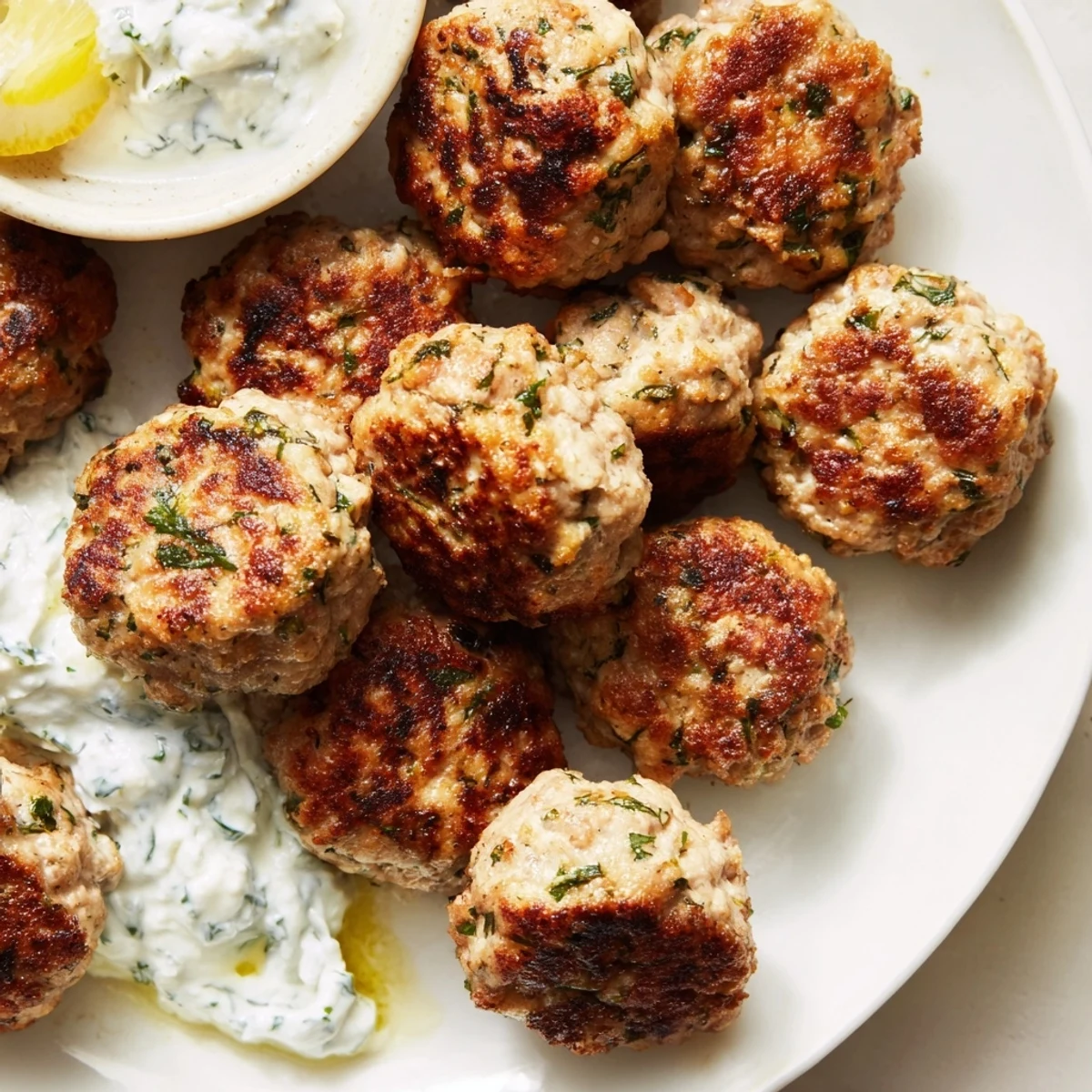
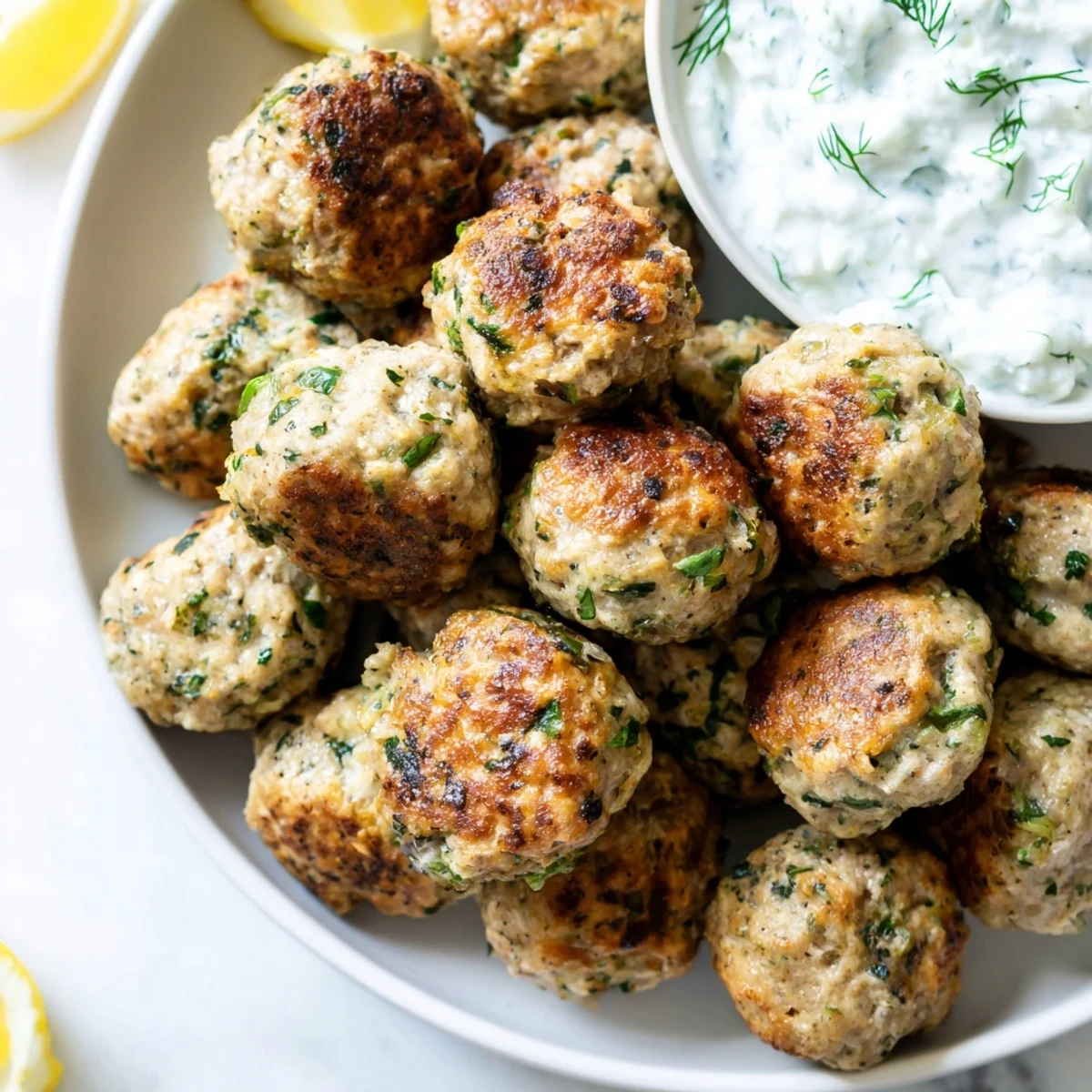
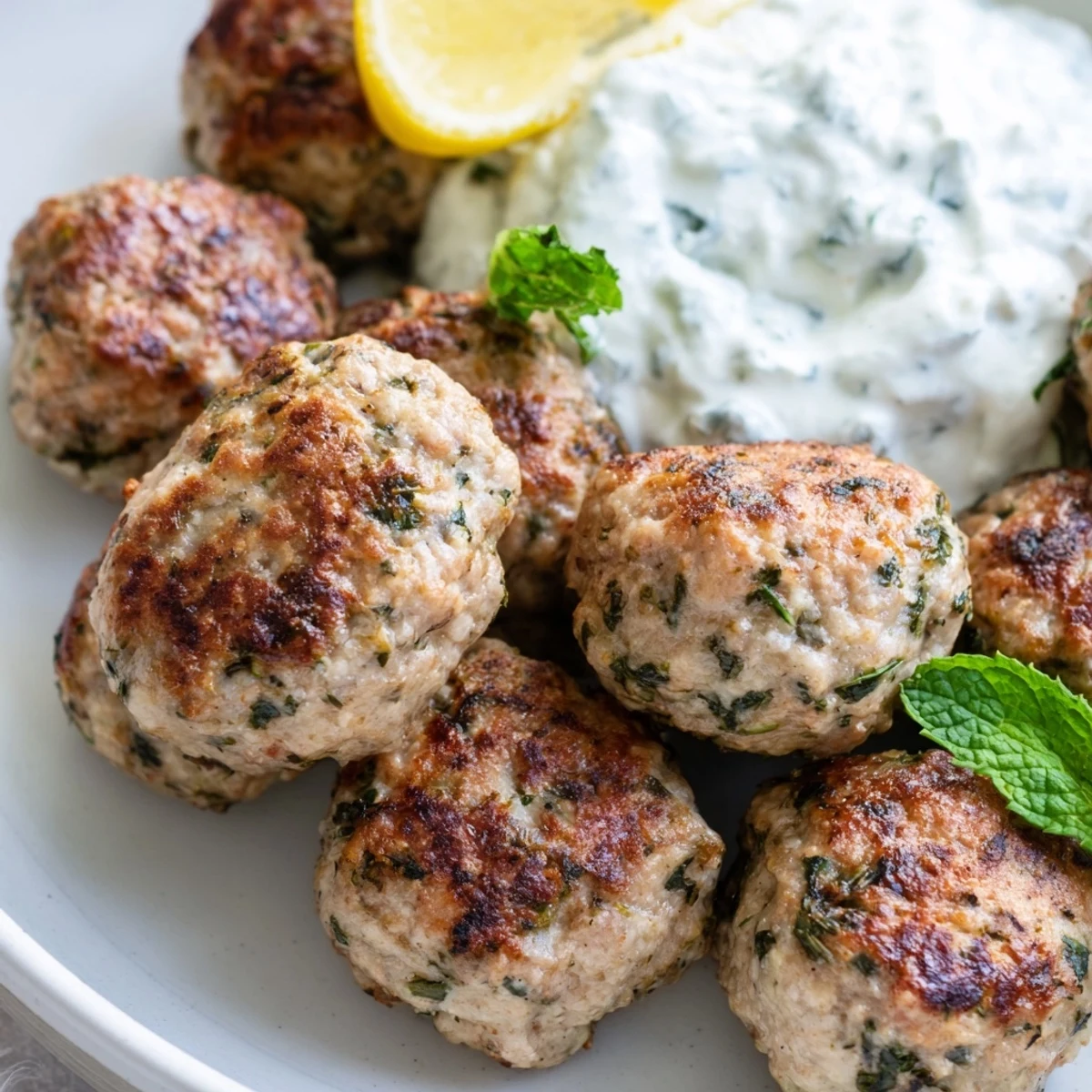
 These Greek turkey meatballs are bursting with Mediterranean flavors from fresh mint, parsley, oregano, and cumin. Ground turkey is mixed with aromatics and breadcrumbs, then shaped into bite-sized meatballs and pan-fried or baked until golden.
Served alongside a refreshing tzatziki made from full-fat Greek yogurt, grated cucumber, dill, and lemon juice, this dish delivers a satisfying balance of lean protein and creamy coolness.
Ready in under 45 minutes with minimal prep, it's an easy weeknight dinner that feels special enough for entertaining. Each serving packs 35 grams of protein at just 320 calories.
The smell of sizzling cumin and oregano hit me before I even realized what my neighbor was cooking over the fence one June afternoon. I leaned over, asked what it was, and she handed me a plate of these golden turkey meatballs with a swirl of tzatziki that changed my weeknight dinners forever. They were juicy, herb flecked, and light enough that I ate six without thinking. I went home and made them the very next evening, burning the first batch and loving every minute of it.
I brought a platter of these to a potluck last summer and watched a friend who claims to hate turkey go back for thirds. She cornered me by the dessert table and demanded the recipe, spit and all, which is the highest compliment I know.
Ingredients
- 500 g ground turkey: Lean works but the darker meat adds moisture and richer flavor, so choose a blend if you can find one.
- 1/2 cup breadcrumbs: These bind everything gently and keep the texture tender rather than dense.
- 1 large egg: Acts as the glue that holds each meatball together without making them rubbery.
- 2 garlic cloves, minced: Fresh garlic only, the jarred stuff loses its punch and these meatballs deserve better.
- 1 small onion, finely grated: Grating is nonnegotiable because it melts into the meat and keeps everything impossibly juicy.
- 2 tbsp fresh parsley, chopped: Adds a bright, grassy note that balances the warm spices.
- 1 tbsp fresh mint, chopped: This is what makes them taste Greek rather than generic, so do not skip it.
- 1 tsp dried oregano: Rub it between your palms before adding to wake up the essential oils.
- 1 tsp ground cumin: Gives a subtle earthiness that people notice but can never quite identify.
- 1/2 tsp salt: A baseline amount, you can adjust after tasting the tzatziki.
- 1/4 tsp black pepper: Freshly cracked makes a real difference here.
- 2 tbsp olive oil (for frying or baking): Use a good one for flavor but not your fanciest finishing oil.
- 1 cup Greek yogurt (full-fat preferred): Full fat is the secret to tzatziki that actually clings to the meatball instead of running off the plate.
- 1/2 large cucumber, peeled, seeded, and grated: Squeeze it like you mean it or your tzatziki will be soup.
- 1 garlic clove, minced: One is enough for the sauce because raw garlic builds heat as it sits.
- 1 tbsp fresh dill, chopped: Dill and cucumber are best friends and this is where the magic happens.
- 1 tbsp lemon juice: Brightens the whole bowl and cuts through the richness perfectly.
- 1 tbsp extra-virgin olive oil: A drizzle at the end makes the tzatziki taste luxurious.
- Salt and pepper, to taste: Season gradually and taste as you go.
- Lemon wedges: A squeeze at the table wakes everything up.
- Fresh parsley or dill, for garnish: Makes the plate look intentional with zero effort.
- Warm pita bread or salad (optional): Both are wonderful but these meatballs hold their own solo too.
Instructions
- Make the tzatziki first:
- Grate the cucumber, wrap it in a clean towel, and squeeze firmly until barely any moisture remains. Stir it into the yogurt with garlic, dill, lemon juice, olive oil, salt, and pepper, then tuck it into the fridge so the flavors can marry while you handle the meatballs.
- Mix the meatball base:
- In a large bowl, combine ground turkey, breadcrumbs, egg, garlic, grated onion, parsley, mint, oregano, cumin, salt, and pepper, using your hands to fold everything gently until just combined. Overmixing toughens the meat, so stop while it still looks a little shaggy.
- Shape the meatballs:
- Roll walnut sized portions between damp palms, aiming for 18 to 20 even pieces. Wet hands prevent sticking and give you smoother rounds.
- Cook them golden:
- Heat olive oil in a large nonstick skillet over medium heat and cook the meatballs in batches for 8 to 10 minutes, turning often, until deeply golden and cooked through. Alternatively, bake at 200 degrees C on a parchment lined sheet for 15 to 18 minutes, flipping halfway.
- Plate and serve:
- Arrange the meatballs with a generous swoop of tzatziki, scatter herbs and lemon wedges around the plate, and watch everyone lean in closer.
 Save to Pinterest
 One rainy November evening I plated these for my partner and our dog sat between us staring at the tzatziki bowl with an intensity I have never seen before or since. We gave him a tiny taste on a spoon and he licked the wall afterward, which is either a glowing review or a behavioral problem. Either way, these meatballs now mean warm kitchens and loud laughter to me.
Leftovers Worth Fighting Over
Cold meatballs straight from the fridge with a smear of leftover tzatziki on crusty bread might actually be better than the hot version. I discovered this by accident after a late night fridge raid and now I intentionally hide extras behind the milk carton.
Making It Your Own
Swap the turkey for ground lamb and suddenly you have something that tastes like a Greek grandmother made it. A pinch of cinnamon in the meat mixture is unconventional but adds a warmth that surprises people in the best way.
Getting Ahead of the Rush
The meatball mixture can be made a day ahead and kept covered in the fridge, which means weeknight cooking becomes fifteen minutes of pan frying instead of a full production. I shape them during Sunday meal prep and feel like a genius on Wednesday.
- Freeze raw shaped meatballs on a sheet pan, then transfer to a bag for up to three months.
- Cooked meatballs reheat beautifully in a 175 degree C oven for about ten minutes.
- Always double the tzatziki because you will run out and be sad.
 Save to Pinterest
 Keep these in your back pocket for nights when you want something that feels special without spending an hour at the stove. They have never once let me down, and I suspect they will become your new reliable favorite too.
Recipe Questions & Answers
- → Can I bake the turkey meatballs instead of frying them?
-
Yes, baking is a great option. Preheat your oven to 200°C (400°F), arrange the meatballs on a parchment-lined baking sheet, brush lightly with olive oil, and bake for 15–18 minutes, turning halfway through, until golden brown and cooked through.
- → How do I keep turkey meatballs from drying out?
-
The key is not overworking the mixture when combining ingredients. Mix gently until just combined. The breadcrumbs and egg help retain moisture, and the grated onion adds natural juices. Avoid overcooking — they should reach an internal temperature of 74°C (165°F).
- → How long does homemade tzatziki last in the fridge?
-
Homemade tzatziki keeps well in an airtight container in the refrigerator for up to 2 days. In fact, making it ahead allows the garlic and dill flavors to meld beautifully. Be sure to squeeze all excess water from the cucumber to prevent it from becoming watery.
- → Can I substitute ground turkey with another meat?
-
Absolutely. Ground chicken works as a direct substitute with similar results. Ground lamb adds a richer, more traditional Greek flavor but will increase the fat content. Adjust seasoning slightly depending on the meat you choose.
- → What should I serve with Greek turkey meatballs and tzatziki?
-
Warm pita bread and a simple side salad are classic pairings. You can also serve them over rice, alongside roasted vegetables, or stuffed into a flatbread wrap with tomatoes and cucumbers. A crisp white wine like Assyrtiko or Sauvignon Blanc complements the Mediterranean flavors beautifully.
- → Can I make this dish gluten-free?
-
Yes, simply replace the regular breadcrumbs with gluten-free breadcrumbs. Everything else in the meatballs and tzatziki is naturally gluten-free. Serve with gluten-free pita or over a salad instead of traditional bread.