
 Save to Pinterest
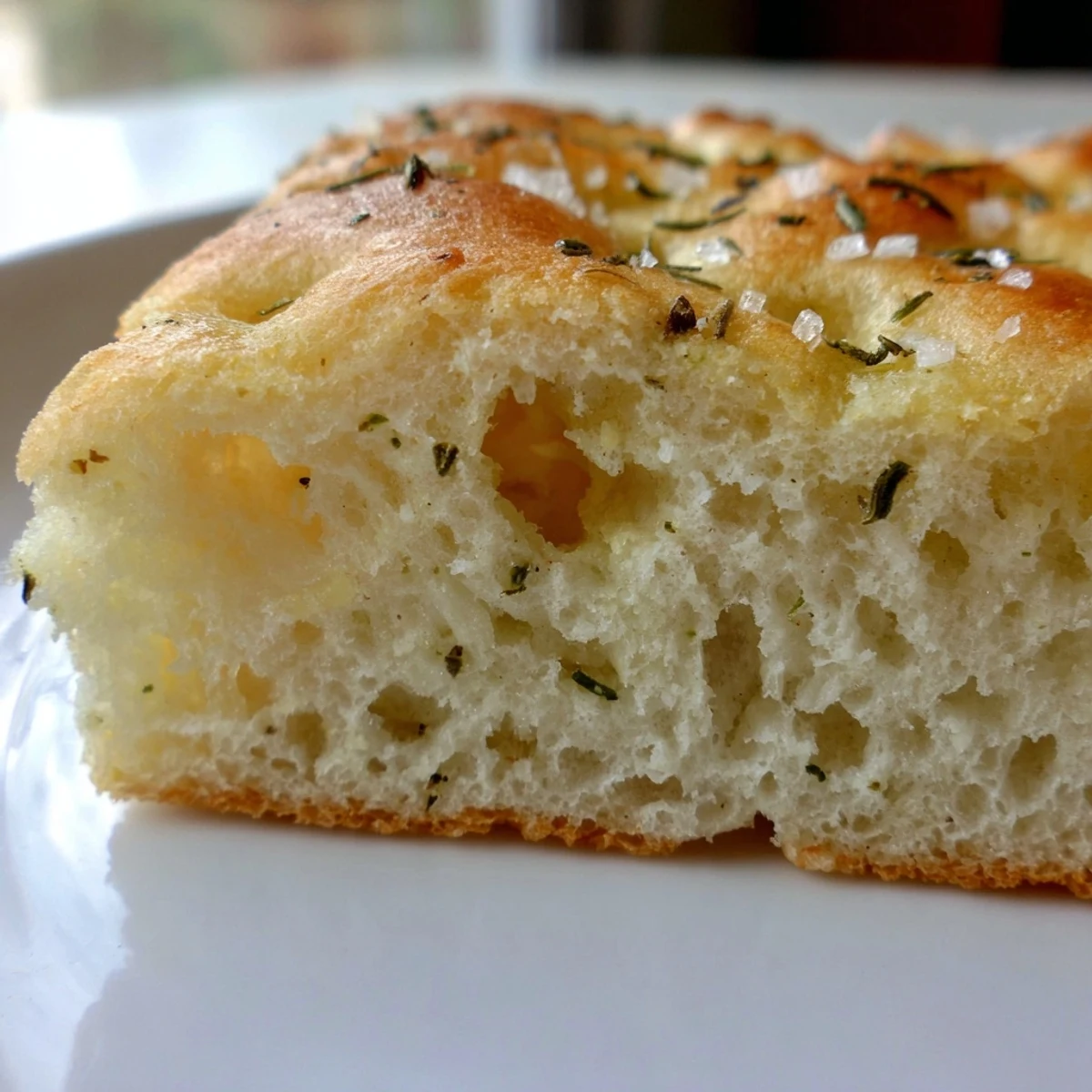
 This focaccia bread offers a fragrant and soft texture, enriched with minced garlic and fresh rosemary. The dough is kneaded until elastic, allowed to rise twice for lightness, then topped with garlic-herb olive oil and flaky sea salt before baking to golden perfection. Serve warm for a comforting accompaniment or as bread for sandwiches, with optional herbs like thyme or oregano for variation.
The first time I made focaccia, I wasn't trying to impress anyone—I just wanted to understand why this bread felt so different from everything else I'd baked. There's something almost forgiving about focaccia, the way it invites your fingers to press little dimples into its surface before it goes into the oven. That tactile moment, combined with the smell of garlic and rosemary hitting hot oil, changed how I thought about bread-making entirely.
I made this for my sister on a rainy Sunday afternoon, and she sat at my kitchen counter watching the oven light like it was the most entertaining thing that had happened all week. When it came out golden and crispy, she tore off a piece still steaming and closed her eyes. That's when I knew I'd finally nailed it—not because the bread was perfect, but because it made someone genuinely happy in that simple, uncomplicated way only good food can.
Ingredients
- Bread flour (500 g): The higher protein content gives focaccia its characteristic chew; all-purpose flour works but won't develop quite the same structure.
- Instant dry yeast (7 g): Don't confuse this with active dry yeast, which needs a slightly longer rise time.
- Warm water (350 ml): Too hot and you'll kill the yeast; too cool and the dough will rise sluggishly—aim for just warm to the touch.
- Extra virgin olive oil (60 ml for dough, 3 tbsp for topping): This is where flavor lives; don't skimp on quality here.
- Fresh rosemary (2 tbsp): Fresh makes all the difference, but dried rosemary will work in a pinch—just use half the amount.
- Garlic (3 cloves): Mince it fine so it distributes evenly and won't scorch in the oven.
- Flaky sea salt (1 tsp topping, 10 g in dough): The finishing salt should be coarse enough to see; it adds texture and bursts with flavor.
Instructions
- Mix the dry ingredients:
- In a large bowl, whisk together bread flour, instant yeast, and sea salt until completely combined. This prevents pockets of unmixed yeast that could create salty or bland spots in your finished loaf.
- Bring the dough together:
- Pour in warm water and olive oil, then stir with a wooden spoon until a shaggy, sticky dough forms. Don't worry if it looks rough—that's exactly what you want at this stage.
- Knead until silky:
- Turn the dough onto a lightly floured surface and knead for 8–10 minutes by hand, or 6–8 minutes in a stand mixer with the dough hook. You'll feel it transform from sticky and rough to smooth and elastic; this is the gluten developing and giving your bread structure.
- First rise:
- Place the dough in a clean, oiled bowl, cover with plastic wrap or a damp towel, and let it rise in a warm spot for about 1 hour until it roughly doubles in size. A warm corner of your kitchen, an oven with the light on, or even a sunny windowsill all work perfectly.
- Shape and second rise:
- Lightly oil a 23x33 cm baking pan, then gently stretch the dough to fit the pan—don't force it, just coax it into shape. Cover and let it rise again for 30–40 minutes until puffy and light.
- Dimple and top:
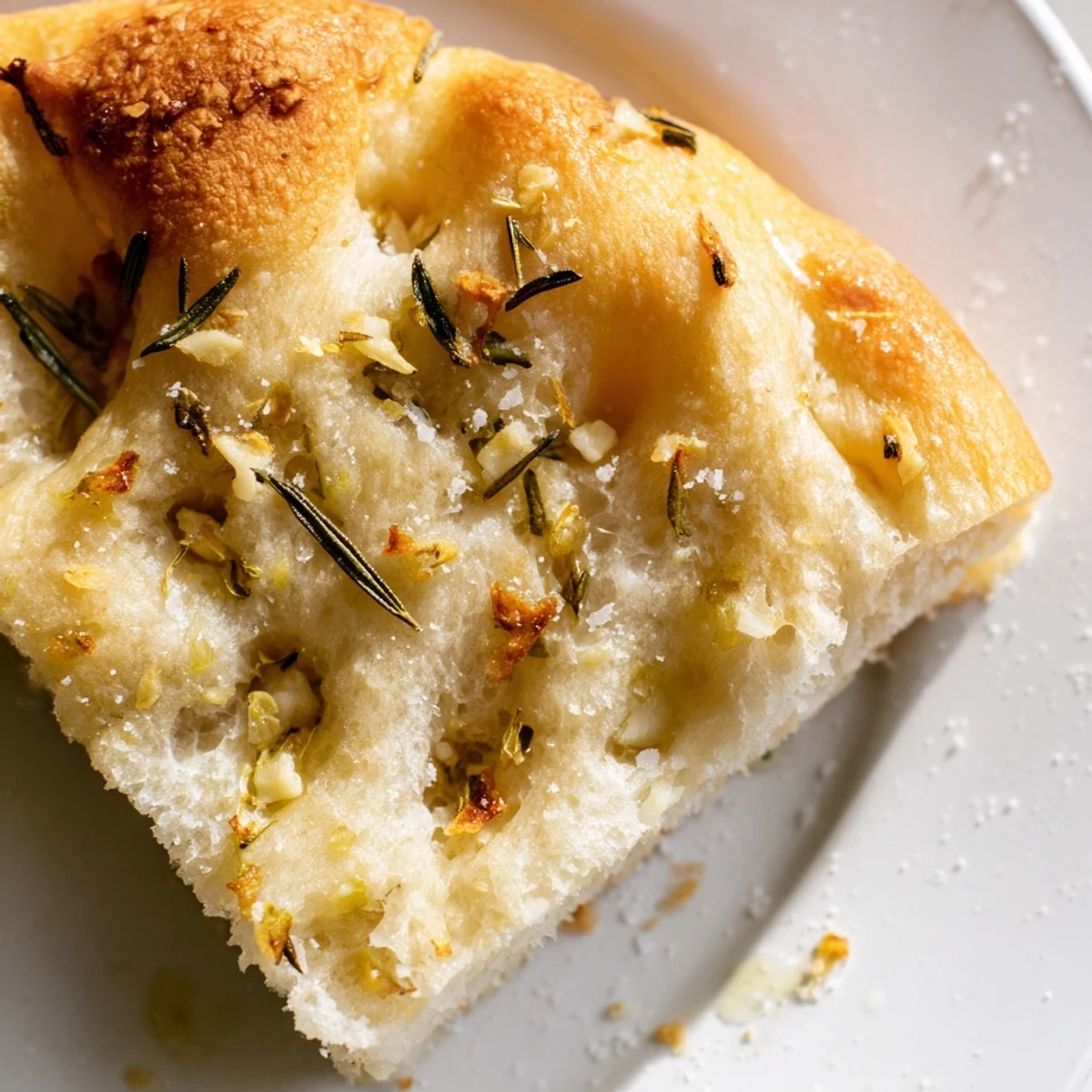
- While the dough finishes rising, preheat your oven to 220°C. Mix olive oil with minced garlic and chopped rosemary in a small bowl. Using your fingertips, press gentle dimples all over the dough surface, then drizzle the garlic-herb oil evenly over the top, working it into those indentations so every bite has flavor.
- Bake until golden:
- Bake for 22–25 minutes until the top is golden brown and the bread sounds hollow when tapped on the bottom. The kitchen will smell incredible, and that's your sign it's almost done.
- Cool and serve:
- Let the focaccia cool for just a few minutes before slicing—it's best eaten warm, when the crumb is still tender and the crust has a slight crunch.
 Save to Pinterest
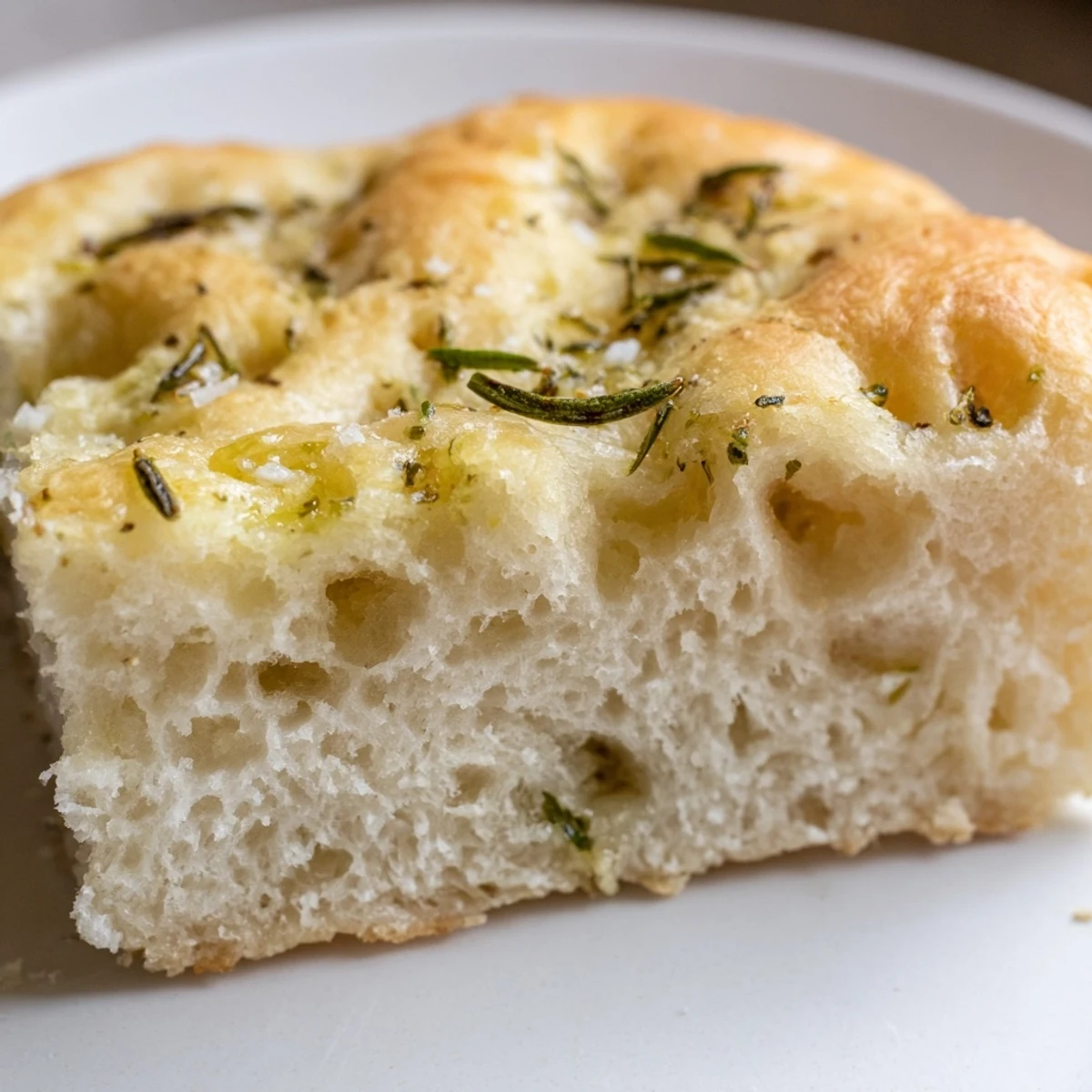
 There's a moment right when focaccia comes out of the oven when it stops being just bread and becomes something almost indulgent—the garlic has infused every layer, the herbs have crisped slightly, and the whole thing is still warm enough that the olive oil shimmers on top. That's when you know you've made something worth making again.
Why Focaccia Became My Go-To Bread
Once I figured out the timing, I started making focaccia for everything—a side for soup, a base for sandwiches, even just torn apart with good olive oil for snacking. What surprised me most was how forgiving the dough is; if your rise takes a bit longer because your kitchen is cool, or a bit shorter because it's warm, the bread still turns out delicious. It's the kind of recipe that builds confidence, and before long, I was experimenting with different herbs and toppings.
The Magic of Fresh Garlic and Herbs
I learned the hard way that dried garlic just isn't the same—it can turn bitter in the oven, and you lose that bright, peppery heat that makes focaccia so craveable. Fresh rosemary, meanwhile, smells almost piney when it hits the hot oil, which sounds simple until you taste how that transforms the entire bread. The combination of garlic and rosemary is classic for a reason; they're meant to live together.
Endless Variations and Ideas
Once you master the basic dough, focaccia becomes a canvas for whatever you have on hand or whatever you're craving that day. I've made it with thyme and coarse salt, with red pepper flakes and garlic, even with caramelized onions on top. The beauty is that the dough stays the same; only the flavor story changes. Here are a few directions to try next time:
- Substitute thyme or oregano for rosemary and add a pinch of red pepper flakes for warmth.
- Brush the finished loaf with more olive oil or a drizzle of aged balsamic vinegar for an entirely different character.
- Save your leftovers for sandwiches or slice them thin and toast them for crostini.
 Save to Pinterest
 Focaccia is one of those rare breads that tastes better when you slow down and actually pay attention while making it. The dimpling, the aroma of garlic and rosemary, the warmth of the oven—these small moments are part of what makes the final loaf so satisfying.
Recipe Questions & Answers
- → What makes focaccia soft and pillowy?
-
The dough is kneaded well and allowed to rise twice, creating lightness and a tender crumb texture in the focaccia.
- → How do garlic and rosemary enhance the bread?
-
Minced garlic and chopped rosemary infuse the bread with savory, aromatic flavors that complement the olive oil base.
- → Can I substitute other herbs for rosemary?
-
Yes, thyme or oregano can be used as alternatives to rosemary for different flavor profiles.
- → What oven temperature is best for baking this bread?
-
Preheating the oven to 220°C (425°F) ensures a golden and crisp crust while keeping the interior soft.
- → How should I prepare the dough before baking?
-
The dough is gently stretched into an oiled pan, dimpled with fingers to hold the herb oil, then left to rise again before baking.
- → Is it necessary to brush with olive oil after baking?
-
Brushing with olive oil right after baking keeps the crust softer and adds extra richness to the flavor.