
 Save to Pinterest
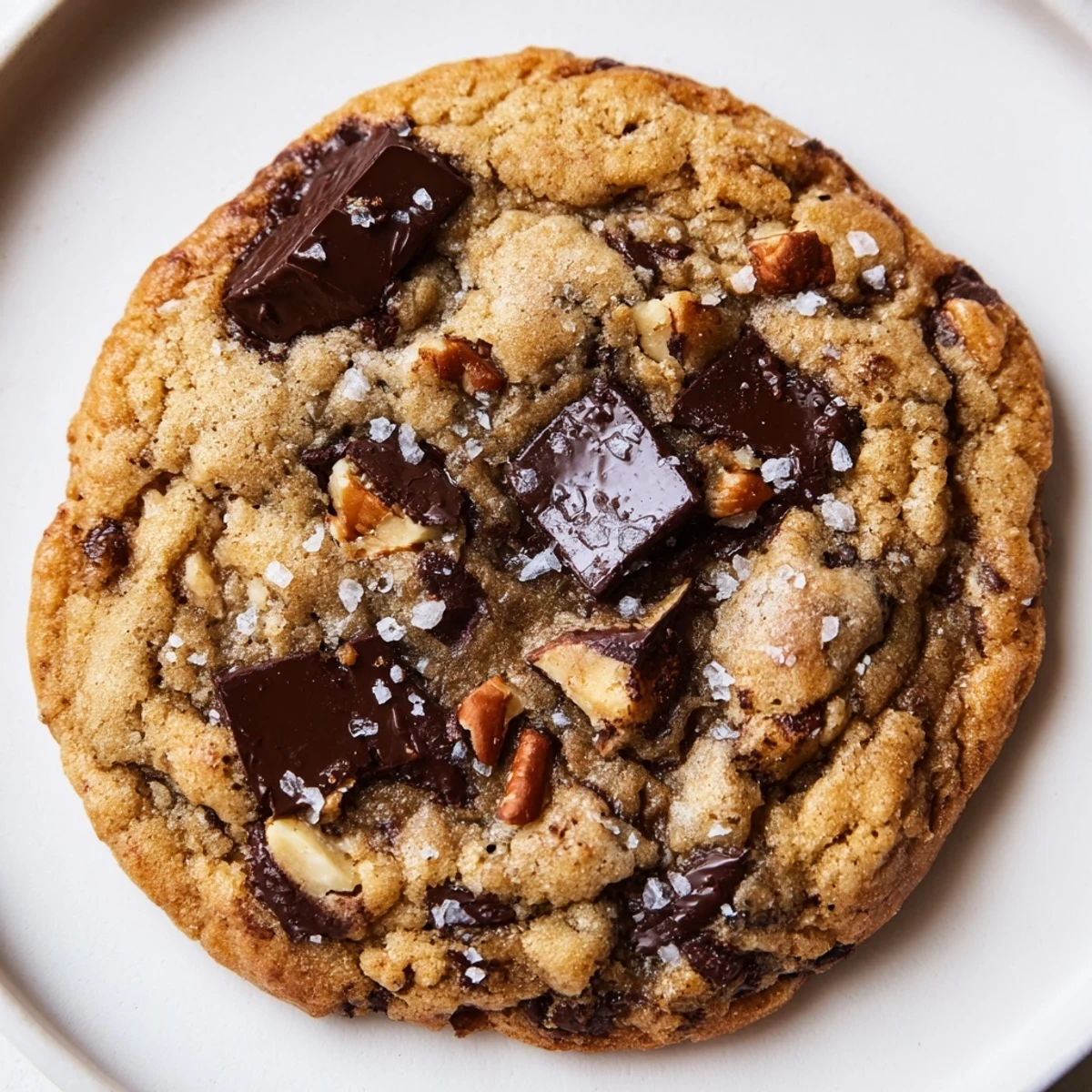
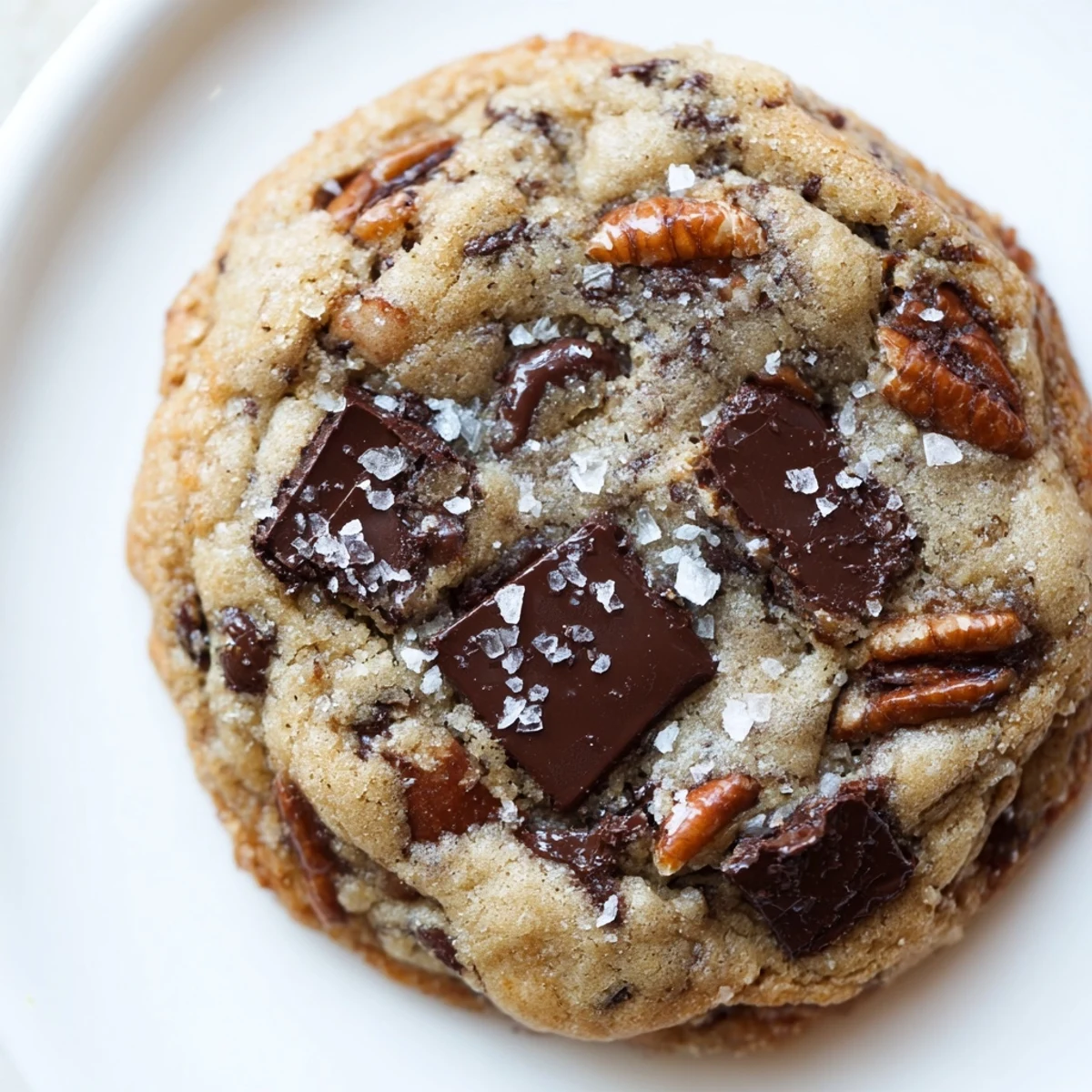
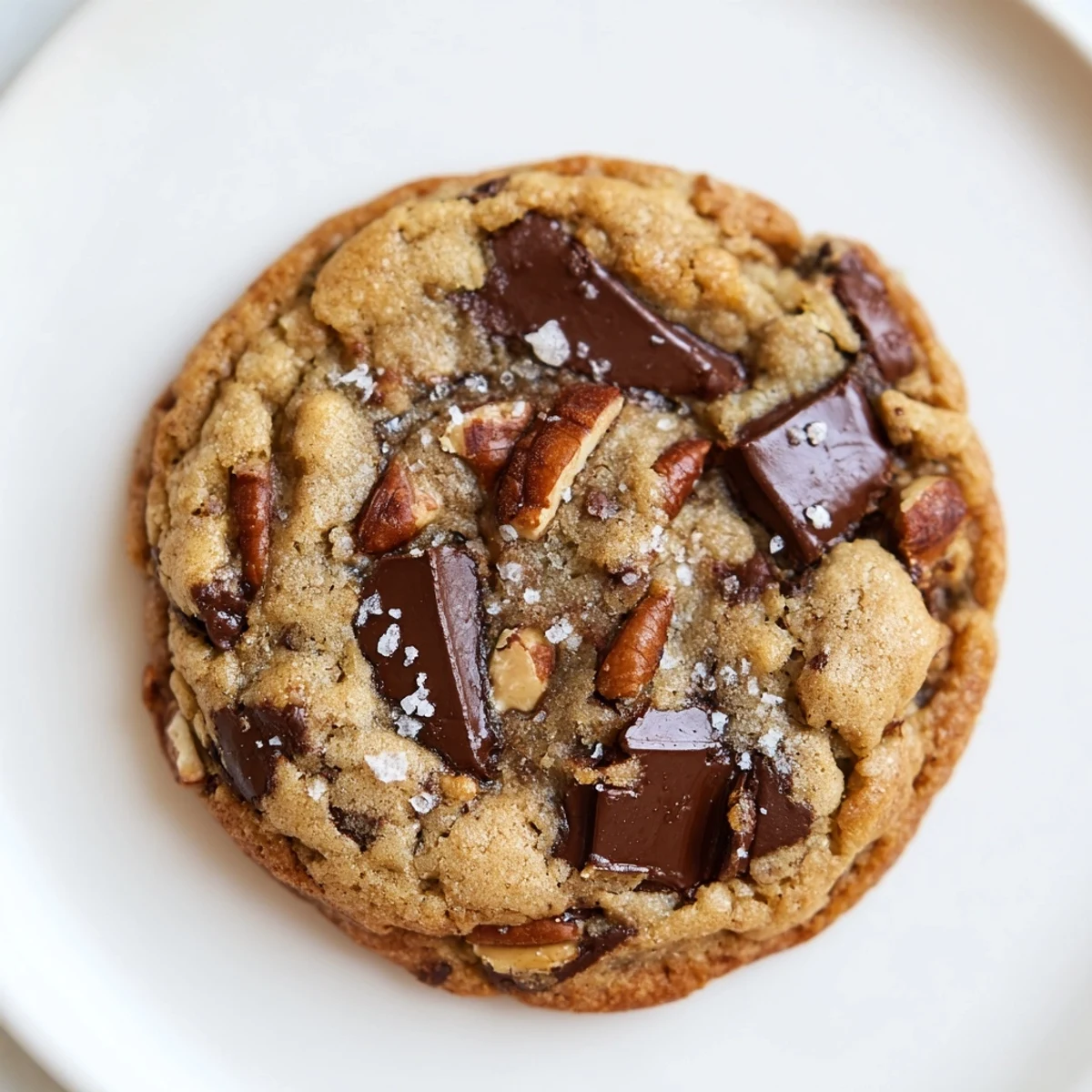
 These chewy chocolate chip cookies blend rich dark chocolate chunks with a delicate sprinkle of sea salt flakes, creating a delightful contrast of sweet and salty flavors. The dough combines butter, brown and granulated sugars, and vanilla for a tender, flavorful base that bakes to golden edges while staying soft inside. Optional nuts add texture, while a light touch of flaky salt on top amplifies the taste and brings out the chocolate’s depth. Perfect for a quick, satisfying dessert or snack with minimal prep time.
I learned about sea salt on cookies by accident, reaching for what I thought was the regular salt shaker while a batch cooled on my counter. Instead of ruining them, those flakes created this incredible contrast—suddenly, the sweetness made sense. Dark chocolate sang instead of just sitting there, and I realized I'd been making these cookies incomplete my whole life.
My sister brought these to a book club meeting and someone asked for the recipe before she'd even sat down. She texted me a photo of the empty plate with just one word: more. That's when I knew these weren't just cookies—they were the kind that makes people remember what they were doing when they ate one.
Ingredients
- All-purpose flour (2 1/4 cups): The backbone of chewiness; measure by scooping and leveling, not packing, or you'll end up with dense, tough cookies.
- Baking soda (1 teaspoon): Your secret to spread and browning; it's what makes the edges golden while centers stay tender.
- Fine sea salt (1/2 teaspoon in dough): Different from the flaky salt you'll sprinkle later; this dissolves into the dough and deepens chocolate flavor.
- Unsalted butter (1 cup), at room temperature: Room temperature matters because it creams properly and gives you lift; cold butter won't incorporate air, and that changes everything.
- Granulated sugar (3/4 cup) and brown sugar (3/4 cup): Brown sugar brings moisture and chewiness; this ratio is what keeps the centers soft while edges set.
- Eggs (2 large): They bind everything and add richness; cold eggs won't cream smoothly into butter, so leave them out for 30 minutes if you remember.
- Pure vanilla extract (2 teaspoons): Pure, not imitation, because imitation tastes thin and one-note against dark chocolate.
- Dark chocolate chips or chunks (2 cups): Chunks are better than chips because they stay chunky rather than melting into the dough; they give you pockets of chocolate intensity.
- Walnuts or pecans (1 cup, optional): Toast them yourself first if you want them to taste like something; store-bought ones can be stale.
- Flaky sea salt, for sprinkling: Maldon salt is the gold standard; the flakes stay crispy and don't dissolve into the dough like finer salts would.
Instructions
- Prep your oven and pans:
- Set the oven to 350°F and line two baking sheets with parchment paper. This 350-degree temperature is cooler than you might think, but it's what keeps the centers chewy instead of cake-like.
- Combine the dry ingredients:
- Whisk together flour, baking soda, and fine sea salt in a medium bowl. Whisking aerates the flour slightly and distributes the baking soda evenly so you don't hit any bitter pockets.
- Cream butter and sugars:
- In a large bowl, beat room-temperature butter with both sugars for about 2 minutes until the mixture is pale and fluffy. You're incorporating air here, which is what makes cookies rise and stay tender.
- Add eggs and vanilla:
- Add eggs one at a time, beating well after each, then mix in vanilla. This slow addition helps the eggs incorporate without breaking the emulsion.
- Bring wet and dry together:
- Add the dry mixture to the wet ingredients on low speed, mixing just until combined. Overmixing develops gluten, which toughens cookies; stop as soon as streaks of flour disappear.
- Fold in chocolate and nuts:
- Use a spatula to gently fold in chocolate chips and nuts if using. Spatula work is gentler than the mixer and respects the dough's delicate structure.
- Scoop and space:
- Spoon heaping tablespoons of dough onto parchment paper, leaving about 2 inches between each cookie. They spread, and crowded cookies fuse together or brown unevenly.
- Salt them before baking:
- Sprinkle a small pinch of flaky sea salt on top of each raw cookie. The salt dissolves slightly into the warm dough while baking, and some flakes stay crispy on the surface.
- Bake until edges set:
- Bake for 11 to 13 minutes; the edges should be golden but the centers still look slightly underdone. This is where faith comes in—they continue cooking on the hot pan after you pull them out.
- Cool strategically:
- Let cookies sit on the baking sheet for 5 minutes so they firm up enough to move, then transfer to a wire rack. The pan's residual heat finishes them gently instead of overbaking.
 Save to Pinterest
 I once made these for a neighbor who mentioned she hadn't baked in years because nothing ever turned out right. She ate one, went quiet for a moment, then asked if she could watch me make another batch. Turns out she just needed to see that it wasn't mysterious or precious—it was just butter, sugar, and not overthinking it.
The Magic of Dark Chocolate
Dark chocolate changes everything about a cookie because it doesn't compete with butter and brown sugar the way milk chocolate does. Instead, it deepens them, making the whole thing taste more sophisticated without any extra effort. I've had people taste these back-to-back with regular chocolate chip cookies and there's always this moment of recognition—they realize what was missing from their favorite childhood treat.
Salt as the Secret Ingredient
Most people think salt in desserts is strange until they taste it, and then they get it immediately. The flakes don't dissolve completely; some stay on the surface as little sharp contrast notes that make your brain sit up and pay attention. It's not about making things salty—it's about making sweet taste sweeter by giving it something to push against.
Storage and Keeping
These cookies keep for about five days in an airtight container, but they taste best on day two when the flavors have settled and the chewiness has deepened slightly. If you're making them ahead for something, bake them the day before rather than the same day. Room temperature is fine, though I sometimes reharm them gently for 30 seconds to bring back the soft center.
- Store in an airtight container with parchment between layers so they don't stick to each other.
- If they firm up too much, add a slice of bread to the container overnight to soften them back up.
- Freeze unbaked dough balls for up to three months and bake straight from frozen, adding a minute or two to the baking time.
 Save to Pinterest
 These cookies are the ones people ask about, remember, and request again. They're proof that sometimes the best recipes come from small accidents and paying attention to what your senses are telling you.
Recipe Questions & Answers
- → What makes these cookies chewy?
-
The combination of brown sugar and granulated sugar with butter creates a moist, tender texture that keeps the cookies chewy after baking.
- → Can I use different types of chocolate?
-
Yes, dark chocolate chunks or chips are recommended for richness, but milk or white chocolate can be substituted for a milder sweetness.
- → How does sea salt enhance the cookies?
-
Sprinkling flaky sea salt adds a crunchy texture and balances the sweetness with a pleasant savory contrast.
- → Are nuts necessary in this preparation?
-
Nuts like walnuts or pecans are optional, offering extra crunch and flavor but can be omitted for a nut-free version.
- → How can I ensure cookies stay soft inside?
-
Baking until edges are golden but centers remain slightly underbaked, then cooling on the baking sheet, helps maintain a soft interior.
- → What tools are essential for making these cookies?
-
Mixing bowls, an electric mixer or whisk, measuring cups, spatula, baking sheets, parchment paper, and a cooling rack are used in preparation.