
 Save to Pinterest
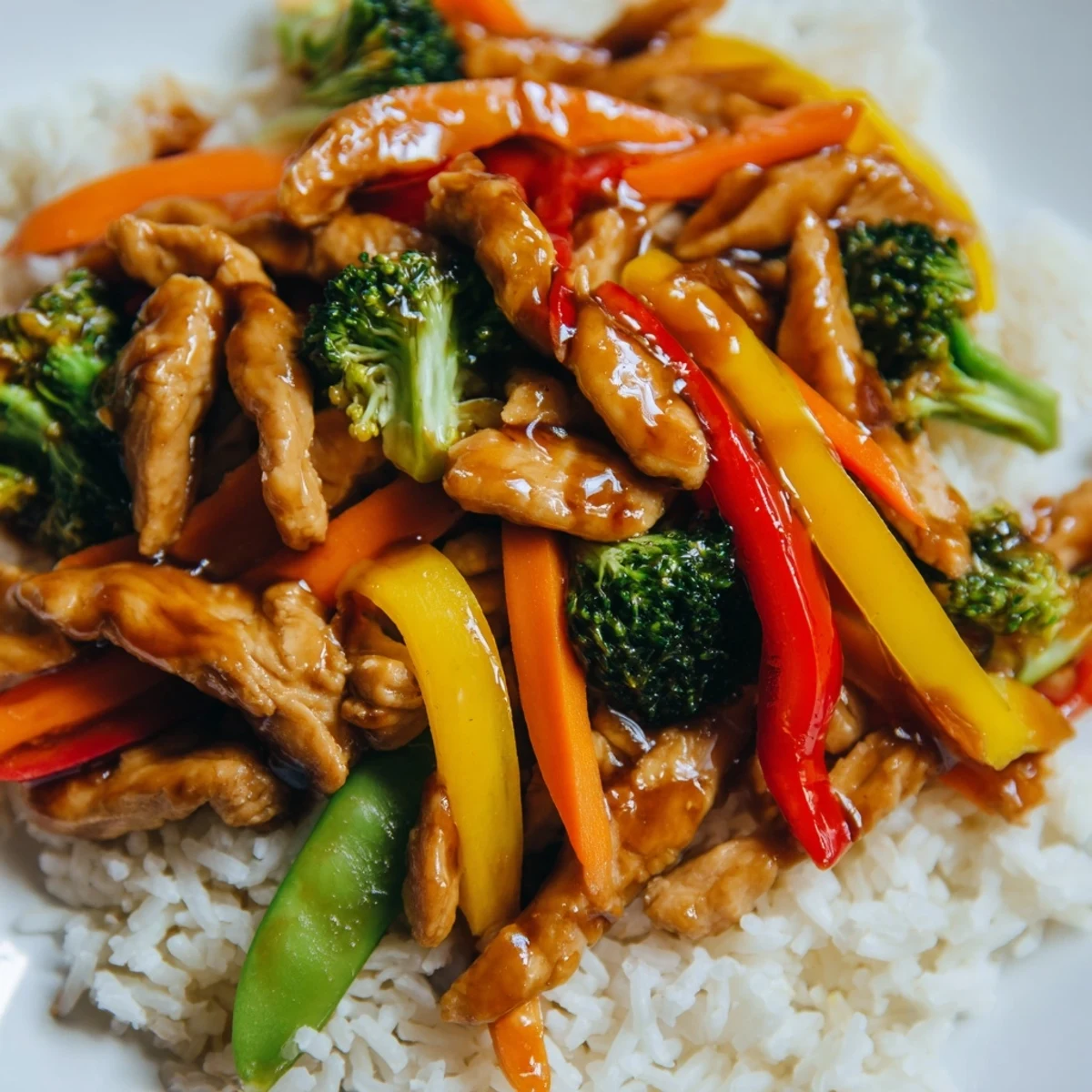
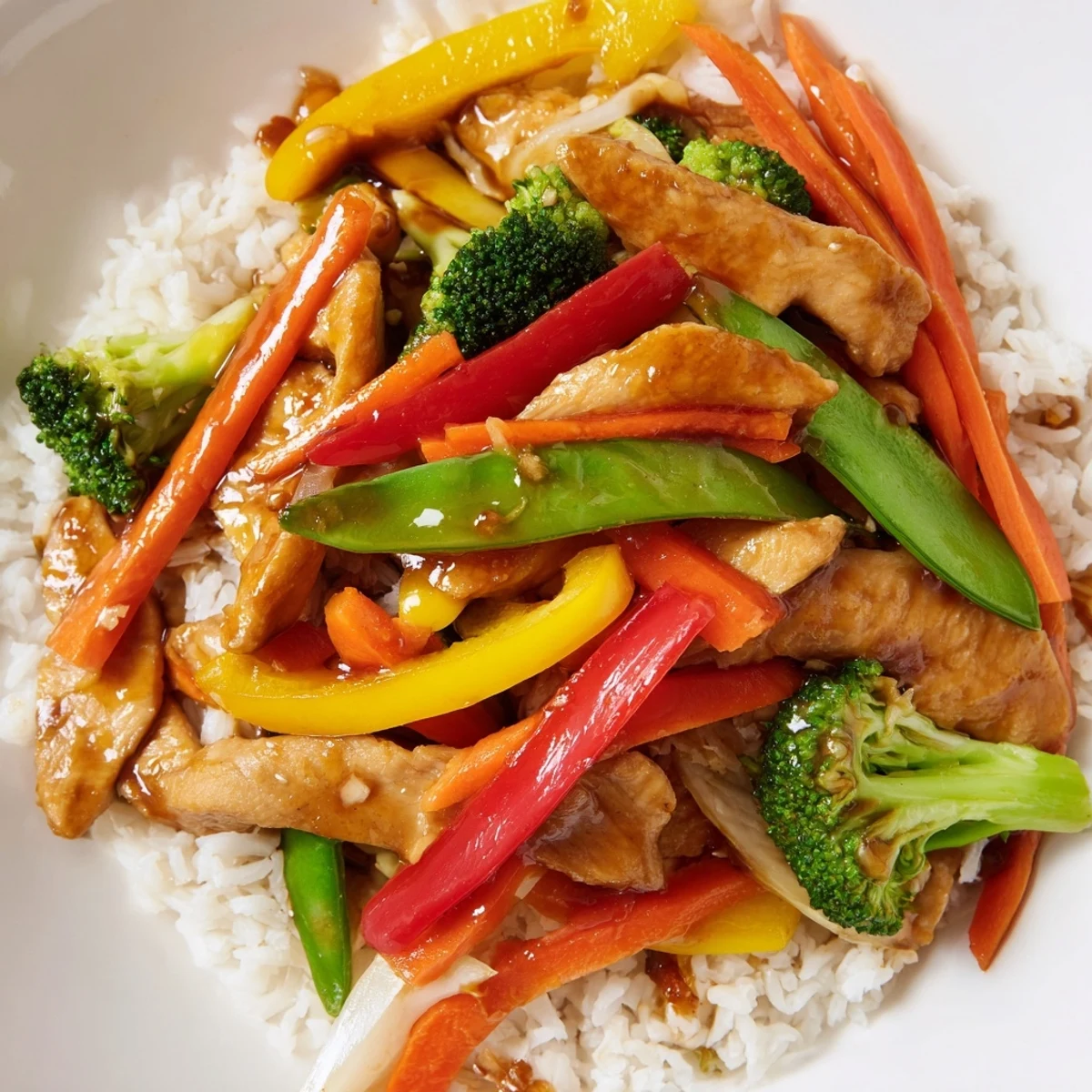
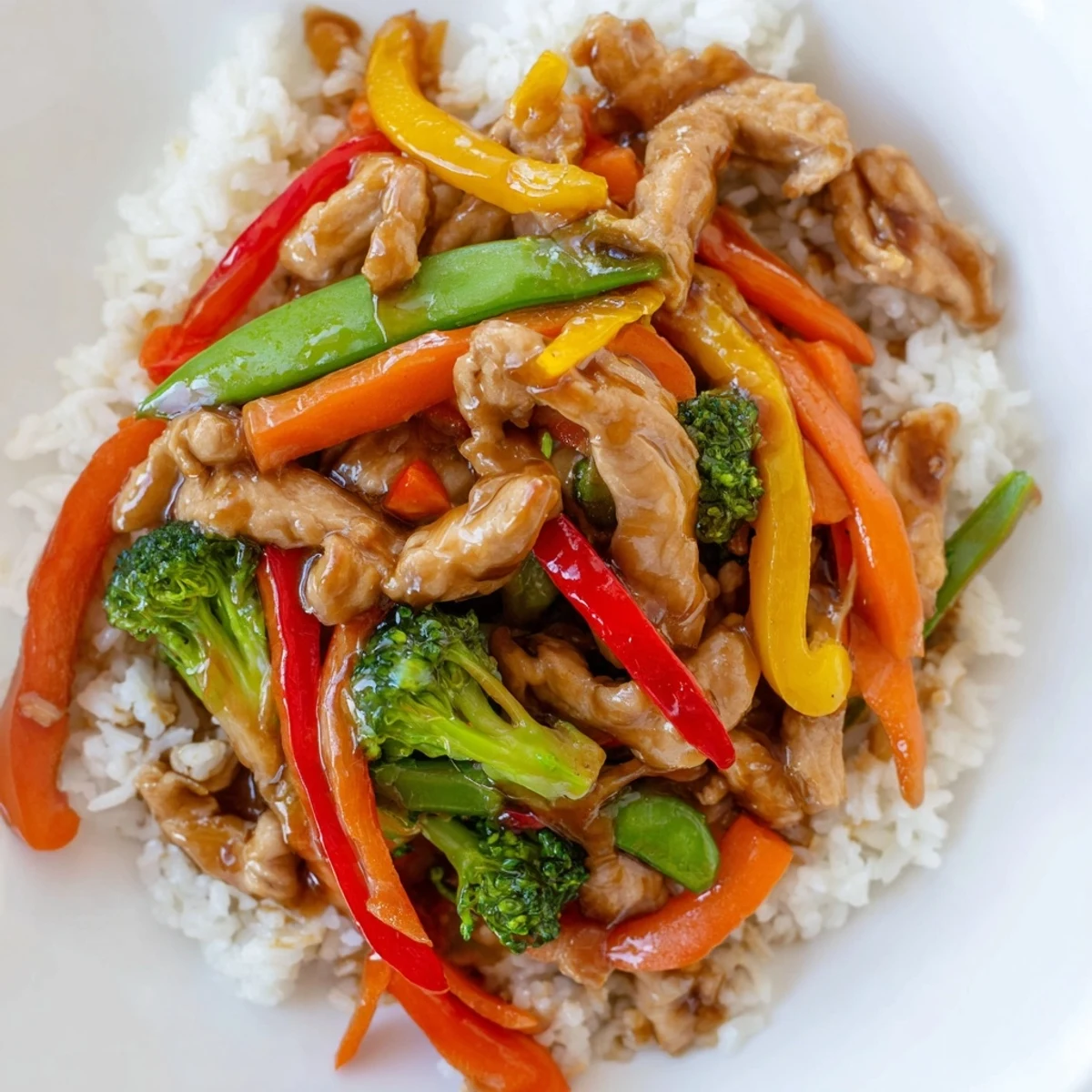
 This vibrant dish combines tender chicken slices with crisp bell peppers, carrots, and broccoli. Everything is tossed in a savory sauce made from soy, oyster sauce, and fresh aromatics like garlic and ginger. Served over fluffy jasmine rice, it creates a balanced and satisfying meal ready in under an hour.
There's something about the sound of chicken hitting hot oil in a wok that makes everything feel a little bit like cooking, not just assembling ingredients. I discovered this stir fry on a Tuesday night when I had exactly those vegetables in my crisper drawer and needed something that didn't feel like leftovers. The sauce came together in under a minute, and suddenly the whole kitchen smelled like a restaurant I couldn't quite remember but wanted to visit again.
I made this for my sister who claimed she didn't like stir fry because she'd only ever had the soggy kind from a buffet line. She ate two plates and asked for the recipe the next day. That's when I realized it wasn't about the concept, it was about respecting the vegetables enough to stop cooking them before they surrendered.
Ingredients
- Chicken breast: Sliced thin so it cooks quickly and stays tender, not rubbery. Freezing it for thirty minutes before slicing makes the knife work easier.
- Red and yellow bell peppers: They add sweetness and color, and they're forgiving if you slightly overcook them.
- Carrots: Julienning them thin means they finish cooking at the same time as everything else.
- Broccoli florets: Cut them small enough that they cook through but stay bright green and crisp.
- Snap peas: These go in near the end so they keep their snap and don't turn into mush.
- Spring onions: Reserve half for garnish so you get fresh onion flavor in every bite.
- Jasmine rice: It absorbs the sauce beautifully and has a subtle floral note that complements the savory chicken.
- Soy sauce: The backbone of the sauce, but don't use the cheap stuff if you can help it.
- Oyster sauce: This adds umami depth that makes people wonder what your secret ingredient is.
- Sesame oil: A little goes a long way, so measure it honestly.
- Rice vinegar: It balances the saltiness and adds a gentle brightness.
- Honey: Just enough to round out the flavors without making anything sweet.
- Garlic and ginger: Mince the garlic fine and grate the ginger fresh if you can.
- Chili flakes: Optional, but they're there if you want heat creeping up on you halfway through the meal.
Instructions
- Start the rice first:
- Rinsing the rice removes excess starch so it doesn't clump. Once it comes to a boil, reduce the heat immediately and cover it tight so no steam escapes.
- Build the sauce:
- Whisk everything together in a small bowl so the flavors get to know each other. This step takes two minutes but it saves you from frantically grabbing bottles when the wok is screaming hot.
- Cook the chicken:
- Don't crowd the pan or it steams instead of frying. Let it sit for a moment on each side so it develops color and flavor.
- Stir fry the firm vegetables:
- Carrots and broccoli need a head start because they take longer than peppers. Keep the heat medium-high so things actually fry instead of just getting warm.
- Add the quick vegetables:
- Snap peas and most of the spring onions go in toward the end so they stay crisp and bright. Two minutes is really all they need.
- Bring it all together:
- Return the chicken, pour in the sauce, and toss everything for a couple minutes so the sauce reduces slightly and coats everything evenly. It should smell incredible at this point.
- Serve over rice:
- Pile it onto the jasmine rice while everything is still hot, and scatter the reserved spring onions on top for a fresh finish.
 Save to Pinterest
 I learned that this dish is one of those meals that tastes like you cared, without actually demanding much from you. It turned weeknight cooking from a chore into something almost meditative, all that slicing and dicing and the rhythm of the wok.
Customizing Your Stir Fry
The beauty of stir fry is that it's genuinely forgiving about substitutions. Swap the chicken for tofu if you're avoiding meat, or use shrimp if you want something that cooks even faster. Add mushrooms or baby corn if you want more texture variety, or throw in some water chestnuts for crunch. The vegetables can shift with the season too, so winter might mean more carrots and cabbage while summer invites zucchini and bok choy.
The Sauce: Your Secret Weapon
This sauce is the difference between a pile of cooked vegetables and something that tastes intentional. The soy and oyster sauces give you salt and depth, the sesame oil adds a warm nuttiness, and the rice vinegar keeps everything from tasting heavy. I've made this sauce on autopilot enough times that I can now eyeball it, and I promise you'll get there too.
Timing and Heat
The whole meal comes together in forty minutes only if you prep your ingredients before you start cooking. Have everything sliced and sauced and ready on the counter, because once the heat is on, there's no time for knife work. The wok needs to be hot enough that things sizzle immediately when they hit the oil, so let it sit over the flame for a minute before you add anything.
- Cut your vegetables smaller than you think you need to so they finish cooking at the same time as the chicken.
- If something finishes cooking early, scoop it out and set it aside rather than letting it hang around getting softer.
- The whole process from cold pan to plated dinner is genuinely about thirty-five minutes if you're organized.
 Save to Pinterest
 This is the kind of meal that reminds you why cooking at home matters. You'll make it again next week.
Recipe Questions & Answers
- → What vegetables work best in this stir fry?
-
Bell peppers, carrots, broccoli, and snap peas provide excellent texture and color. You can also add mushrooms or baby corn for more variety.
- → Can I substitute the chicken?
-
Yes, tofu or shrimp are great alternatives that absorb the savory sauce well and cook quickly.
- → How can I make this dish gluten-free?
-
Simply replace regular soy sauce with tamari and ensure your oyster sauce is labeled gluten-free.
- → What type of rice is recommended?
-
Jasmine or long-grain white rice works best due to its fluffy texture and ability to soak up the sauce.
- → Is the sauce very spicy?
-
The sauce is savory and slightly sweet with a hint of heat from optional chili flakes. You can adjust the spice level to your preference.