
 Save to Pinterest
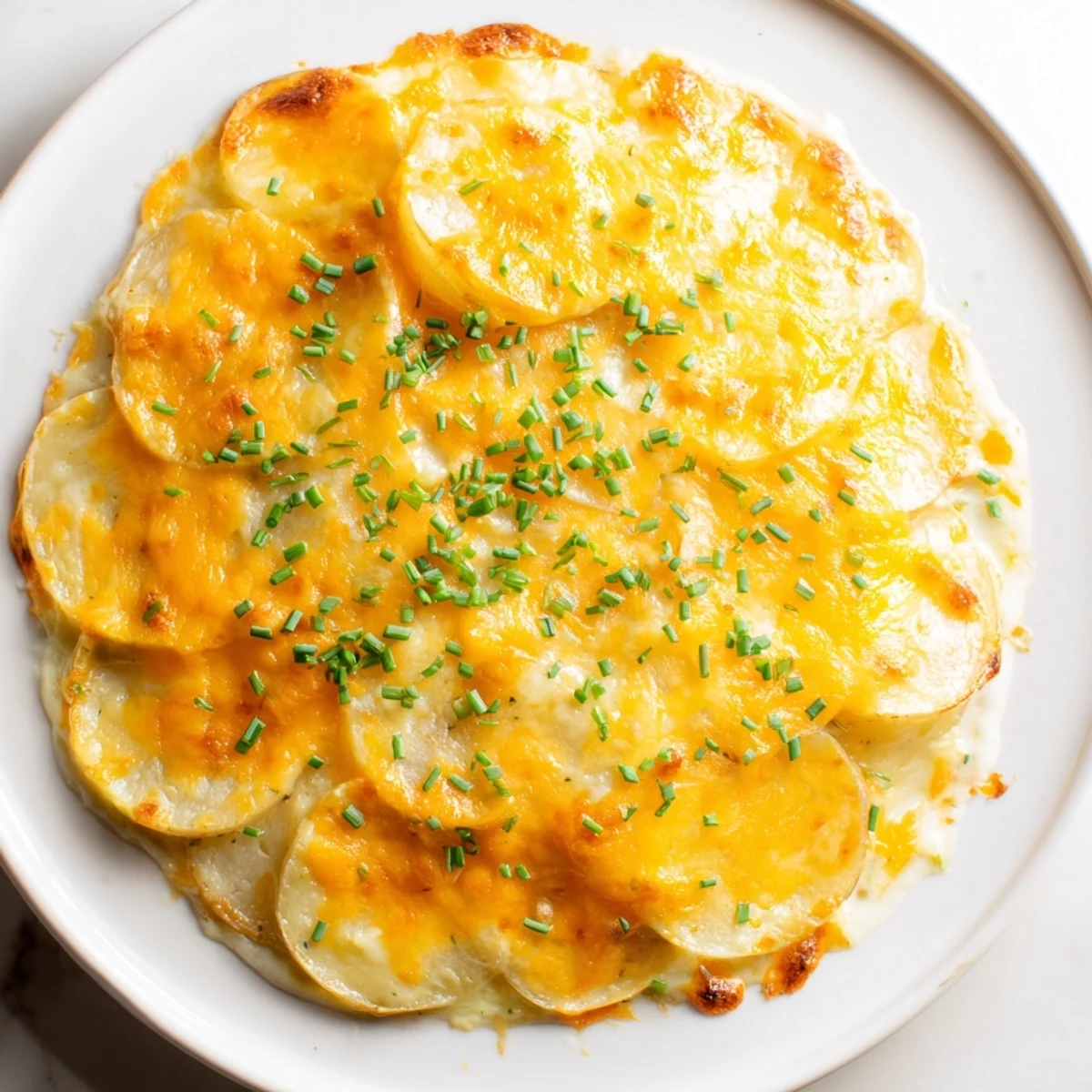
 Experience tender russet potato slices layered with sharp cheddar and Gruyère cheeses, gently baked in a rich cream and milk mixture seasoned with garlic, nutmeg, and freshly chopped herbs. This dish offers a warm, golden crust and a creamy interior, making it a perfect indulgent side that complements roasts or stands alone as comforting fare. Slow baking enhances flavor and texture for a deeply satisfying finish.
There's something about the smell of cream and cheese bubbling in the oven that stops everyone mid-conversation. I learned to make scalloped potatoes the winter my neighbor brought over a casserole dish after my family moved to a new house, and I've been chasing that same golden, creamy comfort ever since. The first time I made them myself, I sliced the potatoes too thick and they stayed a bit firm, but somehow that taught me more than any perfect batch could have. Now these potatoes are my go-to when I want to turn a simple dinner into something that feels like a celebration.
I remember making this for my sister's birthday dinner, and her partner—who usually doesn't say much about food—asked for seconds and wouldn't stop talking about the texture. That's when I realized scalloped potatoes aren't just a side dish; they're the reason people come back for more, the quiet star that makes everyone feel welcome.
Ingredients
- Russet potatoes (1.5 kg): Waxy potatoes fall apart, but russets hold their shape and develop a tender bite without turning to mush.
- Heavy cream and whole milk (2 cups and 1 cup): The combination gives you richness without being so heavy that the dish feels heavy on the stomach afterward.
- Sharp cheddar cheese (2 cups) and Gruyère (1 cup): Sharp cheddar brings tang and color; Gruyère adds warmth and complexity that makes this feel special.
- Butter (2 tbsp): A small amount is all you need to build your flavor base when the onion and garlic soften.
- Onion (1 medium, optional): If you use it, don't skip sautéing it first—raw onion tastes sharp and almost bitter by the time the potatoes finish baking.
- Garlic (2 cloves): Mince it fine so it dissolves into the cream and adds depth without any raw bite.
- Salt, pepper, and nutmeg: The nutmeg is quiet but essential—just a pinch transforms the sauce from simple to sophisticated.
Instructions
- Set the stage:
- Preheat your oven to 180°C and butter your baking dish so nothing sticks. Cold dishes tend to cool the potatoes as they bake, so a warm dish helps them cook more evenly.
- Build the flavor base:
- Melt butter gently and let the onion soften until it's almost translucent—this takes the raw edge away. Add garlic and listen for that moment when the kitchen smells alive, usually about one minute.
- Make the cream sauce:
- Pour in cream, milk, salt, pepper, and nutmeg, then heat it slowly until wisps of steam rise from the surface. Stop before it boils; boiling breaks down the proteins and can make the sauce grainy.
- Layer with intention:
- Arrange the first layer of potatoes slightly overlapping, then pour half the cream over top and sprinkle with half the cheese. This ensures every slice gets coated from the bottom up.
- Complete the stack:
- Add the remaining potatoes, then the rest of the cream and cheese. The top layer of cheese will turn golden and crispy where it touches the air.
- Bake low and slow:
- Cover with foil for the first 45 minutes so the potatoes steam and soften without the top burning. When you uncover it, the sauce should still be bubbling gently at the edges.
- Finish with golden edges:
- Bake uncovered for 15–20 minutes until the top is golden and the potatoes yield to a knife with no resistance. Letting it rest for 10 minutes before serving helps the sauce set just enough to stay creamy without being runny.
 Save to Pinterest
 The moment I stopped thinking of this as just a side dish and started treating it like the main event changed everything about how I cook it. Now I make it with intention, knowing that comfort food is about more than taste—it's about the care you put in and the warmth people feel when they taste it.
Why Cheese Matters Here
The combination of sharp cheddar and Gruyère might seem fussy, but it's the difference between a good dish and one people remember. Sharp cheddar alone can taste one-dimensional, while Gruyère adds an earthy sweetness that rounds everything out and makes the sauce taste less like cream and more like something magical.
Make Ahead Tips and Timing
You can assemble this dish completely in the morning, cover it tightly, and refrigerate it until dinnertime. Just add 10–15 minutes to the covered baking time since cold potatoes take longer to soften. This is a secret weapon when you're hosting and want to spend time with people instead of fussing in the kitchen.
Flavor Variations and Pairing Ideas
While the classic version is perfect on its own, small additions can shift the whole mood of the dish. A pinch of cayenne pepper adds a whisper of heat, smoked paprika brings a subtle depth that pairs beautifully with roast chicken, and fresh herbs stirred in just before serving add a bright contrast to all that richness.
- Try adding a handful of crispy bacon pieces or caramelized onions between layers for depth and texture.
- Substitute Gruyère with sharp Swiss cheese if that's what you have on hand—the dish will still be delicious.
- If your crowd loves herbs, mix some fresh thyme into the cream sauce itself for a more sophisticated flavor.
 Save to Pinterest
 This dish has taught me that some of the best meals are the ones that feel effortless to the people eating them, even if they took real care to make. That's the whole point of comfort food.
Recipe Questions & Answers
- → What type of potatoes work best for scalloped layers?
-
Russet potatoes are ideal due to their starchy texture, which softens well during baking while holding shape.
- → Can I substitute heavy cream with milk only?
-
Using milk alone will reduce richness; for best results, combine milk and cream to maintain creaminess.
- → How do I achieve a golden bubbly top layer?
-
Bake covered initially to cook potatoes, then uncover during final minutes to brown and bubble the cheese topping.
- → Are Gruyère and cheddar both necessary?
-
Combining sharp cheddar with Gruyère delivers a deeper, nuttier flavor and creamy melt, enhancing the dish’s texture.
- → Can I prepare scalloped potatoes ahead of time?
-
Yes, you can assemble the layers beforehand and refrigerate; bake just before serving for best texture.