
 Save to Pinterest
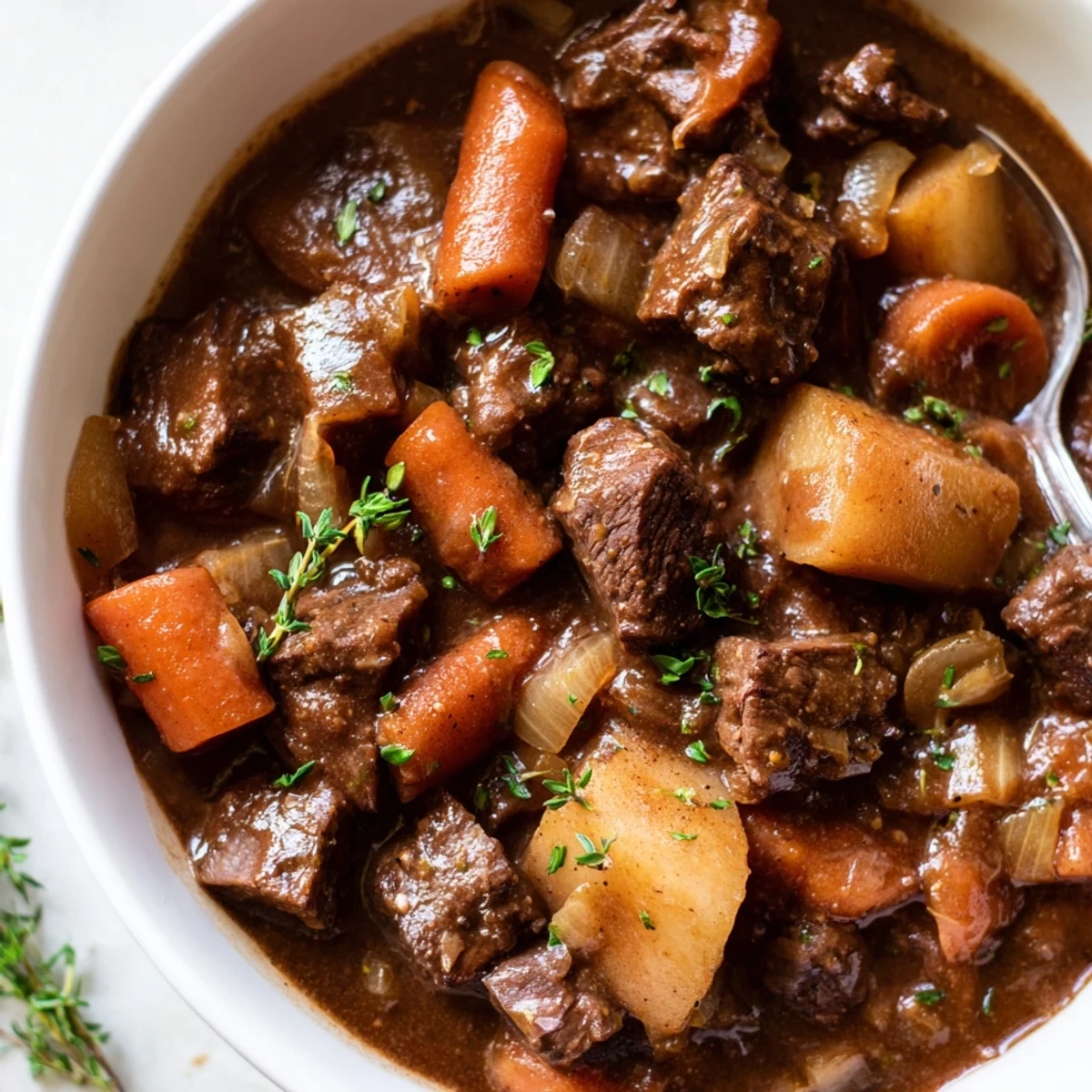
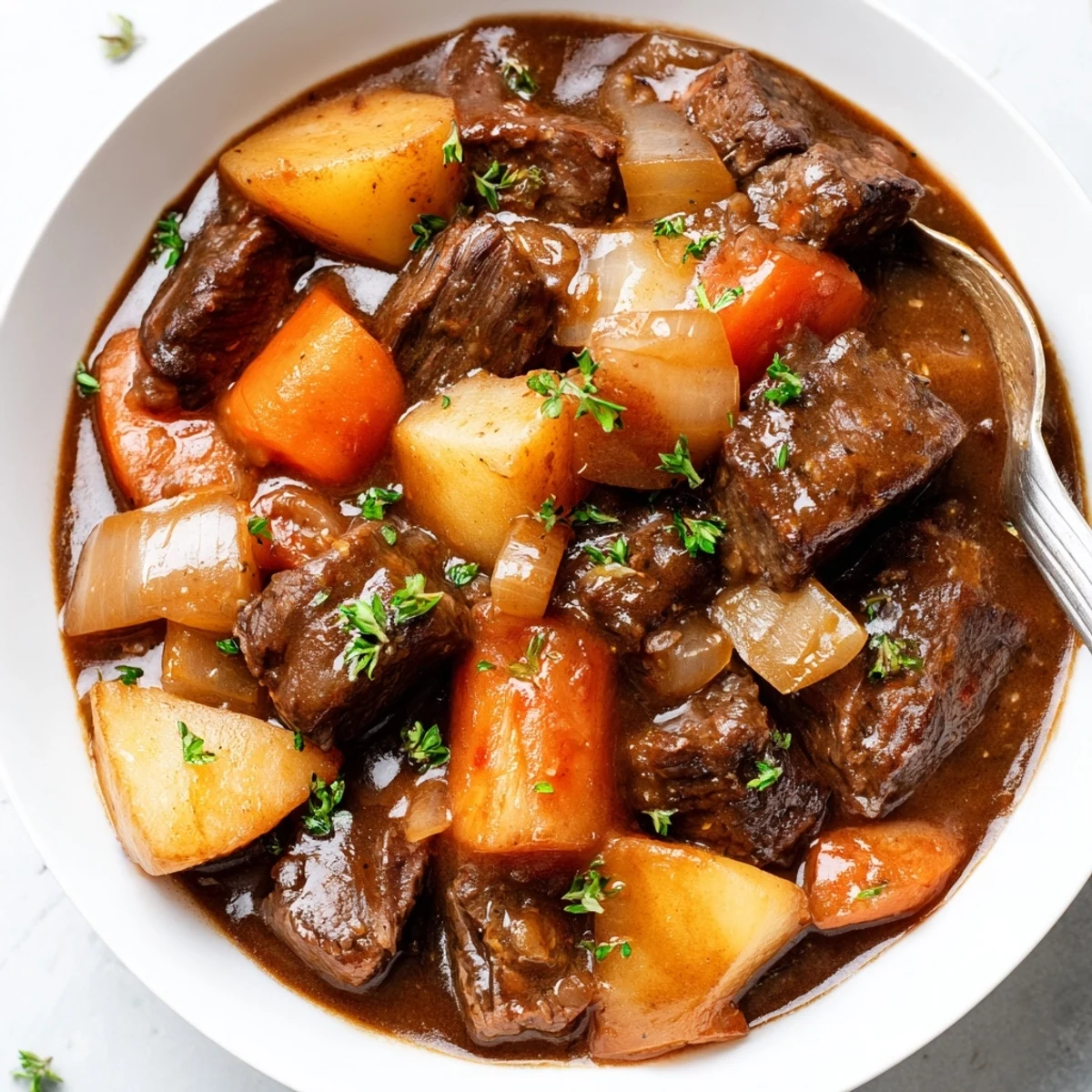
 This dish combines tender beef chunks with hearty root vegetables, simmered slowly in a malt beverage and rich beef stock, enhanced by thyme and bay leaves. The savory blend creates a comforting, alcohol-free dish perfect for colder days. Browned beef and sautéed aromatics develop deep flavors, while potatoes add body and texture. Ideal for family dinners, garnished with fresh parsley for a fragrant finish.
There's something about the smell of beef browning in a hot pot that stops me mid-thought every time. Years ago, I stood in a friend's kitchen on a rainy Dublin evening, watching her make a stew her grandmother had taught her, and I was mesmerized by how the kitchen filled with that deep, savory warmth. She couldn't use alcohol in hers anymore, but when she added that non-alcoholic stout, the whole thing came together in a way that felt like home. Now I make this version whenever the weather turns cold, and everyone asks for the same thing: another bowl.
I remember my sister coming home from the hospital after her son was born, exhausted and overwhelmed, and the only thing she wanted was a big bowl of stew that didn't require her to think about ingredients or worry. I made this one, and the way she just sat there with a spoon, not talking, just eating—that's when I knew this recipe was something special to hold onto.
Ingredients
- Beef chuck or stewing beef, 1 kg (2.2 lbs) in 1-inch cubes: This cut has enough marbling and connective tissue to turn silky and fall-apart tender during the long braise, which is the whole point.
- Non-alcoholic stout or malt beverage, 500 ml (2 cups): This is your flavor secret—it adds body and a subtle earthiness that you can't quite name but makes people lean in for another spoonful.
- Beef stock, 500 ml (2 cups): Low sodium lets you taste everything else and adjust seasoning as you go.
- Onions, 2 large, diced: They dissolve almost completely into the broth and deepen the entire stew's sweetness.
- Carrots, 3, peeled and sliced: Cut them thick enough so they hold their shape through two hours of simmering.
- Parsnips, 2, peeled and sliced: Their subtle sweetness balances the malty depth and makes this feel more interesting than a standard beef stew.
- Potatoes, 3, peeled and chunked: Add these late so they don't turn to mush, and they'll soak up all that rich broth.
- Celery stalks, 2, sliced: Often overlooked, but this is what gives the broth its backbone.
- Garlic, 3 cloves, minced: Add it early so it mellows and becomes part of the base rather than standing out.
- Tomato paste, 2 tbsp: A small amount cooked briefly adds umami depth without making it taste like tomato.
- Worcestershire sauce, 2 tbsp alcohol-free: This is crucial—it adds salty, tangy complexity that rounds out the whole dish.
- All-purpose flour, 3 tbsp: The coating on the beef helps it brown properly and thickens the broth as it cooks.
- Vegetable oil, 3 tbsp: Use enough to get a proper sear on the beef; this is where the flavor begins.
- Fresh thyme, 2 tsp (or 1 tsp dried): Thyme loves beef and malty flavors, and fresh is brighter than dried if you have it.
- Bay leaves, 2: They drift through the stew and you remove them at the end, but they've already done their work.
- Salt and black pepper: Season the beef before browning, then taste and adjust after everything's cooked.
- Fresh parsley, chopped, for garnish: A handful at the end adds a bright, fresh note that cuts through the richness.
Instructions
- Prepare and coat the beef:
- Pat your beef cubes completely dry with paper towels—this is what lets them brown instead of steam. Toss them with flour, salt, and pepper in a bowl until they're evenly coated.
- Brown the beef in batches:
- Get your pot hot with oil, then add beef in a single layer—don't crowd it or it won't brown properly. Let each batch sit undisturbed for a few minutes until the bottom is golden, then turn and repeat. This takes patience, but this is where your flavor comes from.
- Build the flavor base:
- In the same pot with all those browned bits stuck to the bottom, add your diced onions, carrots, parsnips, celery, and garlic. Sauté for five minutes, stirring occasionally, and you'll notice the pot starts smelling like a proper kitchen. Add tomato paste and let it cook for just one minute.
- Combine everything and simmer:
- Return the beef to the pot, then pour in the non-alcoholic stout and beef stock, scraping up any stubborn browned bits from the bottom. Add Worcestershire sauce, thyme, and bay leaves, stir everything together, and bring it to a gentle simmer. Cover and let it cook low and slow for an hour and a half, stirring occasionally so nothing sticks to the bottom.
- Add the potatoes and finish cooking:
- After an hour and a half, the beef should be getting tender—test it with a fork. Add your potato chunks, cover again, and simmer for another forty minutes or until the beef falls apart easily and the potatoes are completely soft but not falling apart.
- Taste and serve:
- Remove the bay leaves, then taste the broth. Add more salt and pepper if you need it, and remember that the parsley garnish will add brightness at the end. Ladle it into bowls and top with a handful of chopped fresh parsley.
 Save to Pinterest
 My father, who was never one for cooking, once tasted this stew and asked for the recipe—not to make it himself, but to know what made it different. There's a moment when you realize that food isn't about impressing anyone; it's about making people feel taken care of.
The Magic of Malt Without Alcohol
The non-alcoholic stout does something that beef stock alone cannot—it adds complexity, a subtle sweetness, and a fullness that makes people pause and wonder what you did differently. I've made this stew with regular beef stock, and while it's still good, it tastes flat compared to the version with malt. The alcohol burns off in regular stout anyway, so using a non-alcoholic version gives you all the flavor and none of the worry.
Making It Your Own
I've made this with turnips instead of parsnips when that's what was in the vegetable bin, and it's just as good. I've also mashed a few potato chunks into the broth toward the end to make it thicker and more luxurious. The bones of the recipe are sturdy enough to handle small changes, and that's what makes it perfect for a weeknight when you're working with what you have.
Serving and Storing
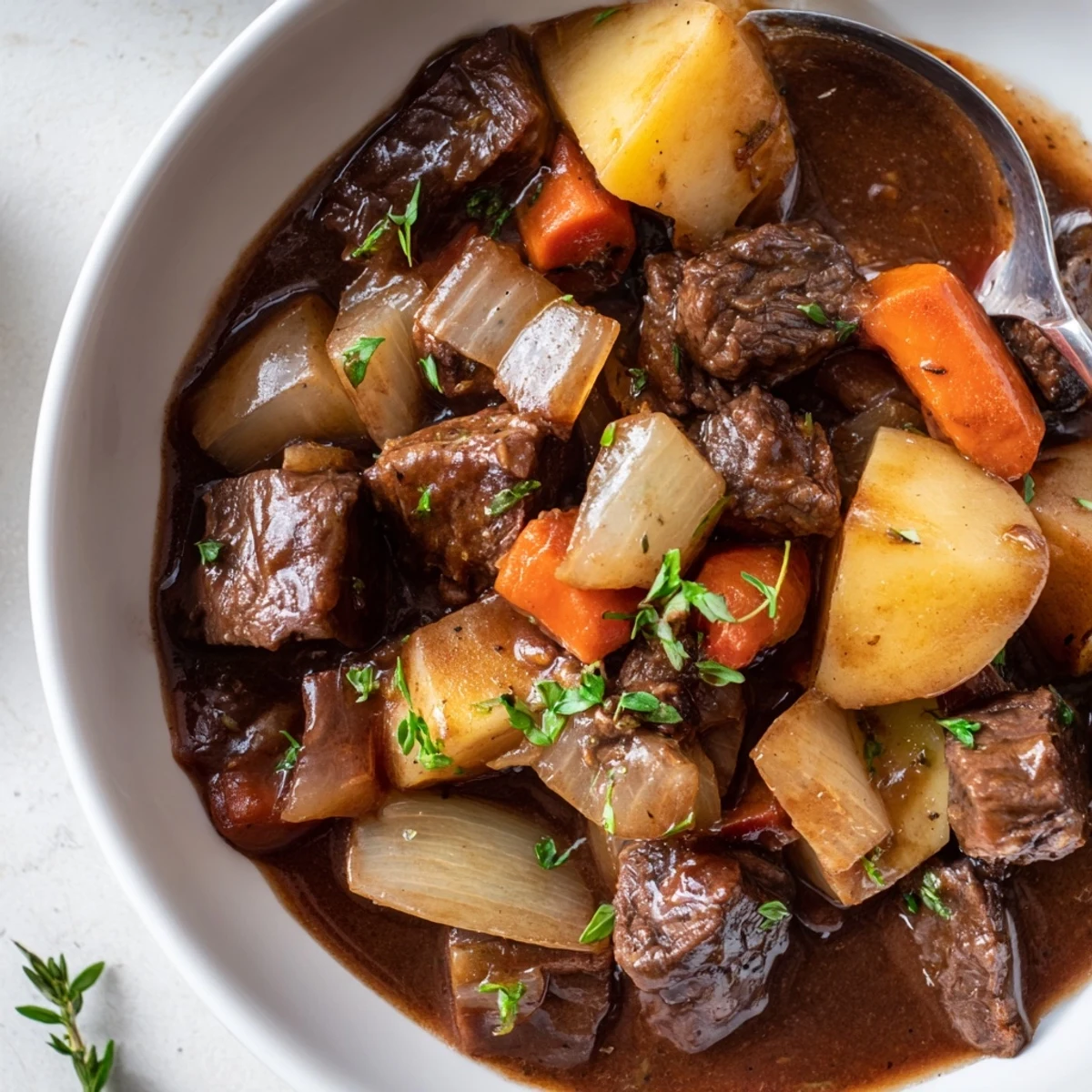
Serve this stew in wide, shallow bowls so people can get a piece of tender beef and vegetables with every spoonful of broth. A chunk of crusty bread on the side is not negotiable—it's for soaking up every last drop. The stew keeps beautifully in the fridge for four or five days, and it actually tastes better the next day once the flavors have had time to get to know each other.
- Reheat gently over medium heat, stirring occasionally, and add a splash of stock or water if it's thickened too much.
- Freeze it in portions for up to three months, and you'll have instant comfort food on a rough evening.
- If you want to serve it with a green salad, dress the salad simply—lemon and olive oil—so it doesn't compete with the stew's deep, malty richness.
 Save to Pinterest
 This stew has become my answer to almost any occasion when people need feeding—a new job, a difficult day, a celebration. It's the kind of food that reminds you that the best meals are the ones made with intention.
Recipe Questions & Answers
- → What cut of beef is best for this stew?
-
Beef chuck or stewing beef cut into 1-inch cubes work best for tender, flavorful results after slow cooking.
- → Can I substitute the non-alcoholic stout with another liquid?
-
Yes, you can use a malt-based beverage or additional beef stock to maintain the rich, malty flavor without alcohol.
- → How long should I simmer the stew for optimal tenderness?
-
Simmer the stew covered on low heat for about 2 hours, adding potatoes in the last 40 minutes for softness.
- → What vegetables complement the beef and malty broth?
-
Onions, carrots, parsnips, celery, garlic, and potatoes create a balanced, hearty vegetable mix that enhances the dish’s depth.
- → How can I thicken the stew if desired?
-
For a thicker consistency, mash a few potato chunks into the broth before serving to add natural body.
- → Are there any recommended garnishes for serving?
-
Fresh chopped parsley adds a bright, fresh finish that complements the rich flavors of the stew.