
 Save to Pinterest
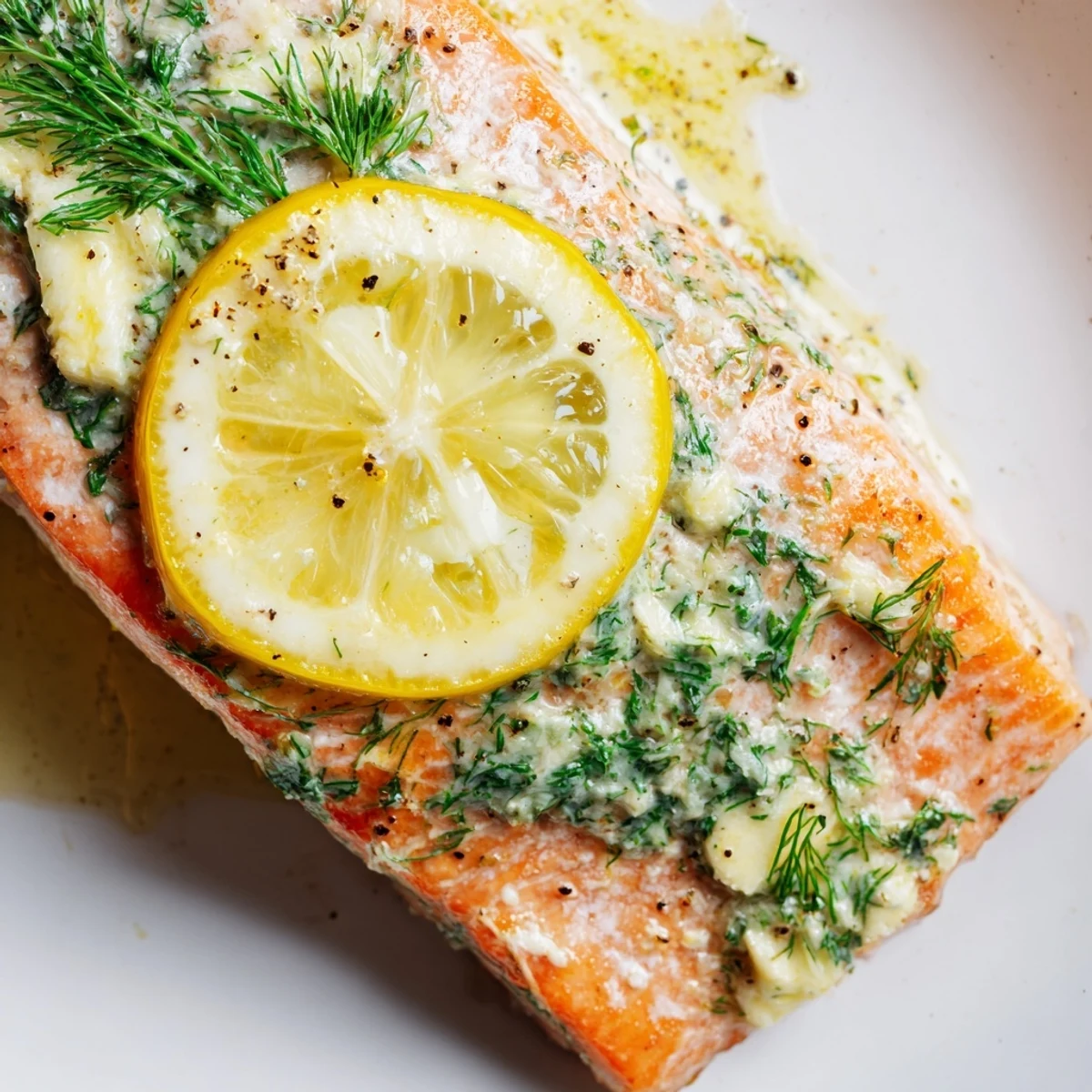
 Delight in tender salmon fillets gently baked and finished with a luscious dill butter blend. The combination of fresh dill, lemon zest, and garlic in the butter enhances the natural flavors of the fish, creating an aromatic and elegant dish. Ready in just 25 minutes, this method offers a simple yet impressive way to prepare salmon, perfect for a quick dinner with a sophisticated touch.
One weeknight, I pulled a salmon fillet from the freezer with zero dinner plans and thirty minutes on the clock. I remembered my neighbor mentioning how she keeps softened butter with fresh herbs ready for moments exactly like this, so I decided to build a whole dinner around that idea. The kitchen filled with the smell of lemon and dill as the butter melted into the hot fish, and somehow this completely improvised meal became the thing my family asks for most.
I made this for my boss on a Friday when she mentioned being tired of complicated recipes, and watching her close her eyes after the first bite while butter dripped down her chin told me everything. She asked for the recipe before dessert, which basically never happens. Now whenever I'm invited to a dinner party and asked to bring something, this is my answer.
Ingredients
- Salmon fillets (4 pieces, 6 oz each): The quality of your salmon matters here since there's nowhere to hide—look for fillets that smell briny and sweet, not fishy, and choose wild-caught when you can.
- Olive oil (1 tbsp): This is just enough to keep the fish from sticking and help it brown slightly; you don't need a heavy hand here.
- Kosher salt and freshly ground black pepper: Kosher salt granules distribute more evenly than table salt, and freshly cracked pepper makes a real difference in flavor.
- Fresh lemon (1 whole, sliced): The acidity cuts through the richness of the salmon and butter—use a lemon that feels heavy for its size, which means more juice.
- Unsalted butter (4 tbsp, softened): Softened butter means you can mix it easily without lumps, and unsalted lets you control the final seasoning.
- Fresh dill (2 tbsp, finely chopped): Fresh dill is non-negotiable here; dried dill tastes like hay by comparison and will disappoint you.
- Lemon zest (1 tsp): Use a microplane to get fine zest that distributes evenly through the butter and adds brightness without bitterness.
- Garlic clove (1 small, minced): One clove is all you need—it's there to whisper in the background, not announce itself.
Instructions
- Heat your oven and prep your workspace:
- Set the oven to 400°F and line your baking sheet with parchment paper so cleanup later is effortless. Having everything ready before you start means you can move at the salmon's pace, not the other way around.
- Dry and arrange your salmon:
- Pat each fillet completely dry with paper towels—this step actually matters because it helps the fish cook evenly instead of steaming. Place them on the prepared sheet with space between each one so heat circulates.
- Season simply and add lemon:
- A light drizzle of olive oil, a pinch of salt and pepper on each fillet, and then lay a lemon slice on top. This is the moment where less is genuinely more; you're letting the salmon speak for itself.
- Bake until just cooked through:
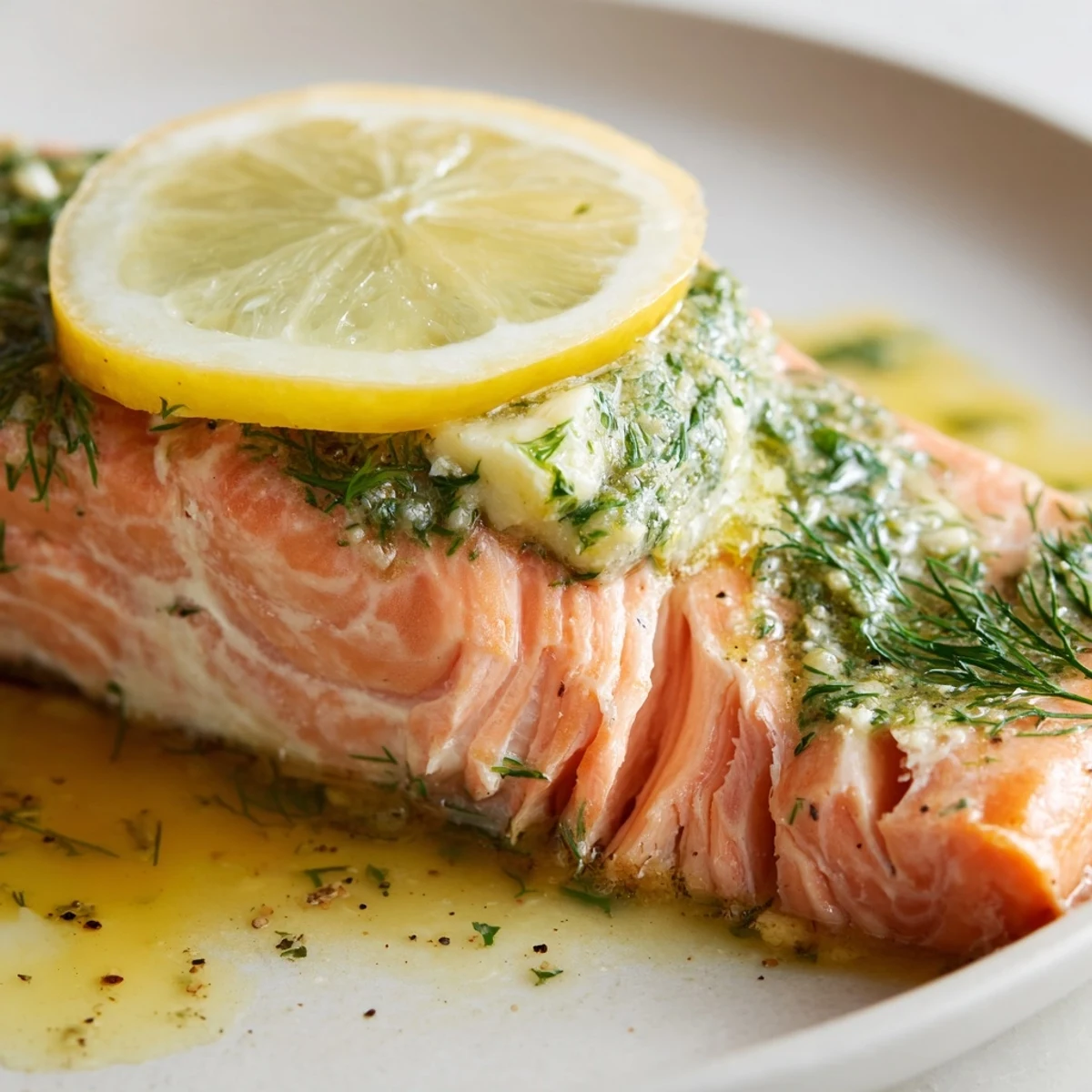
- Twelve to fifteen minutes is the window—check at twelve by pressing gently with your fork to see if the flesh flakes. Overcooked salmon is dry salmon, and you'll know it the second you taste it, so pull it out when it still looks ever so slightly underdone.
- Make the dill butter while fish cooks:
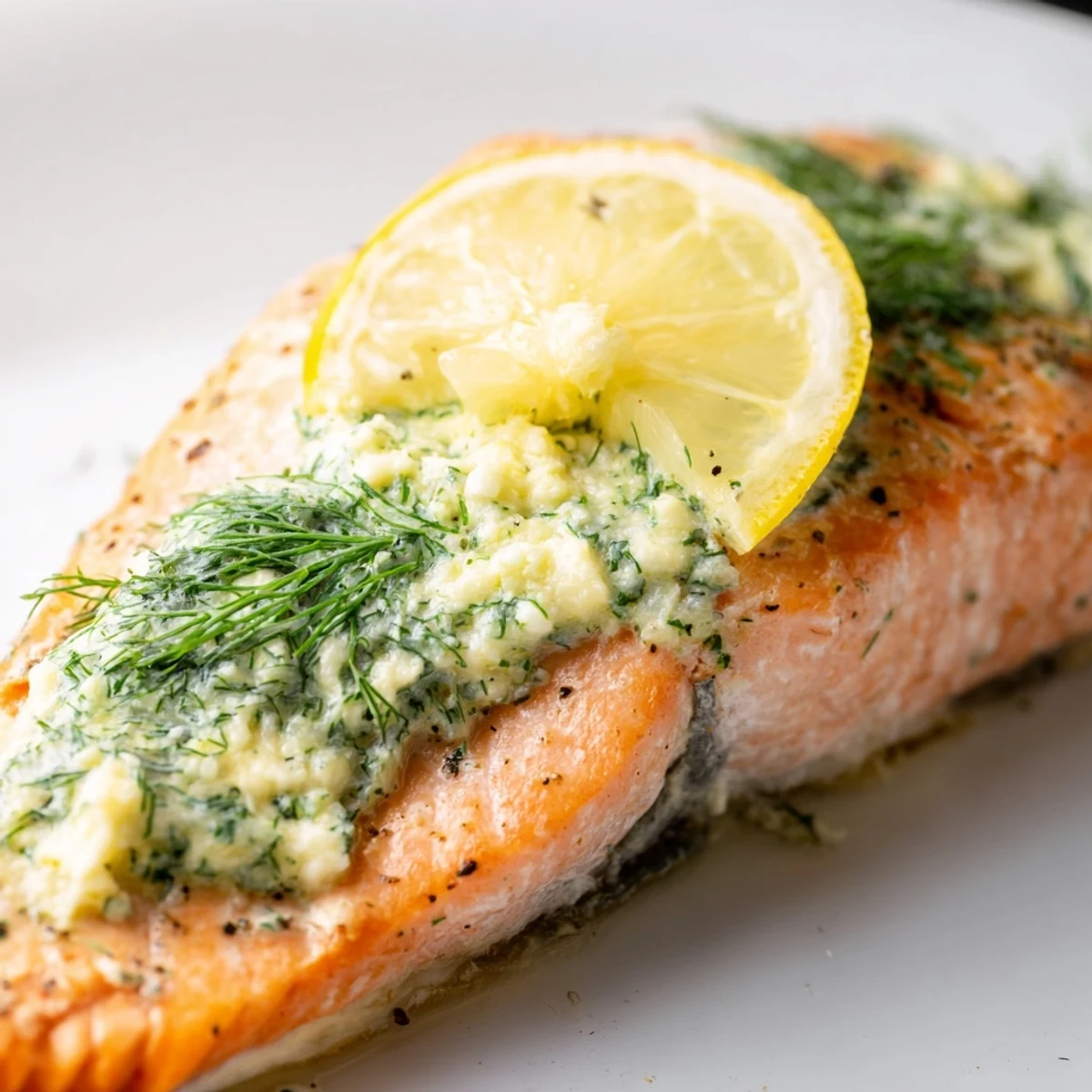
- In a small bowl, mash the softened butter with fresh dill, lemon zest, minced garlic, and a tiny pinch of salt until everything is combined into a bright green paste. This is your secret weapon, and it takes maybe two minutes.
- Top and serve immediately:
- The moment the salmon comes out of the oven, place a generous spoonful of dill butter on top of each hot fillet and watch it melt into the crevices and create a glossy sauce. Serve right away while the butter is still melting and the fish is still warm.
 Save to Pinterest
 My daughter, who claims to hate fish, ate two bites of this and then polished off an entire fillet without commentary. That silence, broken only by the occasional clink of fork on plate, told me this had crossed from dinner into something worth repeating. Now she asks if there's salmon for dinner in the tone of voice most kids use for birthday cake.
The Magic of Dill Butter
The dill butter is where this dish transcends simple weeknight cooking and becomes something elegant. Soft butter absorbs the brightness of fresh herbs and lemon zest, transforming into something that tastes both sophisticated and deeply comforting. The garlic mingles quietly with the dill without overpowering it, creating a flavor that feels intentional but never fussy. If you've ever felt intimidated by adding a sauce to salmon, this is your permission to stop—this is not hard, and it tastes like you know what you're doing.
Sides That Actually Work
Roasted asparagus with a tiny squeeze of fresh lemon is the first thing that comes to mind, or creamy mashed potatoes if you want something heartier. A simple green salad with vinaigrette cuts through the richness, and honestly, sliced avocado alongside the salmon is never wrong. I've served this with steamed broccoli on nights when I'm tired, and nobody complained.
Make It Your Own
Once you understand how this works, you can play with the dill butter endlessly. Fresh tarragon and a touch of Dijon mustard becomes something French; cilantro and lime zest takes it somewhere completely different; even chives and a pinch of paprika create their own vibe.
- If Greek yogurt appeals to you, swap half the butter for it to lighten the dish without losing creaminess.
- Frozen salmon works perfectly here as long as you thaw it completely and pat it very dry.
- This scales beautifully—make the dill butter once and you can cook for two or for eight with the same approach.
 Save to Pinterest
 This is the kind of meal that feels like celebration without requiring you to spend your evening in the kitchen. It's beautiful enough for company and simple enough for a quiet night when you just want something delicious and honest.
Recipe Questions & Answers
- → What type of salmon is best for baking?
-
Skinless fillets work well for even cooking and easy serving. Fresh or properly thawed frozen salmon both yield tender results.
- → How is the dill butter prepared?
-
Softened unsalted butter is mixed with finely chopped fresh dill, lemon zest, minced garlic, and a pinch of salt until smooth and aromatic.
- → Can I substitute any ingredients to lighten the dish?
-
Yes, replacing half the butter with Greek yogurt adds creaminess with less fat while retaining flavor.
- → What is the ideal baking temperature and time?
-
Baking at 400°F (200°C) for 12-15 minutes ensures the salmon cooks through and flakes easily without drying out.
- → What sides pair well with this dish?
-
Steamed asparagus, roasted potatoes, or a crisp white wine like Sauvignon Blanc complement the flavors beautifully.